Introduction to Professional Name Cards
In the landscape of modern business communication, professional name cards serve as a vital tool for establishing initial connections and fostering lasting impressions. These small, tangible representations of a brand or individual encapsulate essential contact information, corporate identity, and sometimes even a glimpse into the company's ethos. A well-designed name card extends beyond mere contact details; it embodies professionalism, facilitates networking, and reinforces brand recognition.
Understanding the significance of a professional name card begins with recognizing its purpose. It acts as a personal ambassador in face-to-face meetings, conferences, or social gatherings, enabling seamless exchange of information. An effectively crafted card not only ensures the recipient retains your details but also leaves an impression of competence and attention to detail. This impression can open doors to new business opportunities, partnerships, and collaborations.
Furthermore, the importance of a professional name card extends to its role in branding consistency. When designed with this in mind, it aligns with your corporate image, including logo placement, color scheme, and typography, thus reinforcing your brand identity every time it is handed over. The tangible nature of a quality name card also fosters trust and credibility, qualities that are fundamental in maintaining professional relationships.
In an era increasingly dominated by digital communication channels, the enduring relevance of physical name cards highlights their utility in face-to-face interactions. They act as a bridge between digital profiles and real-world engagement, ensuring your contact details are always at hand. The strategic use of professional name cards in networking events underscores their role as an essential element of a comprehensive marketing arsenal.
Effective design and quality production are crucial to maximizing the impact of your name cards. Choices in materials, finishes, and customization directly influence how your card is perceived. As businesses continue to evolve, the trend toward unique, personalized name cards reflects the need to stand out in a crowded marketplace. Properly crafted, a professional name card is not just a simple contact exchange but a strategic asset that underpins your professional presence and credibility.
Materials and Finishes for Name Cards
Choosing the right materials and finishes for professional name cards plays a vital role in conveying your brand’s quality and attention to detail. The material selection influences not only the card's durability but also its tactile feel, which can leave a lasting impression on recipients.
Commonly used materials include high-grade cardstock, which offers a sturdy and premium feel. For additional sophistication, options like matte, gloss, or matte-laminate finishes can be applied. Matte finishes provide a non-reflective surface, ideal for minimalistic designs and improved readability, while gloss finishes enhance color vibrancy and add a sleek appearance.
Beyond standard paper, specialty materials such as textured or linen cardstock introduce a tactile element that differentiates your cards from typical ones. Ferrous or metallic finishes, including foil stamping or embossed metallic effects, add a luxurious touch suitable for high-end brands or special editions.
When selecting finishes, gloss and matte are the most popular for their respective aesthetics. A matte finish reduces glare, making it easier to read text and view detailed designs, while gloss finishes amplify colors, making graphics stand out vividly. Special finishes like soft-touch coatings can further elevate the card’s tactile experience, making it more memorable. The application of spot UV coating selectively highlights logos or key design elements, adding a layer of refinement that communicates attention to detail. Additionally, edge painting or foiling provides striking visual accents and can be customized to match your brand’s color palette. Overall, the combination of material and finish should align with your company's branding goals, target audience, and the message you wish to communicate through your professional name card.
Size, Shape, and Customization Options
Standard name card dimensions typically measure 3.5 by 2 inches, striking a balance between portability and sufficient space for information. However, exploring alternative sizes and shapes provides avenues for brand differentiation.
Rounded corners are a simple yet effective way to soften the appearance of traditional cards, reducing wear and tear over time. Die-cut shapes, such as circles, squares, or custom contours that mirror your logo or brand motif, can make your card more distinctive.
Customization options extend beyond shape to include textured edges, foldable designs, or integrated elements like pop-ups or layered components. These features can transform a standard card into a tactile experience, reinforcing your brand’s innovative or premium qualities.
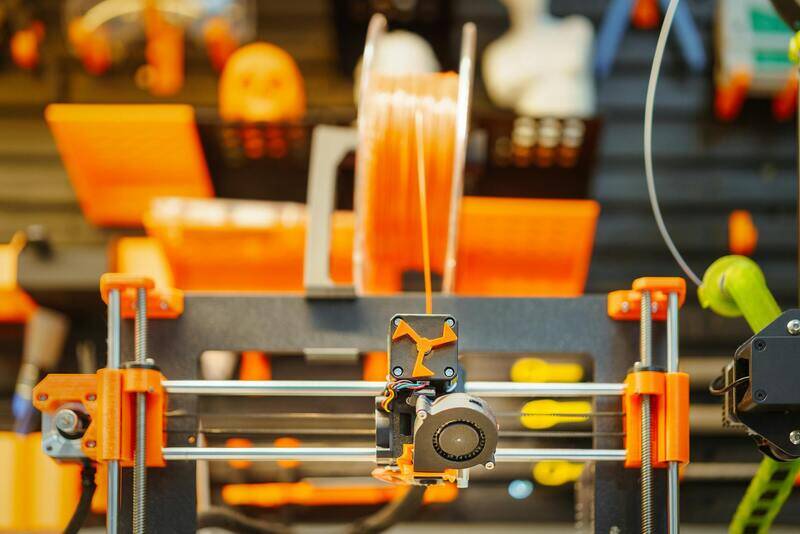
Implementing eye-catching shapes and thoughtful customization reflects a strategic approach to branding. For instance, a rounded-edge card may feel more approachable, while a uniquely shaped card can visually communicate a specific industry or purpose. Incorporating features such as foldable sections or embedded QR codes not only enhances aesthetic appeal but also adds interactive components that connect physical and digital marketing efforts seamlessly. The decision regarding size, shape, and customization should support your professional identity while maintaining practicality for efficient storage and distribution.
Printing Techniques and Quality Considerations
Efficient printing techniques are critical to achieving precise colors, crisp images, and durable results in professional name cards. Digital printing offers high-quality output with quick turnaround times, making it ideal for small orders and urgent needs.
Offset printing, on the other hand, is preferable for large-volume runs, delivering consistent quality and color accuracy at a lower cost per unit. For special effects like foil stamping, embossing, or letterpress, skilled artisans employ advanced techniques that add texture and visual richness.
To ensure quality, it is essential to verify color matching, registration accuracy, and the firmness of finishes. Sampling a proof before the full run helps identify potential issues and ensures the final product meets the desired standards.

High-quality printing combined with precise color calibration and finishing details results in a professional product that embodies your brand’s ethos. Considerations such as double-sided printing, textured effects, or matte versus gloss coatings can further elevate the overall appearance. By investing in advanced printing methods and quality control, your name cards will withstand handling, leaving a durable and impressive impression on those who receive them.
Choosing the Right Printing Method for Professional Name Cards
When producing high-caliber professional name cards, selecting an appropriate printing method is fundamental to achieving a refined and lasting impression. Digital printing is widely favored for its versatility, rapid turnaround, and ability to handle a variety of design complexities. It is particularly suitable for smaller batches or designs that require frequent updates, offering consistent color reproduction and crisp details. This method excels in delivering vibrant hues and fine lines with minimal setup costs, making it a practical choice for personalized or customized name cards.

Offset printing remains a preferred option for bulk orders, providing superior color fidelity and sharp image quality in large quantities. Its cost-effectiveness at scale allows businesses to produce extensive sets of name cards without sacrificing detail or consistency. Offset presses ensure that each card maintains the same high standards, which is vital for corporate branding where uniformity is key. The process involves transferring ink from a plate to a rubber blanket and then onto the printing surface, resulting in rich, vivid colors and smooth finishes.
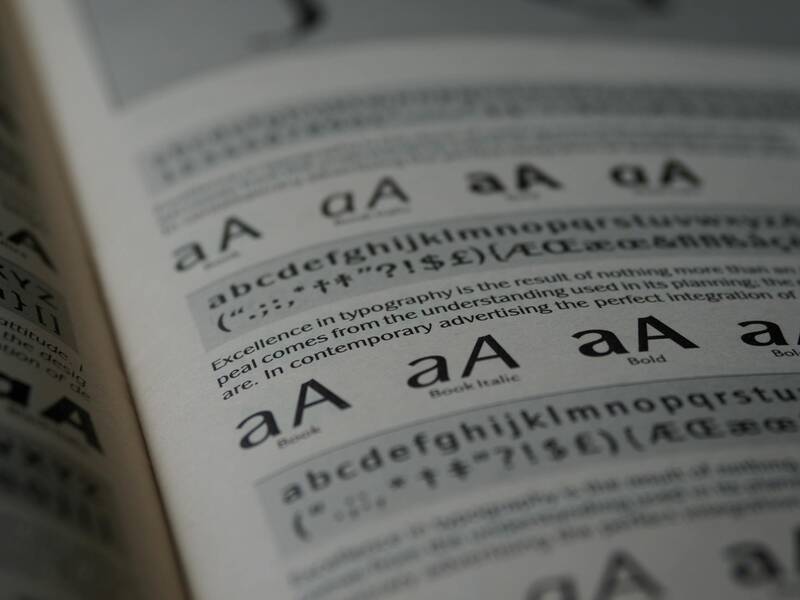
Special effects such as foil stamping, embossing, or letterpress are incorporated through manual or semi-automated techniques that add tactile and visual elements to the name cards. Foil stamping applies metallic or colored foil to specific areas for a luxurious appearance, while embossing creates a raised texture that enhances tactile engagement. These embellishments are performed by skilled artisans who meticulously align and press these effects onto the card surface, elevating the overall aesthetic and making the card stand out in professional settings.
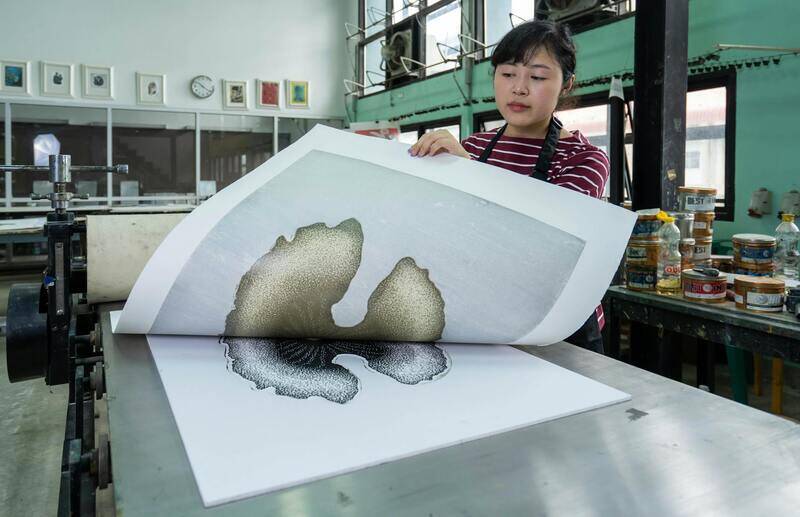
Ensuring the quality of printed name cards involves rigorous quality control processes. Verifying color matches through standardized calibration, checking registration accuracy, and inspecting finishes for smoothness and durability are all critical steps. Sampling a proof prior to the full run allows for adjustments, preventing issues that could diminish the final product’s quality. Attention to detail during the printing process guarantees a product that not only looks exquisite but also withstands regular handling.
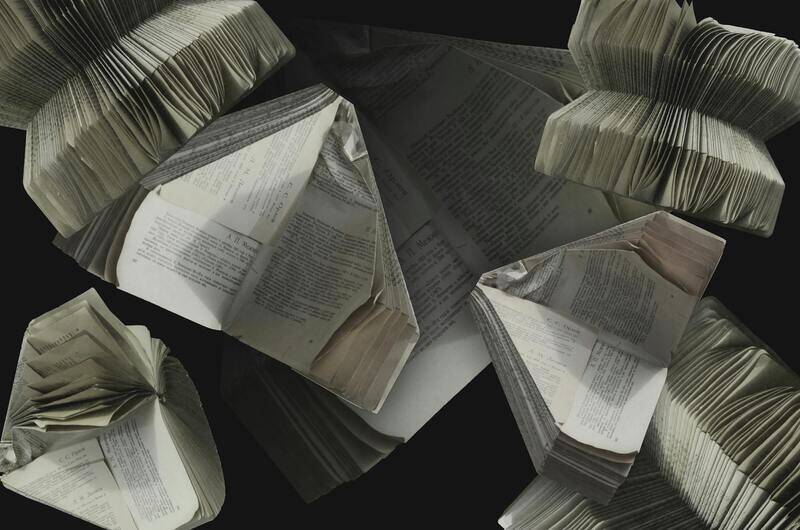
Incorporating advanced printing techniques through capable professionals and reliable printing facilities results in a professional-grade name card that effectively communicates your brand identity. Properly executed, these methods produce a durable, visually captivating product that leaves a strong impression, emphasizing your commitment to quality and detail in every aspect of your presentation materials.
Size, Shape, and Customization Options
When selecting a professional name card, the size and shape play a critical role in making a memorable impression. Standard dimensions typically adhere to international card sizes, often measuring 3.5 x 2 inches, which conveniently fit wallets and cardholders. These conventional sizes ensure ease of distribution and compatibility with existing organizational tools. However, for those seeking to stand out, custom sizes and shapes offer a unique visual impact that aligns with personal or corporate branding.

Custom shapes—such as rounded edges, oval, or uniquely die-cut forms—bring a distinctive aesthetic that immediately captures attention. Die-cutting allows for intricate shapes or cut-outs that reflect your industry or personal theme, such as geometric patterns, silhouettes, or thematic symbols. These options not only enhance visual appeal but also provide tactile differentiation, making your card easier to remember and harder to misplace.
Beyond shape, customization extends to surface finishes and materials. Matte, gloss, or textured finishes can complement different design styles and purposes. Combining unique shapes with tailored finishes helps create a cohesive brand message, showcasing attention to detail and a commitment to quality. Such personalized options are particularly suitable for brands aiming to convey creativity, innovation, and professionalism in every element of their presentation.
Printing Techniques and Quality Considerations
The choice of printing technique significantly influences the durability, appearance, and perceived value of professional name cards. Offset printing remains a dominant method for large quantities, providing consistent color reproduction and sharp detail, ideal for intricate designs with multiple colors. Digital printing offers advantages for small runs or personalized cards, delivering quick turnaround times without compromising quality.

Special printing methods such as embossing, foil stamping, and spot UV coating add a tactile and visual dimension that enhances the card's sophistication. Embossing creates a raised effect on selected elements like logos or text, offering a premium feel. Foil stamping introduces metallic accents in gold, silver, or other colors, elevating the card's aesthetic appeal. Spot UV coating adds a glossy highlight to certain areas, providing contrast and depth.
Ensuring high-quality results involves strict adherence to printing standards. Color calibration ensures that the printed hues match the intended palette, while precise registration guarantees that multiple color layers align perfectly. Inspection of the finished product for smooth finishes and crisp details confirms durability and visual appeal. Working with experienced printing professionals and reputable facilities assures that your name cards meet professional standards, projecting reliability and excellence.
Size, Shape, and Customization Options
Choosing the right size and shape for your professional name card is crucial in making a memorable impression. While the standard dimensions typically measure 3.5 x 2 inches, many companies now explore various sizes and unique shapes to stand out in a competitive environment. Custom-sized cards can reflect a brand’s identity more effectively, aligning with specific industry standards or creative branding strategies.
In addition to size, the shape of the card plays a significant role in its visual impact. Conventional rectangular cards are still popular, but rounded corners, oval, square, or die-cut shapes tailored to the company's theme or logo can bring an extra layer of sophistication and personality. Die-cutting allows for intricate shapes that directly relate to the brand, such as a product silhouette, a logo outline, or thematic elements, providing a distinctive tactile and visual experience.

Customization extends beyond products' physical aspects. Incorporating unique design elements—such as foil accents, embossed details, or textured finishes—can significantly boost the perceived value of the card. Specialty finishes like matte, gloss, or soft-touch coatings not only enhance aesthetics but also add durability, ensuring your card withstands frequent handling.
Advanced Customization Techniques
- Embossing and Debossing: Creates raised or recessed effects, adding tactile dimension to logos or contact information.
- Foil Stamping: Uses metallic foils in gold, silver, or vibrant colors to highlight important features, conveying luxury and professionalism.
- Spot UV Coating: Applies a glossy finish to specific areas, emphasizing particular design elements or text for visual contrast.
- Textured Finishes: Techniques such as linen, leather grain, or felt textures provide unique tactile feedback that differentiates your card from others.
By integrating these customization options thoughtfully, businesses can construct a name card that not only shares contact details but also encapsulates their brand essence, fostering stronger professional relationships and lasting impressions.

Advanced Techniques for Enhancing Professional Name Cards
Utilizing Embossing and Foil Stamping to Elevate Your Name Card
Embedding sophisticated textures and metallic accents through embossing and foil stamping significantly boosts the visual appeal and tactile experience of a professional name card. Embossing raises specific design elements—such as logos, company names, or contact information—creating a three-dimensional effect that captures attention instantly. Conversely, debossing introduces recessed details, offering a subtle yet impactful differentiation for your branding.

Foil stamping introduces a layer of metallic sheen that reflects light, drawing focus to key components like your logo or name. Gold, silver, and vibrant hues are common choices, each conveying a different tone of professionalism and style. When strategically combined with embossing, foil stamping brings a luxurious feel, making your card stand out in a crowded networking environment.
Spot UV Coating and Textured Finishes for Additional Impact
Spot UV coating complements embossing and foil stamping by applying a high-gloss finish to select areas—be it text, icons, or decorative elements—creating a sharp contrast with matte or textured surfaces. This technique enhances readability and visual hierarchy, ensuring vital information captures attention.
Complementing visual techniques, textured finishes such as linen, leather grain, or felt add a tangible quality that communicates quality and exclusivity. These finishes not only distinguish your name card but also improve its durability, resisting wear and tear over time.
Integrating Custom Die-Cut Shapes and Unique Design Elements
Expanding beyond traditional rectangular shapes, custom die-cutting can tailor your name card’s silhouette to mirror your brand identity—be it a product shape, a logo outline, or an abstract form. This strategic design choice elevates brand recognition and leaves a memorable impression.
Combining die-cut shapes with overlaying textures, foil accents, and embossed details creates a multi-sensory experience. These highly curated features reflect a commitment to quality and professionalism, reinforcing your corporate image.
Considerations for Printing Quality and Material Selection
Achieving high-quality results begins with selecting premium materials. Thick cardstock with smooth or textured finishes provides a sturdy base that supports detailed embossing and foil stamping. Special coatings — matte, gloss, or soft-touch — serve both aesthetic and protective roles, prolonging the lifespan of your card.
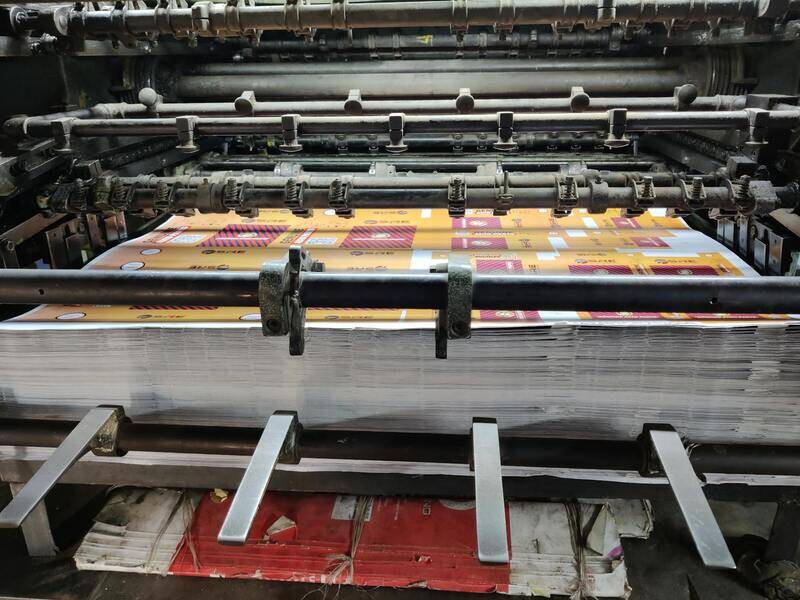
Precise printing techniques, such as offset or digital printing, paired with advanced die-cutting equipment, ensure sharp lines, accurate registration, and consistent finishes. When properly executed, these details reinforce your professional image and help foster trust during initial interactions.
Choosing Legitimate and Reliable Printing Methods for Your Professional Name Card
When it comes to producing your professional name card, selecting the right printing method is crucial to ensure a high-quality, durable, and visually appealing product. Relying on established printing technologies not only guarantees consistency but also safeguards your investment in branding materials. There are several legitimate techniques widely recognized in the industry that provide professional results, each with their own advantages depending on your specific design needs and budget.
Official Printing Technologies to Consider
- Offset Printing: This traditional method is renowned for its exceptional color accuracy, sharp details, and cost-effectiveness when producing large quantities. Offset printing involves transferring ink from a plate to a rubber blanket, then onto the printing surface. It offers vibrant color reproduction and is suitable for complex designs with multiple colors or gradients.
- Digital Printing: A versatile and fast method well-suited for small to medium print runs. It employs digital files directly onto the printing medium, enabling quick turnaround and easy customization. Digital printing provides high-resolution images and is ideal for personalized or variable data applications.
- Letterpress and Embossing: For adding tactile dimension to your name card, letterpress and embossing techniques are often used, requiring specialized printing equipment. These are considered traditional yet premium methods that impart a sense of craftsmanship and exclusivity.
- UV Coating and Spot UV Printing: These coatings add a glossy finish on specific areas, emphasizing logos or key design elements. This method not only enhances visual appeal but also provides additional protection against scratches and wear.
Material Selection and Considerations
Authentic and reputable printing services utilize high-grade materials to match the quality of your design. Common options include thick cardstock, textured finishes, and specialty papers, each contributing to the overall professional appearance and tactile experience. It is advisable to opt for materials that are compatible with the intended printing and finishing techniques, ensuring clarity, durability, and aesthetic appeal.

Working with Certified Printers for Guaranteed Results
Partnering with established printing providers like justprintcard.net ensures the use of official, state-of-the-art equipment operated by trained technicians. These providers adhere to industry standards, delivering consistent and precise outcomes. By choosing recognized vendors, your name cards will meet high-quality benchmarks, reflect your brand effectively, and withstand daily handling without degradation.
Verifying Printer Legitimacy
When selecting a printing partner, consider the following indicators of reliability:
- Presence of Certifications and Industry Memberships: Certified printing facilities often display industry qualifications or memberships that signify adherence to quality standards.
- Positive Customer Reviews and Portfolio: Reputable providers showcase their work and customer feedback, demonstrating consistency and professionalism.
- Transparency in Pricing and Processes: Legitimate printers clearly outline their pricing structures, turnaround times, and available options, avoiding vague or overly low quotes that could indicate subpar quality.
- Availability of Samples and Material Specifications: Trustworthy vendors offer samples or detailed information about materials used, ensuring your expectations are met.
Strategies for Verifying the Authenticity of Professional Name Card Printing Services
Ensuring that your professional name cards are produced by legitimate and reputable printing providers is essential for maintaining your brand's integrity and professional appearance. To achieve this, adopting a systematic approach to verify the authenticity of potential printing partners is critical.
Assessing Industry Certifications and Memberships
A primary indicator of a reliable printing service lies in its industry certifications and memberships. Recognized providers typically display badges or acknowledgments from established industry organizations. These credentials reflect adherence to strict quality standards and state-of-the-art production practices. For instance, certifications related to environmental sustainability, quality management, or technology standards demonstrate a commitment to professionalism.
Reviewing Customer Feedback and Portfolio
Another vital step involves examining customer reviews and the provider's portfolio. Authentic vendors often showcase a diverse collection of past projects, illustrating their capability to handle various design and material requests. Positive feedback from clients, particularly regarding print quality, accuracy, and delivery speed, reinforces the credibility of the service. Accessing testimonials and case studies provides insights into their operational consistency and customer satisfaction levels.
Clarifying Pricing Structures and Turnaround Times
Transparent communication regarding pricing and delivery timelines is a hallmark of legitimate printing providers. Reputable companies clearly articulate their costs, including setup fees, printing options, and additional services. Vague or overly low quotes should be approached with caution, as they may hint at compromises in quality. Additionally, precise estimates for production and shipping ensure you can plan your distribution accurately.
Requesting Material Samples and Detailed Specifications
Modern, authorized printers readily provide samples or detailed documentation of their materials and finishes. Reviewing these samples allows you to verify the texture, color accuracy, and durability of the cardstock and finishes. Authentic vendors prioritize transparency and are willing to share material specifications, helping you make informed choices aligned with your branding standards.

Utilizing Official Communication Channels and Support Services
Legitimate printing providers offer dedicated customer support through official channels such as verified phone numbers, email addresses, or online chat. Engaging with their support team can clarify questions about design specifications, order processing, and post-production services. Professional communication ensures that your project is handled with integrity and attention to detail.
Implementing these verification methods ensures that your professional name cards are produced to the highest standards by trusted providers, safeguarding your brand’s reputation and ensuring consistent visual identity across your network.