Understanding Custom Brochures
Custom brochures are versatile marketing tools designed to communicate specific messages, promote products or services, and enhance brand visibility. Unlike standard or mass-produced brochures, custom options are tailored to meet the unique needs and branding requirements of a business or organization. They serve as an extension of a company’s identity, providing an opportunity to showcase brand personality, highlight key features, and establish a professional image tailored precisely to the target audience.
These printed materials are crafted with a particular purpose in mind, whether it is to generate leads, provide detailed information, or foster customer engagement. Custom brochures can vary significantly in size, format, and design complexity, enabling businesses to choose formats that best align with their marketing objectives. For example, a sleek trifold brochure might be suitable for quick overviews and promotional offers, while a detailed, magazine-style brochure might be ideal for in-depth product explanations or corporate storytelling.

One distinct feature of custom brochures is their ability to incorporate specific branding elements consistently across all printed materials. This includes logos, color schemes, fonts, and imagery that reinforce brand recognition. By opting for customized designs, companies can differentiate themselves from competitors, create memorable impressions, and ensure that their message resonates more effectively with their intended audience.
Furthermore, custom brochures allow for flexibility in size and physical structure, offering various formats such as bi-folds, tri-folds, z-folds, or even bespoke, one-of-a-kind constructions. This adaptability helps businesses craft unique presentation pieces that stand out in the marketplace. When compared to standard brochures, which are often limited in layout and scope, custom brochures provide a refined, professional edge that elevates overall marketing efforts.
Effectively designed custom brochures can also serve multiple functions within an integrated marketing strategy, acting as leave-behind materials, direct mailing pieces, or display items at events. The ability to precisely tailor content, design, and production processes ensures that these printed tools align with specific campaign goals, target demographics, and brand positioning, making them an indispensable part of comprehensive branding initiatives.
Choosing the Right Printing Materials and Finishes
Optimal selection of printing materials and finishes is vital to achieve a high-quality, durable, and visually appealing custom brochure. The choice of paper type influences not only the tactile experience but also the overall perceived value of the marketing piece. Common options include standard gloss or matte papers, which provide a smooth surface ideal for image clarity and vibrant color reproduction. For a more luxurious feel, heavier cardstock or specialty papers such as textured or linen finishes can be selected to elevate the brochure's sophistication and tactile appeal.
Beyond paper choice, various finishing techniques can be applied to add further impact. Some of the most popular options include:
- UV Coating: Provides a glossy, high-shine finish that enhances colors and offers protection against scratches and moisture, making it suitable for brochures that require durability and vibrant presentation.
- Matte Finish: Offers a subdued, elegant look with a soft texture, reducing glare and encouraging viewers to engage with detailed textual content.
- Spot UV: Applies a high-gloss coating to specific design elements such as logos or images, creating a striking contrast that draws attention.
- Embossing and Debossing: Adds tactile depth by raising or pressing designs into the paper, ideal for highlighting logos or key design features.
- Foil Stamping: Uses metallic or pigmented foils to impart a luxurious touch to text or design elements, perfect for premium branding efforts.
Furthermore, eco-friendly materials and finishing options are increasingly popular for companies aiming to align their branding with sustainability goals. Recycled papers and vegetable-based inks can be incorporated without compromising quality, ensuring environmentally conscious presentations that still attract attention.

Matching these material choices with the brochure's intended use, distribution channels, and target audience guarantees the final product not only looks impressive but also delivers lasting impressions. Proper consideration of materials and finishes results in a tangible representation of your brand's quality and values, reinforcing your messaging with every glance and touch.
Selection of Printing Materials and Finishes for Custom Brochures
Choosing the appropriate materials and finishes is a critical step in producing a professional and impactful custom brochure. The selection process involves evaluating various paper types, finishing options, and textures, each contributing distinct aesthetics and functional qualities to the final product.
Paper selection forms the foundation of your brochure’s quality and durability. Standard options include gloss, matte, and silk finishes, each imparting a different visual and tactile experience. Glossy papers are ideal for vibrant images and sharp color reproduction, making visuals pop with a crisp, high-shine appearance. Matte papers offer a subdued, elegant look with a soft texture, reducing glare and facilitating readability of textual content. Silk finishes strike a balance, combining smoothness with a slight sheen, suitable for both images and text.
Texture options further refine the tactile experience. Linen or felt papers provide a textured surface that exudes sophistication, while uncoated papers are ideal for writing or high-contrast designs. Specialty finishes, such as soft-touch coatings, add a velvety feel to the tissue, elevating the perceived value of your brochure. For durability, especially in high-traffic distribution, thicker cardstock or laminated options can prevent wear and tear, ensuring your message remains pristine over time.
Finishing techniques complement the base material, augmenting visual impact and durability. Spot UV coating can be applied selectively to highlight logos or specific images, creating a striking contrast through glossiness that draws attention. Embossing and debossing techniques add a tactile dimension by raising or pressing patterns into the paper surface, emphasizing key design elements. Foil stamping introduces metallic or pigmented foils to text or images, imparting a luxurious and high-end appearance that enhances brand prestige.
Eco-conscious choices are increasingly integrated into custom brochure production. Recycled paper stocks, vegetable-based inks, and environmentally friendly coatings can be employed without sacrificing quality, aligning your brochure with sustainability goals. Such choices reinforce your brand’s commitment to environmental responsibility while maintaining a professional presentation.
Incorporating these considerate material and finish selections in your brochure project ensures a tangible reflection of your brand’s professionalism and values. The right combination offers a durable, attractive, and memorable piece that effectively communicates your message and leaves a lasting impression on your audience.
Ensuring Proper Printing Techniques for Quality Custom Brochures
To achieve superior quality in custom brochures, selecting the appropriate printing techniques is essential. Digital, offset, and flexographic printing are the primary methods employed, each offering unique advantages suited to different project scales and design complexities. Offset printing remains a popular choice for larger quantities due to its high fidelity and cost efficiency per unit after setup. It allows for consistent color reproduction and sharp detail, making it ideal for intricate graphics and images. Digital printing, on the other hand, provides quick turnaround times with minimal setup costs, making it suitable for smaller batches or prototypes. Flexographic printing is often used for specialty finishes or textured effects, adding tactile or metallic details that elevate your brochure's visual appeal.

Utilizing high-quality inks and calibration procedures enhances color accuracy and ensures consistency across print runs. Proper color management systems help maintain brand integrity, especially when matching corporate colors or applying specific Pantone shades. Additionally, the selection of appropriate prepress processes, such as image resolution and color profiles, ensures that digital files are print-ready, reducing errors and waste. When considering specialty effects like metallic inks or raised UV coatings, collaborating with experienced printers who have access to advanced equipment becomes crucial for achieving precise results.
Budgeting for Custom Brochures with Cost-Effective Strategies
Estimating the costs involved in producing custom brochures requires a detailed understanding of various factors, including design complexity, material choices, finishing techniques, and quantity. For cost efficiency, batching large order quantities typically reduces the per-unit expense. Selecting standard paper sizes and minimal finishing options can further control costs without compromising quality. However, strategic investment in premium materials, such as textured papers or specialty coatings, can significantly enhance perceived value when targeting high-end markets.
Planning your project by obtaining detailed quotes from multiple trusted printing providers enables you to compare options and identify the best balance between quality and budget. Negotiating bulk discounts, exploring eco-friendly materials for potential savings, and prioritizing essential finishing touches are practical approaches to managing expenses effectively. Additionally, streamlining your design process to avoid unnecessary revisions minimizes additional costs associated with prepress adjustments.
Optimizing Distribution and Application of Custom Brochures
Effective distribution strategies maximize the reach and impact of your custom brochures. Whether handed out at events, included in direct mail campaigns, or placed in high-traffic locations, targeted placement ensures your message reaches the intended audience. Digital tracking tools, such as unique QR codes or personalized URLs embedded in the brochure, can help measure engagement and follow-up action. Ensuring the brochures are positioned in accessible, high-visibility areas enhances their likelihood of being noticed and retained.

For ongoing campaigns, coordinating with distributors or partners who understand your brand’s presentation can streamline distribution efforts. Additionally, considering eco-friendly disposal or recycling options for unused or outdated brochures supports sustainability initiatives. Incorporating call-to-action elements within the brochure design guides recipients toward desired responses, whether visiting a website, making a purchase, or attending an event. Maintaining consistent branding and messaging throughout the distribution process helps establish a cohesive brand presence that resonates with your audience.
Maintaining Quality and Impact Through Thoughtful Design and Execution
Quality assurance is critical to ensuring your custom brochures effectively communicate your message. Working closely with professional designers familiar with print specifications guarantees that layouts are visually appealing, balanced, and aligned with brand identity. Clear and legible typography, complementary color schemes, and high-resolution imagery create a compelling visual narrative. Incorporating white space thoughtfully prevents overcrowding and directs focus to key messages and calls to action.
Pre-press checks, proofing, and sample printing serve as vital steps before full-scale production. These processes allow for verification of color accuracy, layout integrity, and overall aesthetic quality. Regular communication with your printing provider ensures any potential issues are addressed promptly. Post-print inspection for alignment, color consistency, and finishing quality safeguards against defects, ensuring each brochure meets your standards and enhances your brand reputation.
Advanced Printing Techniques to Elevate Your Custom Brochures
To achieve a distinguished appearance and tactile experience, choosing the appropriate printing technique is essential. Digital printing offers rapid turnaround times and cost-effective solutions for smaller quantities, making it ideal for targeted campaigns or personalized brochures. It allows for high-quality color reproduction and intricate details, ensuring that each brochure effectively captures your brand’s visual essence.
Offset printing, on the other hand, delivers superior color fidelity and higher production volumes at a lower cost per unit. This method is suited for large-scale distribution where consistent print quality across extensive batches is critical. Offset presses can accommodate varied paper types and finishes, providing flexibility for specialized aesthetic effects.

For brands seeking to make a lasting impression, incorporating special finishes can transform ordinary brochures into tactile showcases of craftsmanship. Spot UV coating adds a glossy effect to specific design elements, drawing attention to logos or key messages. Embossing and debossing techniques elevate the visual texture, providing a sophisticated, premium feel. Foil stamping can add metallic accents for an eye-catching touch, making your brochures stand out in crowded inboxes or display racks.
Choosing the right combination of printing methods and finishes often involves consultation with experienced printing professionals. They can advise on the best options based on your design specifications, target audience, and budget constraints. Ensuring that your design elements are compatible with chosen printing techniques is crucial for achieving the desired visual impact and durability.
By leveraging a variety of printing technologies and finishes, you can tailor the tactile experience of your brochures to match your brand identity and campaign objectives. Each choice impacts how your message is perceived and retained by your audience, highlighting the importance of strategic planning in the production process.
Inspection and Quality Control in Custom Brochure Production
Maintaining strict quality control throughout the production process of custom brochures is essential to ensure that every piece meets the specified standards and effectively communicates your brand message. From the initial printing stages to final delivery, systematic inspection procedures help identify and rectify potential issues that could compromise the final product’s appearance and durability.
Quality assurance begins with pre-press checks, where digital files are thoroughly examined for color accuracy, resolution, and adherence to design specifications. A color proofing process might be employed to compare printed proofs with digital files, ensuring that the hues and contrasts match expectations. This step is critical in avoiding inconsistencies that could diminish the overall impact of your brochure.
During printing, real-time monitoring techniques such as inline inspection systems can detect problems like color deviations, registration errors, and paper feeding issues. These systems provide immediate feedback, allowing operators to make adjustments before a full print run is completed. Consistency across large quantities hinges on such meticulous oversight.
Post-printing, finishing processes like cutting, folding, and applying special coatings are carefully checked to ensure precision and quality. Proper alignment and flawless application of finishes such as gloss, matte, or spot UV are vital to achieving a professional look and feel. Any defects—like smudges, uneven edges, or misapplied coatings—must be addressed promptly, either through reprocessing or discarding faulty pieces.
Furthermore, quality control extends to packaging and shipping. Custom brochures should be inspected before packing to verify completeness, correct quantities, and proper stacking to prevent damage during transit. Employing secure packaging techniques and choosing reliable shipping options help maintain the integrity of your brochures upon arrival at their destination.
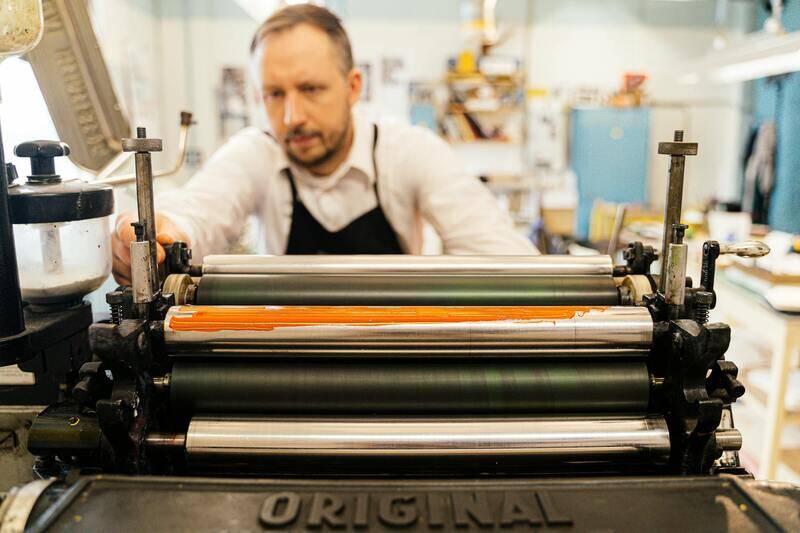
Implementing comprehensive quality control measures ensures that your custom brochures not only look exceptional but also perform effectively in your marketing campaigns. Precision at every stage of production reinforces your brand’s commitment to quality and enhances the overall impression your brochures make on recipients.
Effective Distribution Strategies for Custom Brochures
Successfully distributing custom brochures involves careful planning to reach your target audience and maximize engagement. One of the most reliable methods is direct mailing, where brochures are personalized and sent to selected customer segments. This approach allows for tailored messaging that resonates more effectively with recipients.
In addition to direct mailing, placing brochures in high-traffic locations such as trade shows, business events, or retail stores accommodates spontaneous encounters with potential clients. Collaborating with local businesses for placement in their premises can help expand your reach organically.
Integrating brochures into your digital marketing campaigns enhances their impact. For example, including QR codes in printed materials offers an interactive element, guiding users to your website or online resources for further engagement. This hybrid approach bridges offline and online marketing efforts effectively.
Another potent avenue is leveraging partnerships with community organizations or industry associations. Distributing your brochures at sponsored events or in newsletters ensures your message reaches a niche audience that aligns with your brand’s objectives.

Maximizing the Impact of Custom Brochures in Campaigns
To ensure your brochures serve their purpose effectively, it’s crucial to integrate them seamlessly into your overarching marketing strategy. Start by aligning the design and messaging with your brand identity, creating a cohesive experience that reinforces your core values.
Timing is also vital—distributing brochures during product launches, seasonal promotions, or industry events can capitalize on heightened interest and relevance. Regularly updating content to reflect current offers keeps your materials fresh and engaging.
Tracking the performance of distribution efforts through feedback mechanisms or customer surveys provides insights to refine future campaigns. Understanding which channels or locations yield the highest response rates enables targeted optimization.
Moreover, training staff to effectively introduce and distribute brochures enhances their impact. Equip your team with key talking points and knowledge about the brochure’s content, ensuring they can answer questions confidently and direct prospects to additional resources.

Ensuring the Best Outcomes with Custom Brochures
Creating high-quality custom brochures involves meticulous attention to detail across various stages of production. To guarantee that your final product resonates effectively with your target audience, it’s essential to adhere to rigorous quality control processes. This includes thorough proofreading to eliminate textual errors and discrepancies, which can undermine your professional image and reduce message clarity. Engaging multiple reviewers to scrutinize content ensures that language, facts, and branding elements are consistent and polished.

Partnering with trusted printing services who prioritize quality and consistency is crucial. Reputable printers utilize advanced printing technology, such as high-resolution digital presses or offset printing, which enhances color accuracy and detail sharpness. Selecting their services often includes options for sample proofs, allowing you to review the physical product before full production. This step helps verify that colors, images, and text are rendered flawlessly, aligning with your specifications.
Furthermore, paying attention to material selection impacts both aesthetics and durability. High-quality paper stocks, such as heavy cardstock or coated finishes, provide a professional look and feel, and they stand up better to handling and environmental factors. Don’t overlook finishes like matte, gloss, or soft-touch coatings, which can add a tactile dimension and elevate the perceived value of your brochures.
Incorporate feedback from stakeholders or focus groups to refine design and content. This collaborative approach ensures your brochure communicates clearly and compellingly. Regularly reviewing and updating your printing procedures, along with choosing environmentally responsible paper options, demonstrates your brand’s commitment to quality and sustainability.
Implementing Best Practices for Distribution and Follow-up
Effective dissemination of your custom brochures significantly amplifies their impact. Strategic placement and targeted distribution are key components. You'll want to identify high-traffic environments frequented by your prospective clients or partners, ensuring your brochures are positioned where they will be most seen and appreciated. Examples include waiting areas, trade show booths, or residential neighborhoods, depending on your audience.
beyond physical placement, integrating digital strategies through QR codes or dedicated landing pages can bridge offline and online engagement, providing additional layers of interaction. Tracking these responses provides valuable insights into which methods yield the best returns, allowing you to optimize your distribution efforts continually.
Post-distribution follow-up plays a crucial role in maximizing your brochures' effectiveness. Collecting feedback through surveys, monitoring inbound inquiries, or analyzing sales data can help you assess whether your materials are resonating and meeting your objectives. Regularly refreshing your content ensures that your brochures remain relevant, reflecting current offerings, branding updates, or industry trends.
Final Tips for Achieving Optimal Results
Consistency is fundamental for professional results. Maintain uniform branding elements—logos, color schemes, fonts—and ensure your messaging aligns with your overall marketing strategy. Working closely with experienced printing vendors can streamline this process, as they offer valuable recommendations based on their technical expertise.
Always request physical proofs before proceeding with large quantities. This helps catch any unforeseen issues that digital previews might not reveal. Investing in quality control is an investment in your brand’s integrity, ensuring that every brochure you distribute leaves a positive, lasting impression on recipients.