Introduction to Color Brochure Printing
Color brochure printing stands as a vital component in modern marketing strategies, offering businesses a dynamic way to communicate their brand identity, showcase products or services, and leave a lasting impression on potential clients. By utilizing full-color visuals, compelling graphics, and strategic layouts, color brochures serve as portable representatives of a company's message, capable of attracting attention and fostering engagement.
In the realm of branding, color brochures help establish a consistent visual identity that aligns with corporate values and appeals to target audiences. They are versatile marketing tools suitable for various sectors, including retail, hospitality, real estate, healthcare, and more. The vibrancy achievable through professional color printing makes these marketing materials particularly effective in highlighting special offers, new product launches, or corporate achievements.
Understanding the essentials of color brochure printing involves recognition of the process's scope—from choosing the appropriate paper stock to selecting the optimal printing method that ensures vivid colors and sharp details. Precise color reproduction is critical to accurately conveying brand imagery and maintaining consistency across promotional materials.
Moreover, the significance of high-quality color brochure printing extends beyond aesthetics. Well-crafted brochures can significantly influence customer perceptions, boost credibility, and foster trust. They facilitate tangible interactions with prospects, providing them with the information needed to make informed decisions. As a result, businesses investing in professional color brochure printing are more likely to experience increased engagement and conversion rates, reinforcing its vital role in comprehensive marketing campaigns.
Types of Paper and Finishing Options
When selecting paper for your color brochure printing project, understanding the variety of options available is essential to achieve the desired visual impact and durability. Premium materials such as coated gloss and matte finishes are popular choices because they enhance color vibrancy and offer a refined appearance. Coated gloss paper, for instance, produces bright, sharp images with high contrast, making it ideal for showcasing detailed visuals and vivid graphics. Conversely, matte finish paper provides a sophisticated, non-reflective surface that lends a softer, more elegant touch to your brochures, suitable for textual content and understated designs.
Beyond paper quality, finishing options play a critical role in the overall presentation. Laminating the brochures adds a protective layer, shielding against wear and tear while enhancing color depth. Spot UV coating allows for selective gloss effects on specific areas, drawing attention to key elements like logos or calls to action. Embossing and debossing techniques introduce tactile dimensions to the design, creating a memorable sensory experience for recipients. Additionally, folding styles such as bi-fold, tri-fold, or z-fold serve both functional and aesthetic purposes, allowing your brochure to organize information effectively while complementing the visual design.

Choosing the appropriate combination of paper quality and finishing options depends on your branding goals, target audience, and the nature of the message you wish to convey. High-end finishes tend to elevate brand perception and create a premium feel, making them suitable for luxury products or corporate portfolios. Conversely, more economical choices can be effective for mass distribution campaigns, provided they still uphold quality standards for a professional presentation.
Color Printing Techniques Used in Brochures
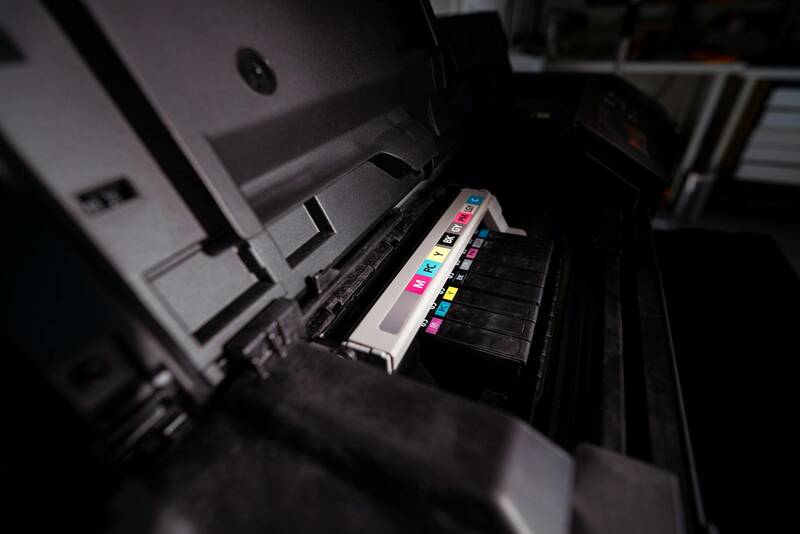
The vibrancy and sharpness of your brochure's colors largely depend on the printing techniques employed. Four-color process printing, also known as CMYK printing, is the standard method used for producing full-color images and complex color gradients. This technique efficiently reproduces detailed photographs and artwork with a wide color spectrum, ensuring your visuals appear eye-catching and true to the original design.
For designs requiring precise color matching, spot color printing offers an excellent solution. Using pre-mixed inks, this method produces specific shades, logos, or brand colors with consistency. It is especially beneficial for small-scale runs or when exact color fidelity is paramount. Additionally, digital printing provides a flexible and cost-effective approach for short runs and personalized brochures, allowing rapid turnaround times without sacrificing quality.
Understanding the strengths and limitations of each printing technique enables businesses to select the most suitable method for their specific needs. The choice impacts not only the visual impact but also production timelines and budgets. Collaborating with an experienced print provider can help navigate these options efficiently, ensuring the final product aligns perfectly with your branding and marketing objectives.
Types of Paper and Finishing Options
When it comes to color brochure printing, selecting the appropriate paper stock and finishing techniques plays a vital role in achieving a polished, professional appearance that captures attention and reinforces your brand identity. The choice of paper impacts not only the visual presentation of your brochure but also its tactile experience, durability, and overall perceived value.
Paper Types for Color Brochure Printing
- Glossy Paper: Known for its shiny surface, glossy paper enhances vibrant colors and sharp image reproduction. It is ideal for photographic images and designs requiring high contrast, making visuals pop and catch the eye.
- Matte Paper: Offering a non-reflective finish, matte paper provides a sophisticated, elegant look. It reduces glare and fingerprints, making it suitable for text-heavy brochures or designs where readability is paramount.
- Silk or Satin Finish: Combining the best of gloss and matte, silk or satin finishes deliver a smooth, soft sheen that adds a touch of luxury without the glare of high-gloss paper. This option balances visual impact with practicality.
- Uncoated Paper: Typically used for a natural, textured feel, uncoated paper lends a classic and understated aesthetic. It also facilitates easy writing or marking directly on the brochure surface.
Finishing Options to Elevate Your Brochure
- UV Coating: Applying a UV coating provides a high-gloss finish that safeguards your print and boosts color vibrancy. It adds durability, making brochures more resistant to scratches and wear.
- Varnishing: Varnish can be applied selectively in gloss, matte, or satin finishes to highlight specific sections or create visual contrast. It offers an extra layer of protection and refinement.
- Laminating: Laminating films enhance durability and give your brochure a premium feel. Available in gloss, matte, or soft-touch textures, laminates are especially suitable for high-traffic or outdoor uses.
- Embossing and Debossing: These techniques add tactile elements to your design, creating raised or recessed effects that draw attention to key features, such as logos or headings.
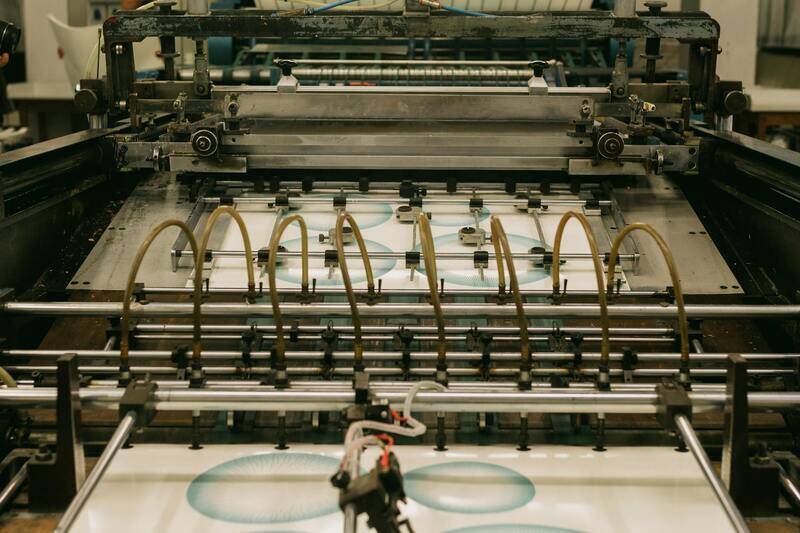
Choosing the right combination of paper and finishing options depends on your branding goals, target audience, and budget considerations. Combining premium paper stock with specialized finishing touches can make your brochures stand out in a competitive marketplace, ensuring your message is delivered with clarity, vibrancy, and a professional touch.
Incorporating Official and Authentic Printing Methods
When producing colour brochures, selecting legitimate printing techniques ensures that your final product reflects quality, professionalism, and long-lasting visual impact. Official methods adhere to industry standards and utilize cutting-edge equipment, guaranteeing consistency across multiple prints and batches. This approach not only enhances the overall appearance but also preserves the integrity of complex design elements such as intricate logos, gradients, and fine text details.
One fundamental aspect of authentic colour brochure printing is the use of high-resolution digital or offset printing technology. Offset printing, in particular, is widely regarded for its precision, color consistency, and ability to handle large print runs efficiently. It employs plates and precise ink application, which helps reproduce vibrant hues with sharp clarity. Digital printing, on the other hand, offers a more flexible option for shorter runs or personalized brochures, without compromising on colour fidelity.
Furthermore, trustworthy printing vendors employ calibrated colour management systems. These systems ensure color accuracy from digital files to the printed output, maintaining brand consistency across all marketing materials. Proper colour calibration prevents discrepancies such as dull hues or inconsistent shading that can occur if unregulated processes are used.

Legitimate colour brochure printing also involves the use of quality inks and substrates. Using environmentally approved, high-quality inks results in more vivid colours and minimizes smudging or bleeding during the printing process. Coupled with premium paper stock—be it coated, uncoated, or specialty finishes—this ensures the brochure maintains an upscale appearance with professional durability.
Another legitimate technique involves precise colour matching. Many professional printers incorporate Pantone colour systems to ensure that specific colours match the branding requirements or design specifications exactly. This is particularly crucial for maintaining consistent branding across various printed materials, reinforcing brand identity through accurate colour reproduction.
Beyond printing techniques, legitimate methods encompass appropriate post-press processes. This includes proper cutting, folding, and finishing treatments such as lamination or UV coatings, which are performed by trained operators to prevent damage and enhance the visual impact. Employing certified finishing processes guarantees a polished, high-quality final product that stands up to handling, outdoor exposure, or long-term display.
Ensuring Ethical Production and Supply Chain Integrity
Using officially sanctioned methods extends beyond the printing process itself. It also involves sourcing materials from reputable suppliers and adhering to accepted industry practices. This guarantees not only superior product quality but also compliance with environmental standards and safety regulations, providing peace of mind for your brand and stakeholders.
In summary, legitimate colour brochure printing hinges on the adoption of proven, high-standard methods that prioritize quality, consistency, and environmental responsibility. When partnering with a reputable printer who employs these official practices, you secure a visually compelling, durable marketing tool that accurately reflects your brand’s professionalism and commitment to excellence.
Understanding Legitimate Color Brochure Printing Methods
When selecting a printing solution for vibrant and durable colour brochures, it is essential to prioritize officially sanctioned techniques that ensure superior quality and consistency. These methods involve a comprehensive approach from the choice of designing software to the parameters set during the printing process, all conducted by trained professionals adhering to industry standards. Investing in legitimate printing practices not only guarantees accurate colour reproduction but also ensures that your brochures meet high standards of durability and visual appeal.
Official colour brochure printing relies on professional-grade equipment calibrated regularly to maintain colour accuracy. This calibration involves controlling variables such as ink density, paper absorption, and press temperature, which collectively influence the final output. By employing these controlled methods, printing providers can reproduce complex colour gradients, brand-specific hues, and precise Pantone matches, aligning perfectly with your branding guidelines.
Furthermore, professional printers utilize high-quality inks specifically formulated for aqueous or UV coating processes, which enhance colour vibrancy and resistance to fading over time. These inks are applied using well-maintained presses that are capable of handling various sizes and formats while maintaining high fidelity. This rigorous approach differs markedly from home or office printers, which often lack the precision and equipment necessary for consistently excellent results.
Another key aspect of legitimate brochure production involves the use of accredited paper suppliers. Reputable printers source papers that conform to industry standards for brightness, thickness, and finish. This ensures that the brochure not only looks appealing but also withstands handling, exposure to elements, and long-term storage without colour degradation or deterioration.
Employing certified finishing processes further enhances the quality of colour brochures. Trained operators execute cutting, folding, lamination, and coating techniques such as gloss, matte, or satin finishes with precision. UV coating, in particular, offers both aesthetic and protective benefits, providing a high-gloss surface that accentuates colour vibrancy while shielding the printed surface from scratches and moisture. These post-press treatments are performed using vetted procedures, so the integrity of the print is maintained throughout the finishing process.
Image Placeholder: 
Ensuring that all stages of production adhere to official methods is crucial for creating vibrant, durable, and professional-looking brochures. By choosing a printer committed to these high standards, you guarantee that your marketing material will effectively communicate your message while reflecting your commitment to quality and excellence.
Color Printing Techniques Used in Brochures
When it comes to producing high-impact color brochures, selecting the appropriate printing technique is essential to capture vibrancy, detail, and consistency. Different methods offer unique advantages, and understanding these can help in making an informed choice aligned with your project's objectives.
Offset Color Printing
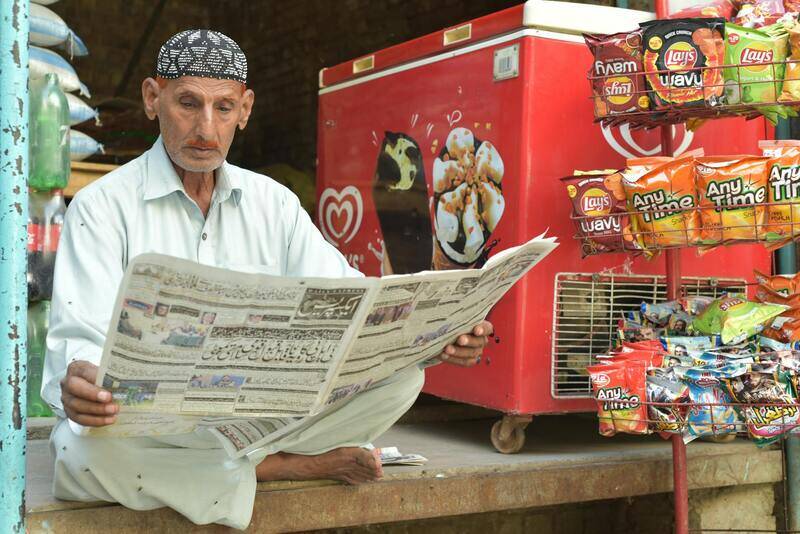
Offset lithography remains the most prevalent method for high-volume brochure printing due to its cost-efficiency and superior color fidelity. This process involves transferring ink from a plate to a rubber blanket, then onto the substrate. It allows for precise color reproduction and sharp image quality, especially when utilizing the Pantone matching system or CMYK color profiles. The consistency achieved through offset printing ensures that every copy maintains uniform vibrancy and sharpness, making it ideal for branding materials that demand consistency across large runs.
Digital Color Printing
Digital printing offers a flexible, fast-turnaround alternative for smaller quantities or customized brochures. Modern digital presses utilize electrophotographic processes similar to laser printing, which can produce high-quality color images with impressive detail. Though traditionally less cost-effective for large runs, current advancements have narrowed this gap, making digital printing suitable for short runs, prototypes, or personalized marketing campaigns. This method also allows for quick modifications between print jobs, facilitating targeted messaging or regional variations without extensive setup costs.
UV and Latex Printing
UV printing applies ultraviolet light during the ink curing process, producing vibrant colors with high gloss and excellent durability. This technique is particularly advantageous for brochures that require added protection against scratches, moisture, or handling wear. Latex printing, meanwhile, uses water-based inks that offer flexibility, environmentally friendly attributes, and vibrant finishes suitable for both indoor and outdoor applications. Both techniques provide benefits in terms of visual impact and longevity, especially when high-impact display is desired.
Color Consistency and Calibration
Ensuring accurate and consistent color reproduction across multiple print jobs requires precise calibration of printers and color profiles. Reputable print providers perform regular color management procedures, including ICC profiling and calibration, which guarantee that the printed colors match digital designs precisely. This meticulous process involves controlling variables like paper type, ink density, and humidity levels, ultimately resulting in brochures that faithfully reflect design intentions with consistent vibrancy throughout the entire print run.
Image Placeholder:
Quality Assurance in Color Printing
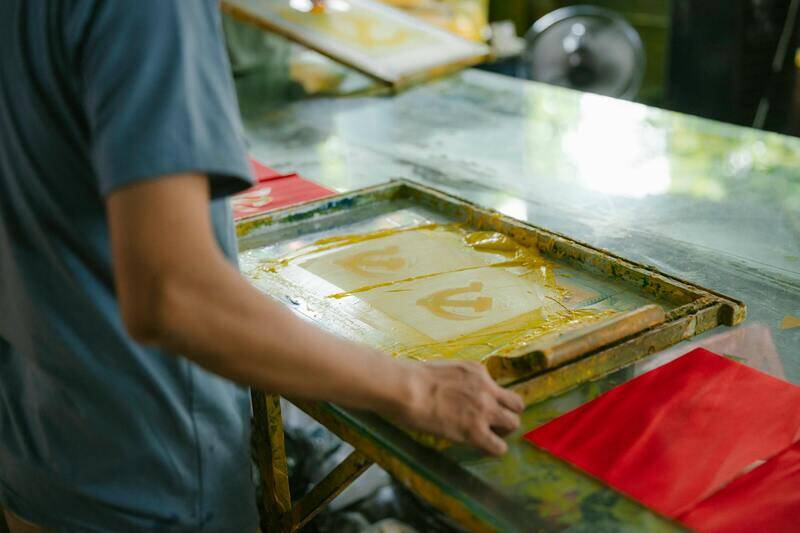
Legitimacy and professionalism in colour brochure printing hinge upon strict quality assurance measures. These include utilizing calibrated equipment, adhering to industry standards for inks and substrates, and employing certified finishing techniques such as lamination, UV coating, or embossing. Each stage must be executed by trained technicians following established protocols to preserve color accuracy, image clarity, and structural integrity. A reliable printer will also conduct sample proofs for client approval, ensuring that the final product aligns perfectly with the initial vision before proceeding with large-scale production.
Official Methods for Color Brochure Printing
When sourcing color brochure printing, it is essential to adhere to responsible and documented practices that ensure high-quality results and consistent output. Professional printing companies utilize a range of established protocols that guarantee the integrity and vibrancy of the printed material. These methods include meticulous color matching processes, high-resolution imaging, and adherence to industry-leading standards for ink application and paper handling.
One of the fundamental steps involves the creation of a comprehensive color profile that aligns digital designs with printed outputs. This process, often involving ICC (International Color Consortium) profiling, ensures that the colors viewed on a screen are faithfully reproduced on physical media. Reputable printers calibrate their equipment regularly, employing specialized tools and software to maintain consistency across print runs, which is crucial for branding consistency and professional presentation.
In addition, suppliers strictly utilize approved inks and substrates that meet environmental and safety regulations. These inks are formulated to adhere well to various paper types, providing rich, vibrant coloration while ensuring durability and longevity. The choice of paper is equally critical; reputable sources offer a selection of certified papers with specific coatings and finishes that enhance color saturation and clarity.
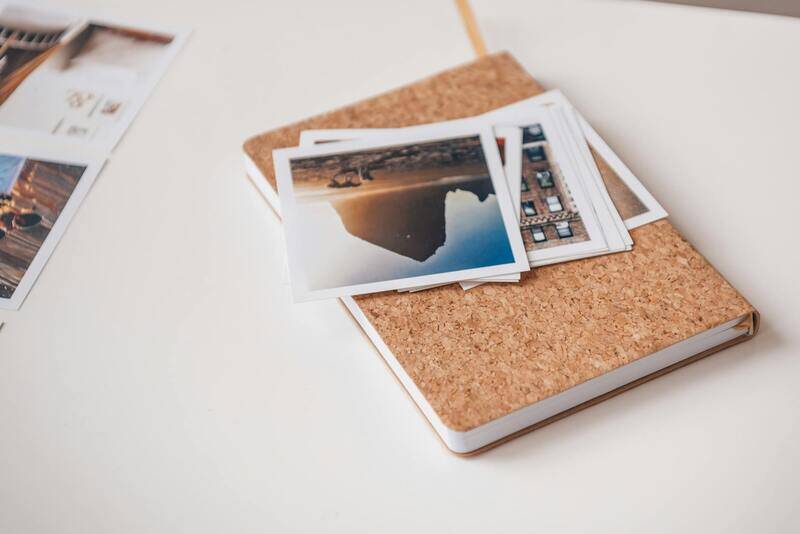
To further safeguard the quality of the final product, professional printers conduct comprehensive quality assurance protocols. These include producing sample proofs for client approval before mass production, inspecting the consistency of color reproduction, and executing rigorous testing of finishing techniques like lamination, UV coating, or embossing. Such measures guarantee that every brochure meets high standards and accurately reflects the intended design.
Ensuring Transparency and Quality Assurance
Adhering to transparent and traceable methodologies in colour brochure printing is essential, especially when working with established print providers. These providers maintain detailed documentation of their processes, including product samples, calibration reports, and test proofs. Such documentation provides clients with confidence that the final printed brochures are produced under legitimate and meticulous standards, aligning with both aesthetic and functional expectations.
Furthermore, reputable print services employ trained technicians to oversee each stage of the process, from printing to finishing, ensuring that quality benchmarks are consistently met. This oversight minimizes errors, prevents deviations in color and quality, and facilitates smooth communication with clients for any adjustments needed before full-scale production.
Image Placeholder

Understanding the Legal Frameworks and Industry Standards in Colour Brochure Printing
When pursuing professional colour brochure printing, it is essential to collaborate with reputable printing providers that adhere to established industry standards and best practices. These standards encompass a wide array of protocols designed to ensure high-quality output, consistent color accuracy, and sustainable processes. The adherence to certified procedures guarantees that the final product meets precise specifications and fulfills various quality benchmarks set by industry authorities.
One key aspect of legitimate colour brochure printing involves comprehensive quality management systems. Certified printers often incorporate quality control protocols such as standardized color calibration, regular inspections of printing equipment, and adherence to environmental management standards. These practices help maintain consistency across print runs, reduce waste, and ensure that the final brochures accurately align with the client's original design intentions.
Additionally, experienced printing companies employ advanced color measurement tools like spectrophotometers and colorimeters to verify that the printed colors match digital proofs meticulously. This process ensures that vibrant hues, subtle gradients, and fine details are reproduced with fidelity, which is vital for marketing materials where visual impact directly influences brand perception.

Reputable providers also maintain detailed documentation of their processes, including production reports, calibration logs, and sample proofs. This documentation facilitates transparency, enabling clients to verify that each brochure batch is produced in accordance with high standards. It also helps in troubleshooting and resolving potential discrepancies promptly, ensuring a smooth production flow from design to delivery.
To guarantee compliance with best practices, many organizations pursue certifications such as ISO 12647 for process control or FSC certification for responsible paper sourcing. These certifications reflect a company’s commitment to quality assurance and sustainable practices, providing added confidence to clients seeking legitimate and reliable brochure printing solutions.
Using Authorized Materials and Certified Processes
Ensuring the use of authentic printing materials and following certified printing processes is fundamental for producing high-quality colour brochures. Reputable printers source paper, inks, and coatings from trusted suppliers that meet specified standards for durability, color vibrancy, and environmental safety. These materials are vital to achieving consistent print quality, especially when employing intricate color gradients or detailed imagery.
Furthermore, legitimate printing facilities employ industry-approved procedures, such as controlled environment settings for humidity and temperature, to prevent distortions or color shifts during production. Maintaining such controlled environments preserves paper integrity and ensures optimum adhesion of inks and coatings, resulting in a superior finished product.
Maintaining Ethical and Sustainable Printing Practices
In today’s market, environmental considerations are an integral aspect of legitimate colour brochure printing. Many esteemed print providers follow environmentally responsible policies, such as sourcing FSC-certified paper and using soy-based or vegetable-based inks. These sustainable practices reduce ecological impact and align with clients' corporate social responsibility goals, reinforcing the credibility and quality of the final printed brochures.

In sum, working exclusively with print professionals committed to high standards and transparent processes not only ensures the production of vibrant, durable, and precisely executed brochures but also fosters trust and confidence in the final product. Rigorous adherence to documented procedures, certified materials, and sustainable practices positions a print provider as a legitimate entity dedicated to quality, ethics, and excellence in colour brochure printing.