Overview of Brochure Printing in Singapore
Brochure printing remains a vital component of corporate marketing strategies and organizational communication efforts in Singapore. As a bustling hub for commerce and industry, Singapore businesses leverage professionally printed brochures to showcase their products, services, and brand story effectively. These printed materials serve as tangible, visually engaging tools that facilitate direct interaction with target audiences across various sectors, including retail, hospitality, real estate, education, and healthcare.
In a marketplace where first impressions carry significant weight, the quality and presentation of a brochure can influence customer perception and trust. Well-designed, high-quality brochure printing helps businesses distinguish themselves amid fierce competition. It plays a crucial role in brand building, conveyance of key messages, and event promotion, making it a versatile asset in both B2B and B2C contexts.
From product launches and corporate events to informational campaigns and community outreach programs, brochure printing provides a tangible presence that digital media alone cannot fully replicate. Its physical form encourages engagement, enhances brand recall, and offers a lasting impression that can influence decision-making processes.
Choosing an effective brochure printing solution in Singapore involves understanding the different formats, design principles, and quality standards that align with specific business objectives. Whether aiming for a sleek, modern look or a more traditional and elegant aesthetic, the right printing approach ensures that the message resonates with the intended audience. As an integral part of marketing communication, professional brochure printing can significantly impact the success of promotional activities and brand positioning in Singapore’s diverse economic landscape.

Types of Brochures and Printing Formats
When selecting the appropriate brochure printing solution, understanding the different formats and styles available is crucial to effectively communicate your message. Each brochure type offers unique advantages tailored to specific marketing needs and brand identities. Common formats include bi-folds, tri-folds, and Z-folds, each serving different purposes and providing varying levels of space and design flexibility.
Bi-fold brochures split the paper into two equal parts, creating a simple yet elegant presentation that is ideal for highlighting key products or services. Their straightforward layout allows for clear, organized content presentation, making them suitable for corporate identity or executive summaries.
Tri-fold brochures are among the most popular due to their compact size and versatility. Folding the paper into three panels enables a logical flow of information, guiding readers through different sections seamlessly. This format is especially effective for event programs, product catalogs, and promotional flyers.
Z-fold brochures fold into three panels in a zigzag pattern, providing a unique presentation style that captures attention. Their extended layout offers ample space for visuals and detailed information, making them suitable for in-depth campaign messages or corporate reports.
In addition to folding styles, standard sizes such as A4, A5, and custom dimensions are employed based on the content complexity and distribution method. Choosing the right format and size ensures your message is delivered effectively, creating a visually appealing and functional piece that aligns with your marketing objectives.
Design Considerations for Effective Brochures
Design plays a pivotal role in brochure effectiveness. A well-designed brochure combines visual appeal with clear, concise messaging to engage and persuade the target audience. The layout should balance images and text, maintaining readability while highlighting key points.
Professional design incorporates branding elements such as logos, brand colors, and typography consistent with your overall branding strategy. The use of whitespace enhances visual clarity, preventing overcrowding and allowing essential information to stand out.
Moreover, incorporating compelling imagery that resonates with your target market reinforces your message and improves recall. Consistent visual themes across all brochure components create a harmonious look, boosting brand recognition and credibility.
Choosing the Right Printing Materials
Material selection significantly impacts the durability and feel of the finished brochure. High-quality printing papers range from glossy and matte finishes to textured stock, each imparting a different tactile and visual impression. Glossy finishes are ideal for vibrant imagery, enhancing colors and details, while matte finishes offer a sophisticated, non-reflective surface suited for text-heavy brochures.

For brochures intended for outdoor distribution or frequent handling, opting for thicker, weather-resistant stocks ensures longevity and reduces wear. Recycled materials are also an environmentally friendly choice, aligning with sustainable branding initiatives without compromising quality.
Color Printing and Design Precision
Color fidelity is crucial in visually vibrant brochures such as product catalogs and promotional flyers. Advanced color matching techniques and calibration ensure that printed colors accurately reflect your digital design, maintaining brand consistency across print and digital media.
Design precision extends beyond color matching to include sharpness, image resolution, and layout alignment. High-resolution images (typically 300 dpi) guarantee clear, crisp visuals, which enhance the professional appearance of your brochure. Proper bleeds and margins prevent unintended cropping or white edges, preserving a polished look.
Printing Technologies and Quality Standards
Two primary printing technologies dominate brochure production: digital and offset printing. Digital printing is cost-effective for small quantities and quick turnarounds, offering flexible customization options. Offset printing, on the other hand, provides superior quality and consistency for large volumes, making it the preferred choice for bulk production.
Adherence to quality standards, including color accuracy, registration, and finishing details like coating and lamination, ensures each brochure meets professional benchmarks. A reputable printer employs the latest equipment and quality control processes to deliver consistent results.
Turnaround Time and Cost Factors
Efficient production timelines depend on the complexity of the design, quantity, and chosen printing method. Digital workflows accelerate turnaround times, often delivering finished brochures within a few days. Offset printing may require longer due to setup procedures but is cost-effective for larger runs.
Understanding your budget constraints and schedule is vital when selecting a printing solution. Higher-quality materials and finishes naturally incur increased costs, but investing in premium options can significantly enhance your brand perception and ROI.
Additional Services and Customization Options
To further refine your brochure’s impact, many printing providers offer value-added services such as embossing, foil stamping, spot UV coating, and die-cutting. These embellishments create tactile and visual accents, differentiating your brochure from standard offerings.
Customization extends beyond aesthetics, encompassing fold lines, perforations, and personalized QR codes that can link to digital content, offering interactive user experiences. Collaborating with experienced printers enables comprehensive customization to align perfectly with your branding and campaign goals.
Ensuring High-Quality Brochure Printing with Proper Methods
Achieving exceptional brochure printing results hinges on selecting the appropriate printing techniques that align with your project’s requirements. The most common methods include digital printing and offset printing, each offering distinct advantages based on the scope, complexity, and desired finish of your brochures.
Digital printing is ideal for short runs and projects requiring quick turnaround times. This method employs high-resolution digital presses that produce vibrant colors and sharp details directly from digital files, minimizing setup costs and time. It allows for easy customization, such as variable data printing, which can personalize each brochure for targeted marketing campaigns.
Offset printing, on the other hand, is preferred for larger quantities due to its cost-effectiveness at scale. It involves creating plates for each color used in the design, which then transfer ink onto the printing surface through a series of rollers. This process yields highly consistent quality, color accuracy, and professional finishes. Offset printing also accommodates a wider range of substrates and finishing options, essential for creating more sophisticated brochures.
Quality assurance remains a top priority throughout the printing process. Reputable printing services adhere to strict standards in color matching, registration accuracy, and finishing touches. They utilize advanced monitoring systems to ensure each brochure aligns with the specified design and quality benchmarks. Proper calibration and regular maintenance of printing equipment further guarantee consistent, crisp results every time.
Implementing Professional Finishing for Brochure Durability and Appeal
Beyond printing, the application of high-quality finishing techniques enhances the durability, tactile sensation, and visual appeal of brochures. Techniques such as coating and lamination provide protective layers that safeguard against wear and tear, making brochures suitable for frequent handling and outdoor distribution.
Matte, gloss, or satin coatings are chosen based on the desired aesthetic and functional requirements. Gloss coatings offer vibrant color reproduction and a sleek look, ideal for eye-catching visuals. Matte finishes provide a sophisticated, non-reflective surface, suitable for elegant branding. Satin coatings strike a balance, offering subtle sheen and durability.
Additional embellishments like spot UV coating can highlight specific design elements, adding a glossy accent to logos or images. Die-cutting creates unique shapes and window effects, transforming classic brochures into engaging tactile experiences. Embossing and foil stamping can add texture and metallic accents, elevating the perceived value of your printed materials.
Collaborating with a professional printing provider ensures you can explore a comprehensive range of finishing services. Their expertise guarantees proper application, preventing issues such as smudges, misalignments, or peeling of coatings and embellishments. Proper handling and drying times are integral to achieving pristine results, especially for intricate techniques like foil stamping and die-cutting.
Adherence to Printing Standards and Quality Control
Maintaining high standards in brochure printing requires strict adherence to technical specifications and quality control protocols. This includes color calibration using standardized color profiles to match Pantone or CMYK values, ensuring the printed colors accurately reflect your brand identity and design intent.
Registration accuracy is critical when dealing with multi-color designs, especially those with complex graphics or overlays. Precision in aligning colors and elements prevents blurriness or misregistration, which can compromise the professional appearance of your brochures.
The choice of materials also influences quality. Reputable printers use premium substrates that are compatible with the selected printing technology, providing smooth surfaces and vibrant color reproduction. They also perform thorough inspections during and after production to detect and rectify any defects before delivery.
Cost-Effective and Timely Production Strategies
Understanding the balance between quality, budget, and urgency is essential when planning brochure printing projects. Digital workflows facilitate rapid production without sacrificing quality, making them suitable for tight deadlines and limited budgets. Conversely, offset printing, while requiring longer setup times, offers a more economical solution for large-scale orders, with consistent premium results.
Efficient planning and clear communication with your printing partner help streamline the process, avoiding costly revisions and delays. Awareness of turnaround times for different printing methods enables you to schedule your project effectively, ensuring ample time for design finalization, material selection, and post-printing finishes.
Choosing the Right Printing Materials
Selection of appropriate printing materials plays a crucial role in achieving a professional and impactful brochure. The material quality influences durability, tactile experience, and visual appeal, which collectively enhance the overall presentation of your marketing collaterals. When selecting paper types, consider the texture, weight, and finish, as these elements should align with your brand image and brochure purpose.
Premium paper options such as gloss, matte, and silk finishes offer distinct aesthetic qualities. Glossy paper amplifies vibrancy, making colors pop and images stand out, ideal for high-detail visuals. Matte finishes provide a subdued, elegant look that reduces glare, suitable for text-heavy layouts or conservative branding. Silk finishes strike a balance, offering smoothness with a slight sheen that enhances readability and visual interest.

Coatings and laminates further extend the lifespan and aesthetic appeal of printed brochures. UV coating adds a glossy, protective layer, making brochures resistant to scratches and fingerprints, ideal for frequent handling. Matte or soft-touch coatings provide a refined, understated look that also offers some resistance to smudges and moisture. Custom coatings can be tailored to specific tactile and visual preferences, ensuring your brochure stands out while maintaining structural integrity.
For projects demanding premium quality, consider specialty materials such as textured papers or eco-friendly options. These choices not only support sustainability initiatives but also convey a commitment to environmental responsibility, which resonates positively with conscientious consumers. It’s essential to work closely with your printing service provider to match design needs with the most suitable substrates, ensuring high-fidelity reproduction and longevity of your printed materials.
Enhancing Brochures with Finishing Options
- Embossing and Debossing: Add tactile depth to logos or headings, creating a memorable sensory experience.
- Spot UV Coating: Highlight specific areas like images or text for visual emphasis and elegance.
- Die-Cutting: Customize shape and structure, including rounded edges or unique cutouts, to make your brochure distinctive.
These finishing touches not only elevate aesthetic appeal but also reinforce brand identity by offering a tactile or visual signature that audiences can associate with your company or product. Strategically combining material selection with appropriate finishing techniques ensures your brochure remains compelling and durable, making a lasting impression on recipients.
Choosing the Right Printing Materials
Selecting the appropriate printing materials is crucial for producing brochures that effectively convey your brand message and withstand handling over time. The choice of paper or cardstock not only affects the tactile quality but also influences the visual appeal of your brochure. Consider thicker, premium options like 300gsm or higher for a substantial, high-end feel, especially when your goal is to impress clients or showcase luxury goods. Thinner papers, such as 150gsm, may suffice for more informational or bulk distribution purposes, where cost efficiency is a priority.
Matte finishes are popular for their non-reflective surface, ideal for brochures with detailed text and vibrant imagery, as they reduce glare and make reading easier. Glossy finishes, on the other hand, enhance color vibrancy and image sharpness, making visuals pop and grabbing attention quickly. Satin or silk finishes offer a middle ground, providing a smooth surface with a subtle sheen without being overly reflective.
Eco-friendly options, such as recycled paper or materials made from sustainably sourced fibers, are increasingly favored by environmentally conscious consumers. These options often come with additional certifications and can enhance your company's image as a responsible enterprise. It’s advisable to consult with your printing service provider about specialty materials, textured papers, or coatings that align with your design goals and branding strategy.
Factors to Consider When Selecting Materials
- Durability: The material should withstand handling and exposure without damage.
- Visual Impact: Material finish and texture influence the physical perception of your brochure.
- Environmental Impact: Eco-friendly options can demonstrate your commitment to sustainability.
- Cost: Material choice should align with your budget while fulfilling design and functional requirements.
- Compatibility with Finishing Techniques: Some materials work better with embossing, spot UV coating, or die-cutting, creating opportunities for additional visual and tactile effects.
Professionally printed brochures with the right materials significantly enhance brand recognition and leave a lasting impression. Collaborating with experienced printers can help you navigate material selection based on your project scope, desired aesthetics, and budget constraints.
Color Printing and Design Precision
Implementing vibrant and accurate color reproduction in brochure printing is fundamental to capturing the attention of your target audience. High-quality color printing ensures that your branding, logos, and visual elements are rendered with precision, enhancing overall aesthetic appeal and professionalism. When selecting a printing service, it is essential to verify their capacity to handle complex color matching and to produce consistent results across multiple batches. This often involves utilizing advanced color management systems and calibrated printers to maintain fidelity to your design specifications.
Design precision goes beyond just color accuracy; it encompasses the careful handling of details such as text clarity, image sharpness, and alignment. Precision printing techniques such as high-resolution output and advanced pre-press processes contribute to achieving crisp visuals and sharp typography. These practices minimize distortions, pixelation, or misregistration, all of which can undermine the visual integrity of your brochures. By ensuring meticulous production standards, you reinforce your brand’s credibility and leave a professional impression on your prospects and customers.

Employing advanced printing technologies such as hybrid printing methods that combine digital and offset techniques allows for both flexibility and high-quality output. Digital printing is ideal for short runs and quick turnarounds, while offset printing excels in producing large quantities with consistent color fidelity. Whatever the method chosen, rigorous quality control measures—including color calibration, substrate inspection, and print sample approval—are vital to ensure that each brochure meets the desired standards of color vibrancy and design accuracy.
Moreover, finishing techniques like spot UV coating, matte or gloss varnishes, and embossing can enhance visual impact and tactile experience, elevating your brochures from mere informational tools to engaging marketing assets. When executed properly, these techniques align perfectly with customized prints, delivering a refined and visually captivating product that resonates with your audience.
Overview of Brochure Printing in Singapore
Brochure printing remains a vital marketing activity for businesses seeking to promote their products, services, and brand identity effectively. In Singapore, a competitive business environment necessitates high-quality print materials that stand out and leave a memorable impression. The process involves selecting suitable formats, materials, and printing techniques to ensure the final product aligns with branding goals and communication strategies. As a hub for diverse industries—from hospitality and retail to corporate services—Singapore demands a variety of brochure styles, from sleek digital designs to handcrafted, bespoke pieces. Engaging the right printing partner ensures consistency in quality, adherence to deadlines, and cost efficiency, ultimately reinforcing the professional image and credibility of your organization.
Types of Brochures and Printing Formats
The diversity of brochure styles available caters to various marketing needs, from informative detailing to eye-catching visual narratives. Common types include:
- Bi-fold Brochures: Compact, functional, and easy to distribute, ideal for quick overviews and straightforward messaging.
- Tri-fold Brochures: Provides six panels for segmented content, combining aesthetics with information density.
- Gate-fold Brochures: Features large panels that open like gates, creating a dramatic reveal for high-impact visuals.
- Booklet-style Brochures: Multiple pages bound together, suitable for detailed catalogs, service guides, or corporate reports.
- Z-fold and Accordion-fold Brochures: Flexible layouts allowing creative panel arrangements and interactive designs.
Regarding printing formats, offset printing remains the standard choice for bulk production due to its high cost-efficiency and consistent quality. Digital printing, on the other hand, offers flexibility for short runs and fast turnaround, making it suitable for limited editions, promotional campaigns, or test markets. Both methods adhere to precise specifications ensuring sharp graphics and vibrant colors. Additionally, die-cutting allows for custom shapes and unique formats, enhancing visual appeal and brand recognition.
Design Considerations for Effective Brochures
Design is the cornerstone of impactful brochures. A well-crafted layout captures attention and guides the reader through your message seamlessly. Core principles include clear hierarchy, balanced use of visuals and text, and consistent branding elements. Striking visuals combined with concise, compelling copy ensure the brochure communicates effectively. Incorporating whitespace prevents clutter, allowing key information to stand out. Fonts should be legible and aligned with your brand personality, while images must be high-resolution to maintain sharpness during printing.
Creative use of design features such as overlays, patterns, and unique fold mechanisms can significantly enhance user engagement. Including call-to-action prompts directs recipients toward desired outcomes, whether visiting a website, making inquiries, or attending events. Prioritize readability and accessibility to appeal to a diverse audience, ensuring your message transcends language and cultural barriers common in Singapore’s multicultural landscape.
Choosing the Right Printing Materials
The selection of printing substrates affects both the aesthetics and durability of your brochures. Common materials include:
- Glossy Paper: Offers vibrant color reproduction, ideal for high-impact visuals and photography-heavy designs.
- Matte Paper: Provides a sophisticated, glare-free finish that complements subtle design details and text-heavy content.
- Uncoated Paper: Suitable for tactile, premium feels and easy to write on if needed.
- Specialty Materials: Textured, metallic, or recycled papers add uniqueness and reflect your brand’s values.
Durability considerations are critical, especially for brochures intended for outdoor use or frequent handling. Heavyweight cardstock enhances rigidity and perceived quality. Environmental sustainability is also increasingly significant; opting for eco-friendly materials and inks can showcase your commitment to responsible business practices without compromising print quality.

Color Printing and Design Precision
Color accuracy directly impacts the visual effectiveness of your brochures. Precise color matching ensures your brand colors appear consistently across all printed materials. Advanced calibration techniques, color profiles, and proofing processes help achieve this goal. High-resolution color printing ensures crisp, vivid visuals that draw attention and communicate professionalism.
Design precision extends beyond color to include alignment, slit accuracy, and finishing detail. Registration fidelity is vital where multi-color images or complex graphics are involved. Sophisticated pre-press checks prevent issues such as misregistration, blurring, or pixelation, safeguarding your brand’s image integrity. Incorporating elements like spot UV coating or embossing can add tactile and visual depth, further enhancing the brochure’s impact.
Printing Technologies and Quality Standards
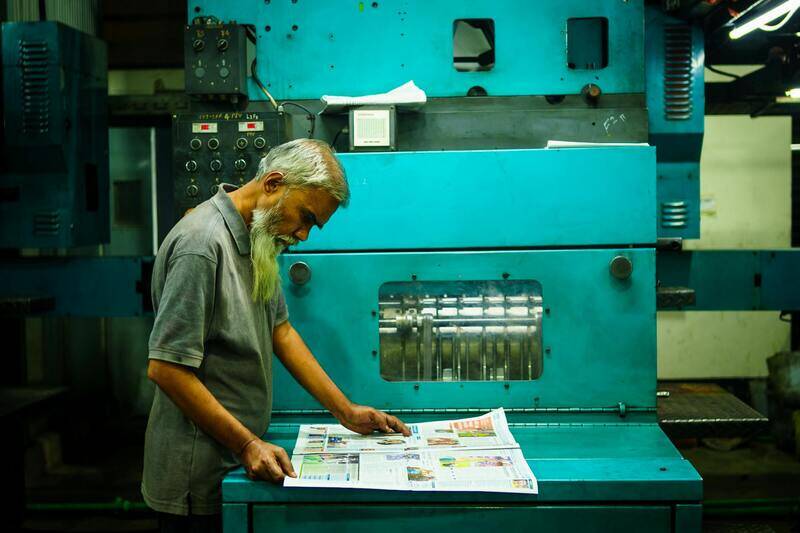
To meet the rigorous expectations of modern marketing, reputable printing providers utilize cutting-edge technologies. Offset printing remains a staple for large-volume production due to its ability to produce consistent, high-quality images with precise color fidelity. Digital printing offers flexibility for small runs, quick turnarounds, and personalized options. Hybrid approaches combine the strengths of both techniques to optimize output quality and efficiency.
Maintaining stringent quality standards involves comprehensive pre-press inspections, calibration of printing presses, and detailed proofing processes. This ensures consistent color reproduction, sharp typography, and accurate details throughout the production cycle. Finishing options such as matte or gloss varnishes, spot UV coating, embossing, or foil stamping can elevate the tactile and visual appeal of your brochures, making them memorable to recipients.
In an increasingly competitive landscape, meticulous quality control and innovative finishing techniques play pivotal roles in transforming brochures from mere informational pieces to compelling marketing tools that captivate audiences and reinforce brand identity.
Ensuring Top-Notch Brochure Printing with Proper Methods
To guarantee the production of high-quality brochures that effectively communicate your brand message, it is essential to adhere to proven and reliable printing methods. Reputable printing services employ a combination of advanced technology and rigorous quality control processes to deliver consistent results that meet professional standards. From the initial design phase to the final finishing touches, employing legitimate printing practices ensures each brochure is produced with precision and durability.
Utilization of Commercial-Grade Printing Presses
Commercial offset presses are a cornerstone of professional brochure printing, especially for large quantities. They offer superior color accuracy, sharp image reproduction, and high-speed output. Offset printing involves transferring ink from plates onto a rubber blanket, which then applies the image onto the paper. This process ensures uniformity across extensive runs, making it ideal for businesses with bulk printing needs. The precise calibration of these presses results in crisp typography, vibrant images, and consistent color fidelity, all of which are critical in maintaining brand professionalism.
Advantage of Digital Printing for Short Runs
For smaller quantities or customized brochures, digital printing provides a flexible and efficient alternative. By directly printing digital files onto the chosen material, this method reduces setup time and costs. It allows for rapid turnaround and personalized content, which can be especially beneficial in targeted marketing campaigns. Digital printing provides excellent quality, especially for projects that require custom images, variable data printing, or quick revisions, making it a versatile choice for many enterprises.
Adoption of Hybrid Printing Approaches
Many professional print providers now combine offset and digital techniques within a single project to leverage the benefits of both. For instance, offset printing may be used for the main bulk of brochures, ensuring consistent high-quality images and colors, while digital printing handles personalized inserts or last-minute modifications. This hybrid approach optimizes cost-efficiency and quality control, ensuring you receive a product that meets specific marketing objectives while adhering to stringent standards.
Stringent Quality Control Processes
Reputable printing companies implement comprehensive quality assurance protocols throughout production. This includes pre-press inspections, proof approvals, calibration of printers, and in-process quality checks. Ensuring color consistency, accurate registration, and high-resolution output minimizes errors and guarantees that each brochure reflects your brand's professionalism. Finishing touches like coating, embossing, or foil stamping are also completed under controlled conditions to preserve visual appeal and tactile quality.
Proper Material Selection and Handling
Maintaining quality also involves selecting appropriate substrates—such as coated, matte, or gloss paper—that complement the design and intended use of the brochures. Proper storage and handling before printing prevent damage and ensure the materials are in optimal condition when processed. This groundwork supports the delivery of a polished final product that not only looks excellent but also endures handling and distribution.
Incorporating these official methods in your brochure printing process elevates the overall quality, effectively communicates your message, and strengthens your brand image.