Overview of Digital Printing Services
Digital printing services have revolutionized the printing industry by enabling rapid, high-quality, and customized printing solutions. Unlike traditional offset printing, which requires costly setup processes and large print runs, digital printing leverages advanced digital technologies to produce prints directly from digital files. This method allows for greater flexibility, faster turnaround times, and cost-effective small-scale productions, making it an ideal choice for businesses and individuals seeking efficient printing solutions.
Digital printing services encompass a variety of formats, including commercial printing, personalized marketing materials, packaging, and promotional products. The ability to print on demand reduces waste and inventory costs, which is a significant advantage in today’s fast-paced, on-demand market environment. These services also facilitate customization and variable data printing, allowing for highly targeted marketing and personalized client communication.
Key advantages of digital printing over traditional methods include:
- Speed: Rapid setup and quick production times enable faster project completion.
- Cost-Efficiency: Lower initial setup costs are ideal for short runs and personalized prints.
- Customization: Easy integration of variable data allows for tailored content at no additional cost.
- High Quality: Modern digital presses provide vibrant colors, sharp images, and detailed graphics.
- Flexibility: Suitable for a wide range of materials and formats, from papers to specialty substrates.
Digital printing services continue to evolve, incorporating advancements like automation and eco-friendly inks, further expanding their capabilities and sustainability in the printing landscape. As a result, digital printing has become a fundamental component for businesses looking to improve their marketing efficiency, branding consistency, and overall printing quality.
Types of Digital Printing Technologies
Digital printing employs various advanced methods to deliver high-quality, customized print products. The predominant technologies include inkjet, laser, and direct-to-garment (DTG) printing, each suited to specific applications based on the nature of the project, material, and desired output.
Inkjet Printing
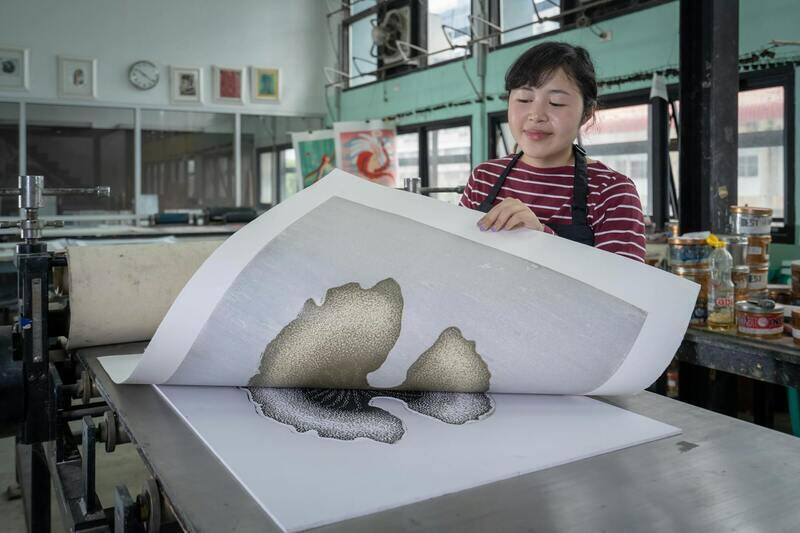
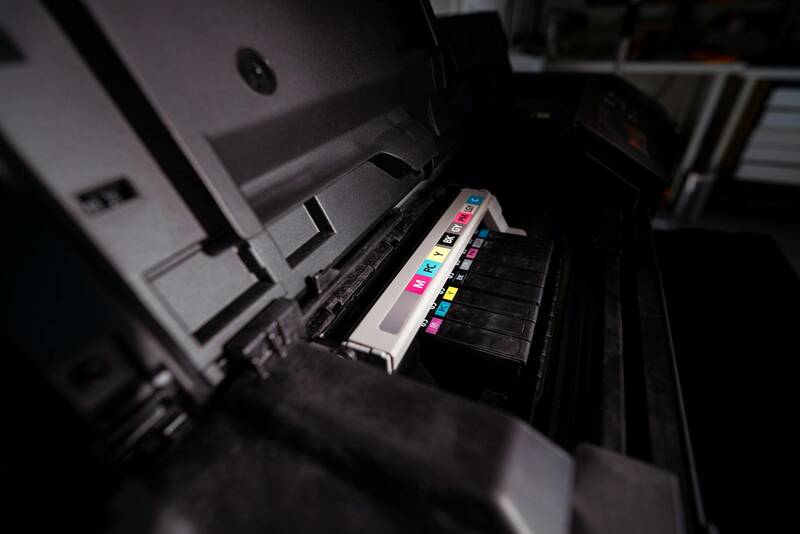
Inkjet printing is renowned for its versatility and ability to produce vibrant, detailed images on a multitude of substrates. In commercial settings, inkjet is frequently used for large-format banners, posters, and art prints, thanks to its capacity to handle wide formats while maintaining color accuracy. The method involves propelling tiny droplets of liquid ink directly onto the printing surface through nozzles, enabling precise control over color gradations and image sharpness. Advances in ink formulations, such as UV-curable inks, have expanded inkjet’s application scope, allowing printing on non-porous surfaces like plastics or metals.
Laser Printing
Laser printing utilizes a laser beam to create static electric charges on a drum, attracting toner particles that are then transferred onto paper or other materials. Known for its speed and precision, laser printing is ideal for producing crisp text documents, business cards, and high-volume marketing materials. Its consistent output and sharp image reproduction make it a preferred choice for transactional printing and corporate stationery. Modern laser printers also support various paper sizes and weights, providing durability and resilience for diverse professional applications.
Direct-to-Garment (DTG) Printing
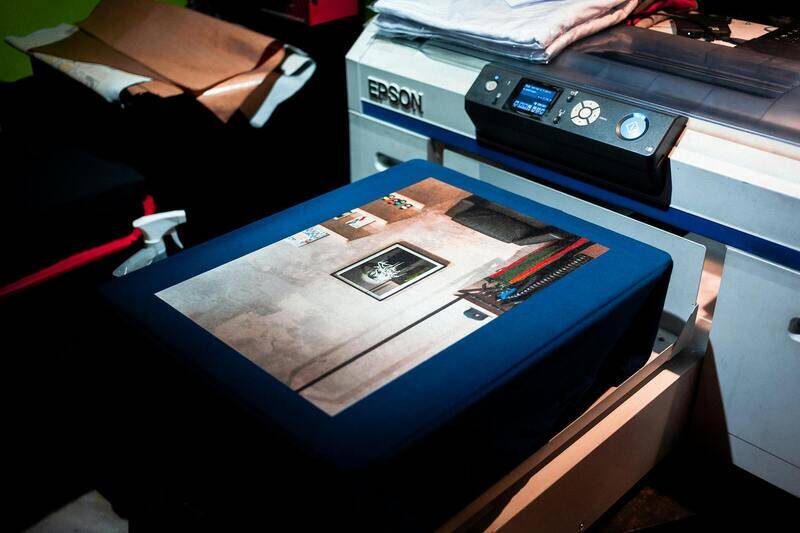
Direct-to-Garment printing is specialized for textile applications, allowing for high-quality, full-color designs on apparel. This technology involves spraying pigment-based inks directly onto fabric, which are then absorbed by the fibers, resulting in detailed, soft prints that are washable and durable. DTG is particularly effective for short runs, one-off custom designs, and promotional apparel, offering rapid production times and exceptional color fidelity. Innovations in textile inks have made DTG an integral part of personalized branding initiatives, from custom T-shirts to sportswear.
Materials and Substrates Used in Digital Printing
Digital printing services employ a diverse array of materials and substrates, tailored to meet the specific needs of various applications. The versatility of digital printing enables customization across numerous media types, which makes it a preferred method for many businesses seeking high-quality, fast turnaround solutions.
One of the primary substrates is paper, available in standard and specialty types such as textured, recycled, or coated paper, which enhance print durability and visual appeal. Business cards, brochures, and flyers often utilize these substrates for professional presentations. For high-end marketing materials, heavy stock or textured papers add a tactile dimension that enhances brand perception.
Beyond paper, digital printing extends to rigid materials, including acrylic, metal sheets, and PVC boards. These are prominent for outdoor signage, displays, and creative signage projects, thanks to their weather resistance and visual impact. In textile applications, fabric substrates such as cotton, polyester, and blends are predominant, especially with direct-to-garment printing. These fabrics require specific inks that bond effectively with fibers, ensuring durability and washability. Specialty surfaces like wood, glass, and ceramics are also compatible with digital printing technologies, often requiring surface preparation or primer coatings to optimize ink adhesion and prevent smudging or peeling over time.
Factors to Consider When Selecting a Digital Printing Provider
Choosing the right digital printing service hinges on several critical factors that ensure alignment with project requirements and quality standards. It involves a comprehensive review of the provider’s capabilities, technology, and operational practices.
- Print Quality: A provider's ability to deliver sharp images, vibrant colors, and precise details is paramount. High-resolution printing technology, along with professional calibration, contributes significantly to consistent, professional results.
- Range of Substrate Compatibility: Not all providers can handle specialty materials or large-format printing. Selecting a service with diverse substrate support ensures flexibility and the ability to meet unique project specifications.
- Turnaround Time: Fast delivery is crucial for many marketing campaigns or urgent needs. A reliable provider maintains efficient workflows without sacrificing quality, enabling quick production and delivery schedules.
- Cost and Pricing Transparency: Competitive pricing, coupled with clear quotations, helps manage project budgets effectively. Beware of hidden fees or charges for custom substrates or finishes.
- Technical Expertise and Support: Experienced staff who can advise on substrate choices, finishing options, and printing techniques can elevate project outcomes and troubleshoot issues swiftly.
- Environmental Practices: Sustainable processes, including the use of eco-friendly inks and recycling programs, demonstrate a commitment to responsible manufacturing.
When exploring digital printing options, assessing the provider's equipment, expertise, and environmental practices ensures that brands not only achieve visual excellence but also align with broader sustainability goals. This comprehensive approach guarantees that the final product is of the highest standard, meets project specifications, and upholds brand integrity.
Materials and Substrates Used in Digital Printing
Digital printing services offer an extensive range of material compatibility, enabling businesses and individuals to bring their creative visions to life across various substrates. The most common materials include high-quality paper stocks, which are ideal for brochures, business cards, and posters, providing crisp details and vibrant colors. Additionally, fabric materials such as polyester, cotton, and specialized textiles are frequently used for apparel, banners, and soft signage, allowing for durable and visually appealing outputs. Plastics, including vinyl and polypropylene, are popular choices for outdoor signage, menu boards, and promotional displays, thanks to their weather-resistance and longevity. Metals like aluminum and stainless steel are also compatible with digital printing, especially in applications requiring a premium look, such as plaques or decorative panels.

Each substrate presents unique challenges and advantages, necessitating precise adjustments to print settings and processes. For instance, thicker materials or textured surfaces may require specialized printer heads or coating options to ensure proper ink adhesion and color fidelity. High-quality digital printers are equipped with features that facilitate printing on irregular or non-porous surfaces, expanding possibilities for custom projects and specialized applications.
Understanding the properties of different substrates also aids in selecting the appropriate digital printing technique. For example, inkjet-based digital printers excel in printing on a wide range of materials with high resolution, while toner-based digital presses are often utilized for rapid, large-volume production of paper products. The compatibility between the material and the printing technology directly influences the durability, vibrancy, and overall quality of the final product. By evaluating these factors thoroughly, clients can ensure that their chosen substrates align with project objectives, environmental considerations, and budget constraints.
Additional Considerations When Selecting Digital Printing Materials
- Surface Texture: Smooth versus textured surfaces can impact ink adhesion and finish quality.
- Durability: Outdoor versus indoor applications demand different levels of resistance to weather, UV exposure, and wear.
- Environmental Impact: Preference for eco-friendly, recyclable, or biodegradable materials aligns with sustainability goals.
- Finish Options: Matte, gloss, or satin finishes can alter the appearance and tactile experience of printed materials.
Ensuring Material Compatibility for Optimal Results
Partnering with a digital printing service that offers expert guidance on substrate selection can significantly improve output quality. Professional printers assess project requirements and recommend materials and finishes that optimize color vibrancy, sharpness, and longevity. This meticulous approach not only enhances visual appeal but also ensures the final product performs well across its intended environment and usage scenario.
Materials and Substrates Used in Digital Printing
Digital printing services encompass a diverse array of materials and substrates tailored to meet specific project needs. Selecting the right substrate is crucial for achieving optimal print quality, durability, and visual impact. Common materials include various types of paper such as glossy, matte, and satin finishes, along with specialty media like canvas, vinyl, and adhesive-backed stocks. For outdoor applications, weather-resistant substrates such as vinyl and laminated papers are preferred to withstand environmental elements. When printing on textiles, fabrics like polyester and cotton blends are often used to produce vibrant, long-lasting results.
The compatibility between the substrate and the printing technology greatly influences the final outcome. For example, UV digital printing works well on rigid surfaces like wood, metal, and plastic, providing high-resolution images with excellent adhesion. There are also flexible materials suitable for roll-to-roll printing, such as banners and vehicle wraps, which require substrates that combine durability with flexibility.
Factors affecting material choice include:
- Surface Texture: Smooth surfaces facilitate crisp image reproduction, while textured materials can add a tactile dimension but may challenge ink adhesion.
- Durability: Outdoor marketing materials demand weather-resistant and UV-resistant substrates, whereas indoor displays can utilize lighter, more cost-effective options.
- Environmental Considerations: A growing preference for eco-friendly materials has promoted the use of recyclable, biodegradable, and sustainably sourced substrates.
- Finish Options: Matte finishes reduce glare, gloss finishes enhance vibrancy, and satin provides the optimal balance for different visual and tactile effects.
Partnering with a professional digital printing service that offers expert guidance on substrate selection ensures that projects meet desired specifications. These experts assess factors such as environmental exposure, desired aesthetic, and budget constraints to recommend optimal materials and finishes. This detailed approach results in high-quality, durable prints that align with client expectations and use-case requirements.
Materials and Substrates Used in Digital Printing
Choosing the appropriate materials and substrates is fundamental to achieving optimal results in digital printing projects. A variety of substrates are utilized, each tailored to specific applications, durability requirements, and aesthetic preferences. Attention to these factors ensures that prints not only look impressive but also withstand environmental conditions and fulfill functional purposes.
Common substrates include:
- Paper and Cardboard: Widely used for posters, flyers, and business cards. They offer cost-effective options with a broad range of finishes, from matte to gloss, to achieve different visual effects.
- Vinyls: Flexible and durable, vinyl materials are ideal for banners, decals, vehicle wraps, and outdoor signage. They are resistant to water, UV rays, and weather conditions, making them suitable for long-term outdoor use.
- Polyester and Polypropylene Films: These substrates are frequently used for labels, security printing, and technical applications due to their stability and resistance to chemicals and moisture.
- Rigid Surfaces (Wood, Metal, Plastic): Printing on rigid surfaces provides high-resolution images with excellent adhesion properties. Such substrates are common in promotional displays, custom signage, and architectural elements.
- Fabric Materials: Specialized fabrics are used for custom apparel, banners, and textile-based marketing materials. Digital textile printing on fabrics requires compatible inks and precise color management.

The selection process involves considering surface texture, environmental exposure, and desired finish. Smooth, non-porous surfaces facilitate crisp detail and vibrant color reproduction, while textured materials may add a tactile element but could challenge ink adhesion. Durability for outdoor applications demands UV and weather-resistant substrates, whereas indoor materials can prioritize cost and visual appeal. Sustainable options, such as recyclable or biodegradable materials, are increasingly preferred to minimize environmental impact.
A professional digital printing service assesses these factors thoroughly, guiding clients towards materials that meet specific project needs. The right substrate choice impacts not just the print quality but also its longevity and overall effectiveness in the intended environment.
Considerations such as surface compatibility, weather resistance, and environmental sustainability are integral to material selection. Partnering with experienced printing providers ensures that these factors are carefully evaluated, leading to superior results and higher satisfaction with the final product.
Overview of Digital Printing Services
Digital printing services encompass a modern approach to producing high-quality visuals and text directly from digital files onto various substrates. This process enables rapid turnaround times, precise image reproduction, and the ability to produce short runs or even single copies efficiently. Clients ranging from small businesses to large corporations rely on digital printing for diverse needs, including marketing materials, packaging, promotional displays, and personalized products. The technology's flexibility allows for customization at an individual level, making it an ideal solution for targeted campaigns and unique branding efforts. Digital printing eliminates many of the limitations found in traditional methods, such as the need for extensive setup or print plates, thereby reducing costs and lead times. This evolution has expanded creative possibilities and provided businesses with a versatile, scalable printing solution that adapts to dynamic marketing landscapes.
Types of Digital Printing Technologies
Digital printing encompasses several distinct technologies, each suited for specific applications and material compatibilities. The most common types include:
- Inkjet Printing: Utilizes tiny nozzles to spray liquid ink directly onto the substrate. Known for high-resolution output and color vibrancy, inkjet printers are widely used for posters, banners, and fine art reproductions.
- Laser Printing: Employs a laser beam to produce static charges on a drum, attracting toner particles that are then transferred onto the paper. This method offers fast production speeds and sharp text, making it suitable for business documents and direct mail campaigns.
- Electrophotographic (Digital Offset): Combines aspects of traditional offset and digital processes, used mainly for high-volume printing with consistent quality. It is often chosen for commercial magazine and catalog printing.
Each technology has specific advantages concerning color accuracy, material compatibility, and cost-effectiveness, requiring careful consideration when selecting a process for a particular project.
Common Applications of Digital Printing
Digital printing offers versatility across various sectors. Its applications include:
- Personalized marketing materials such as business cards, flyers, and brochures
- Customized packaging and labels for products
- Event signage, banners, and promotional displays
- Interior decor elements, including wall coverings and custom art
- Corporate stationery and branded merchandise
- Textile printing for fashion, upholstery, and banners
Its capacity for producing short runs or unique items makes digital printing particularly attractive for businesses requiring agility and exclusivity in their visual presentation.
Materials and Substrates Used in Digital Printing
The choice of substrate is crucial to achieving the desired print quality and longevity. Common materials include:
- Vinyl: Widely used for banners and decals due to its durability and weather resistance.
- Paper and Cardboard: Suitable for brochures, flyers, and packaging inserts.
- Fabric: Ideal for textiles, apparel, and promotional cloth items, often requiring specialized inks for vibrant, washable results.
- Rigid Surfaces: Materials such as foam board, acrylic, aluminum, and wood used for signage and displays.
Determining the right substrate involves assessing factors like surface texture, environmental exposure, desired aesthetic, and durability requirements. Optimizing substrate compatibility enhances print quality, ensures longevity, and aligns with sustainability objectives, especially when eco-friendly or recyclable materials are chosen.
Benefits of Choosing Digital Printing Services
Opting for digital printing provides numerous advantages, including:
- Speed and Efficiency: Rapid turnaround times from file submission to finished product.
- Cost-Effective for Short Runs: Eliminates the need for costly plates and setup, making small quantities economically viable.
- High Customization: Allows for variable data printing, enabling tailored messages or images on individual items.
- Exceptional Quality and Detail: Produces sharp images with vibrant colors and smooth gradients.
- Versatility in Substrate Selection: Supports a wide range of materials, broadening creative possibilities.
- Reduced Waste: Digital workflows produce minimal excess material, supporting environmentally conscious practices.
These factors collectively contribute to a flexible, cost-effective, and high-quality printing solution suitable for diverse marketing and branding strategies.
Factors to Consider When Selecting a Digital Printing Provider
Choosing the right partner involves examining various attributes and capabilities:
- Technology Compatibility: Ensure the provider uses advanced printing technologies aligned with your project requirements, whether it’s for high-resolution images, flexible substrate options, or quick turnaround times.
- Material Expertise: A reputable service should have experience working with a broad array of materials, including eco-friendly options, and offer guidance on the best substrates for your needs.
- Color Management and Quality Control: Look for providers with robust color calibration and quality assurance processes to guarantee vibrant, consistent results.
- Environmental Policies: Consider providers who adopt sustainable practices, such as using biodegradable inks and recyclable materials, aligning with corporate responsibility goals.
- Turnaround and Delivery Capabilities: Confirm that they can meet your deadlines without compromising quality, especially for time-sensitive projects.
- Customer Support and Consultation: Partner with a provider who offers expert advice throughout the process, from material selection to final delivery, ensuring your vision is fully realized.
- Pricing Transparency: Transparent quotes and detailed service descriptions help you assess value and avoid unforeseen costs.
Environmental Impact and Sustainability in Digital Printing
As the demand for high-quality printing solutions grows, the environmental implications of digital printing practices take on greater significance. Justprintcard.net prioritizes eco-friendly methods, leveraging cutting-edge technologies that minimize waste and reduce resource consumption. Digital printing's precise application of ink and toner allows for targeted use of materials, significantly decreasing excess waste compared to traditional printing methods.
One of the key environmentally conscious practices employed is the utilization of biodegradable and water-based inks. These eco-inks not only diminish volatile organic compound emissions but also ensure that printed materials are safer for both consumers and the environment. Recyclable substrates, such as sustainably sourced paper, biodegradable plastics, and other recyclable materials, form a core component of eco-friendly digital printing projects.
Furthermore, digital printing inherently supports on-demand production, which allows businesses to print only the quantities needed, effectively reducing overproduction and associated waste. This approach aligns well with sustainable supply chain practices, contributing to a substantial reduction in carbon footprint.
Innovations in digital hardware also foster sustainability. Many devices operate with energy efficiency in mind, consuming less power and incorporating features such as automatic standby modes. This energy-conscious design minimizes environmental impact over the lifecycle of printing equipment.
The integration of digital workflows facilitates a leaner process, decreasing reliance on harmful chemicals and volatile solvents used in older printing techniques. Digital printing's compatibility with environmentally certified materials and inks embodies a commitment to sustainable development.
In addition to material choices and operational efficiencies, digital printing providers increasingly adopt responsible disposal and recycling programs for used consumables and waste products. These initiatives help close the loop by ensuring that waste does not end up in landfills or pollute ecosystems.
For businesses aiming to uphold corporate social responsibility while maintaining high-quality branding materials, selecting a digital printing service that emphasizes sustainability is crucial. Such providers not only deliver excellent visual outcomes but also support environmentally conscious practices, which are becoming an integral part of a company’s reputation and stakeholder trust.