Overview of Digital Poster Printing
Digital poster printing has revolutionized the way visual content is produced and disseminated across various industries. It serves as a powerful communication tool, enabling businesses, event organizers, and marketers to deliver compelling messages through vibrant, high-resolution visuals. Unlike traditional printing methods, digital poster printing offers flexibility, speed, and cost-efficiency, making it an ideal choice for both large scale campaigns and short-term projects.
This technology utilizes digital file inputs directly from computers, allowing for rapid turnaround times without sacrificing quality. The process eliminates the need for large-scale setups like plate creation, which are characteristic of offset printing. As a result, digital poster printing enables customized, on-demand production with remarkable precision. Its ability to produce detailed, color-rich images helps brands stand out in crowded environments, whether in retail spaces, trade shows, or outdoor advertising.
Furthermore, digital poster printing supports variable data printing, which means each poster can contain unique content tailored to specific audiences or locations. This feature significantly enhances targeted marketing strategies, providing businesses with a competitive edge. In addition, digital printing technologies are continuously evolving, offering higher resolutions, broader color gamuts, and compatibility with diverse substrates, thus expanding creative possibilities.
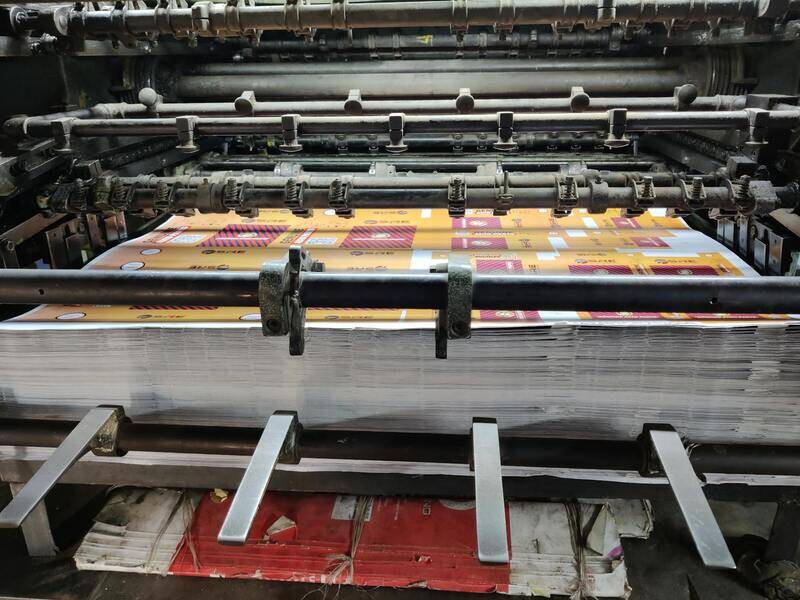
Compared to traditional techniques such as screen printing or lithography, digital poster printing demands less setup time and allows for quick modifications and updates. This flexibility is essential in today’s fast-paced marketing landscape, where timely responses and fresh visuals can influence consumer engagement. As digital infrastructure advances, businesses increasingly rely on digital poster printing to meet their branding and promotional goals efficiently and effectively.
Materials and Substrates for Digital Posters
Choosing the appropriate materials and substrates is a crucial aspect of digital poster printing, as it directly influences the final appearance, durability, and functionality of the poster. Digitally printed posters are compatible with a wide array of substrates, enabling versatility to meet different advertising needs and environmental conditions.
Common substrates include paper, fabric, vinyl, canvas, and rigid materials such as foam board or Dibond. Each material offers distinct advantages tailored to specific applications. For example, gloss or matte paper is ideal for indoor displays where high-quality detail and color accuracy are priorities. Vinyl and mesh fabrics are popular for outdoor advertising due to their weather resistance, flexibility, and durability. Canvas, with its textured surface, provides an artistic touch suitable for gallery displays or premium branding.

In selecting materials, factors such as exposure to sunlight, humidity, and interaction with the audience are considered. For outdoor digital posters, UV-stable and waterproof substrates ensure longevity and consistent visual impact over time. Conversely, indoor posters may emphasize high-resolution printing and color vibrancy without the need for weather-resistant features.
Advances in digital printing technology now allow for printing on unconventional materials, including transparent acrylics, metallic surfaces, or textured textiles, broadening creative opportunities. The compatibility of these substrates with various digital inks, such as UV-curable, solvent-based, or latex inks, also dictates the quality and durability of the final product.
Moreover, environmentally-conscious options like recyclable or biodegradable materials are gaining popularity among businesses aiming to reduce ecological footprints. Selecting the right materials not only enhances aesthetic appeal but also ensures the poster's performance aligns with location-specific demands, longevity expectations, and sustainability goals.
Overview of Digital Poster Printing
Digital poster printing has emerged as a vital component in modern visual communication, offering businesses and organizations an efficient way to produce vibrant, high-resolution displays tailored to diverse environments. Its flexibility allows for quick turnaround times, customization, and cost-effectiveness, making it a preferred method for advertising, event promotion, and informational displays. The process involves digitally transferring images directly onto various substrates using advanced printing technologies, ensuring precise color reproduction and intricate detail. This technology enables the creation of posters that can be tailored to specific dimensions, designs, and functional requirements, providing a compelling visual experience that captures audience attention effectively.

Furthermore, digital poster printing supports a wide range of substrates, including flexible materials like vinyl and fabric, as well as rigid surfaces such as foam boards and metal sheets. This versatility empowers users to develop posters suited for both indoor and outdoor applications, withstanding environmental elements depending on the selected materials. Overall, the adaptability and rapid execution of digital poster printing make it an indispensable tool in contemporary marketing and communication strategies.
Types of Digital Poster Printing Technologies
The effectiveness and final appearance of digital posters rely heavily on the technology employed during printing. Several advanced methods are used, each with unique advantages tailored to specific project needs. The most prevalent technologies include:
- Solvent and Eco-Solvent Printing: Known for their durability, solvent-based inks provide excellent adhesion to non-porous surfaces like vinyl and banners, making them suitable for outdoor advertising. Eco-solvent variants reduce environmental impact while maintaining high quality.
- UV Printing: Utilizes ultraviolet light to cure inks instantly on various surfaces, including acrylics, metals, and textured fabrics. This technique produces highly vivid images with excellent scratch and chemical resistance, ideal for both indoor and outdoor displays.
- Latex Printing: Employs water-based inks that offer vibrant color reproduction and flexibility. Latex printing is recognized for its eco-friendliness and ability to produce weather-resistant posters suitable for outdoor use.
- Dye Sublimation: Primarily used for fabric materials, dye sublimation produces rich, seamless images with exceptional color gradation. It is commonly used in producing fabric-based displays or banners.

Choosing the appropriate printing technology depends on factors such as the desired longevity, environmental exposure, substrate compatibility, and budget considerations. Advanced digital printers now offer multi-process capabilities, allowing seamless switching between different inks and surfaces, thereby expanding creative possibilities.
Materials and Substrates for Digital Posters
In digital poster printing, selecting the right material is crucial for achieving optimal visual impact and durability. Various substrates serve different purposes, aligning with the specific needs of indoor, outdoor, or specialty displays. Notable options include:
- Vinyl: A versatile, weather-resistant material often used for outdoor posters and banners due to its durability against elements like wind, rain, and UV exposure.
- Fabric and Textile: Ideal for indoor displays, fabric substrates provide a textured, elegant appearance. They are also suitable for large-scale, lightweight applications such as trade show backdrops.
- Rigid Boards: Materials such as foam board, PVC, or acrylic serve well for structured displays, signage, or point-of-purchase posters requiring rigidity and stability.
- Specialty Materials: Metallic surfaces, transparent acrylic sheets, or textured textiles open up creative avenues for innovative visual effects and tactile experiences.
Engineers and designers consider environmental exposure, print durability, and aesthetic preferences when choosing substrates. For outdoor environments, UV-stable and waterproof materials extend the lifespan of posters, ensuring consistent visual impact over time.

Proper substrate selection also enhances compatibility with digital inks, ensuring color fidelity and resistance to fading or damage. This careful alignment between material and technology guarantees the production of vibrant, durable, and visually appealing posters tailored to specific application environments.
Technical Aspects of Digital Poster Printing
Achieving superior print quality hinges on a delicate balance of numerous technical factors, including color management, resolution, and media handling. Digital poster printing benefits significantly from precise calibration of printers, ensuring consistent color output and sharp imagery across batches. Color management tools like ICC profiles enable printers to achieve excellent color fidelity, matching digital artwork to physical output, which is crucial for maintaining brand integrity and visual consistency.
Resolution is another cornerstone of high-quality poster printing. Ideally, files should be prepared at a resolution of at least 300 DPI for signs viewed up close or from a short distance, such as in retail or event settings. Higher resolutions produce finer details and smoother gradations, which are vital for intricate graphics and photographic images. Appropriately adjusted layout grids and bleed margins prevent unwanted white borders or cropping, maintaining the design’s integrity when printed.
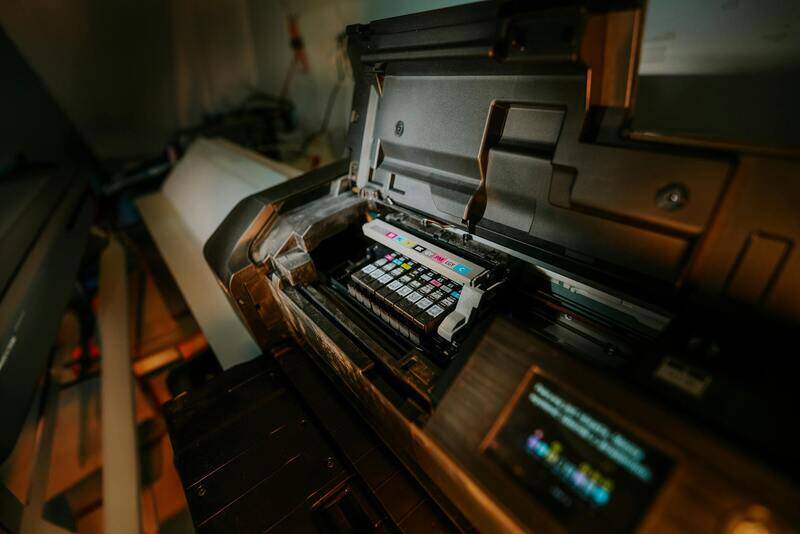
Optimal print settings, including ink coverage and drying times, are key to avoiding issues like smudging or color bleeding. Correct media handling and feed mechanisms further ensure that posters are printed free of distortions or misalignments. Through diligent maintenance and calibration of digital printing equipment, businesses can consistently produce posters that meet exacting standards of vibrancy and durability.
Applications of Digital Poster Printing in Singapore
Digital poster printing has become an integral component of visual communication strategies across various sectors in Singapore. Its versatility allows for high-impact advertising campaigns that can be customized with rapid turnaround times, making it ideal for dynamic markets where trends shift quickly. Retail establishments leverage digital posters to promote sales, new product launches, or seasonal offers, providing vibrant visuals that attract immediate attention from passersby. Event organizers utilize digital posters for promotional displays, signage, and wayfinding materials, ensuring clear and engaging information dissemination.
In the corporate realm, digital posters serve as effective tools for branding, internal messaging, and corporate event promotions. The ability to quickly update content means businesses can keep their messaging timely and relevant, whether for product launches, motivational campaigns, or safety notices. Moreover, property developers and real estate agencies are increasingly adopting digital posters to showcase property features and development plans with high-resolution images and appealing designs.

The adaptability of digital poster printing extends to its use in public spaces and urban decor, contributing to vibrant cityscapes and artistic initiatives. The method’s scalability and precision facilitate the production of large-format posters with crisp detailing, making them suitable for both temporary campaigns and long-term installations. As Singapore continues to emphasize innovative advertising and visual storytelling, digital poster printing remains a crucial element in the arsenal of marketing and communication tools.
Overview of Digital Poster Printing
Digital poster printing has revolutionized the way visual communications are produced, offering a versatile platform for creating eye-catching promotional materials. This method allows for high-quality, full-color images to be printed directly onto various substrates, enabling businesses and organizations to deliver their messages with clarity and impact. The accessibility and speed of digital printing make it an ideal choice for both short-term campaigns and long-term displays, providing flexibility that traditional methods often cannot match.
Types of Digital Poster Printing Technologies
Modern digital poster printing employs several advanced technologies designed for precision and efficiency:
- Inkjet Printing: The most common digital poster printing technique, inkjet printers deposit tiny droplets of ink onto substrates, producing vibrant, highly detailed images suitable for indoor and outdoor applications.
- Electrophotography (Laser Printing): Utilizing toner-based systems, laser printers deliver sharp images at higher speeds, ideal for bulk production of posters requiring consistent quality.
- UV Printing: This method involves curing UV-sensitive inks instantly upon printing, allowing for printing on non-porous materials and creating durable, weather-resistant posters.
Materials and Substrates for Digital Posters
The choice of material significantly influences the durability and visual appeal of digital posters. Common substrates include:
- PVC Vinyl: Durable and weather-resistant, suitable for outdoor signage and long-term installations.
- Backlit Film: Designed for illuminated displays, ensuring luminous and vibrant visuals.
- Polyester and Polyester Mesh: Used for high-end indoor posters or banners requiring structural flexibility.
- Paper and Fine Art Canvas: Ideal for indoor displays where texture and finish are prioritized.

Design and Resolution Considerations
Design plays a crucial role in digital poster printing, with high-resolution images being essential for sharpness and clarity. For optimal results, images should be prepared at a minimum of 150-300 DPI, depending on the viewing distance. Larger formats necessitate careful attention to scaling to prevent pixelation or blurriness. Color management is equally important; utilizing color profiles and calibrated monitors ensures color consistency between the design and the printed poster.
Applications of Digital Poster Printing in Singapore
In Singapore, digital poster printing is widely adopted across various sectors due to its adaptability and visual impact. Businesses leverage it for:
- Retail: Promoting sales, new product launches, and seasonal campaigns with vibrant, attention-grabbing displays.
- Events: Creating promotional signage and engaging backdrops for conferences, festivals, and community activities.
- Corporate: Internal communications, branding initiatives, and event promotions that require quick updates and high-quality visuals.
- Real Estate: Showcasing property features and development projects with high-resolution, attractive imagery.

Benefits of Digital Poster Printing
Digital poster printing provides numerous advantages, including rapid turnaround times that meet tight marketing deadlines. The ability to produce large-format prints ensures comprehensive visual coverage, while vibrant color reproduction captures attention effectively. Cost efficiency becomes apparent especially in small or medium runs, eliminating the need for expensive setup fees associated with traditional offset printing. Moreover, the flexibility in design and material selection allows for customization tailored to specific campaign objectives.
Overview of Digital Poster Printing
Digital poster printing has revolutionized how visual communications are produced, offering high-resolution, customizable, and rapid output options suitable for a variety of applications. Unlike traditional methods, digital printing directly transfers digital images onto substrates using advanced inkjet or laser technology, eliminating the need for plates and enabling on-demand production. This approach ensures vibrant color reproduction, sharp details, and flexibility in size and design modifications, making it an essential component of modern marketing and communication strategies.

Types of Digital Poster Printing Technologies
Several innovative technologies underpin digital poster printing, each suited to different needs based on speed, quality, and substrate compatibility. The most prevalent include:
- Inkjet Printing: Widely used for its ability to produce detailed images with a broad spectrum of colors, inkjet technology is ideal for large-format posters on various media types.
- Laser Printing: Known for high speed and precision, laser printers are often employed for short-run posters that require crisp text and graphics on coated or specialty papers.
- Solvent and Eco-Solvent Printing: Utilizing solvent-based inks, this technology excels in producing weather-resistant, durable posters suitable for outdoor display.
- UV Printing: This method employs ultraviolet light to cure inks instantly upon contact with substrates, enabling printing on non-traditional materials such as acrylic, glass, or metal, offering unique aesthetic possibilities.
Materials and Substrates for Digital Posters
The choice of materials significantly impacts the durability, appearance, and application of printed posters. Common substrates include:
- Paper and Poster Boards: Standard options for indoor displays, available in different thicknesses and finishes to enhance color vibrancy and surface tactile qualities.
- Suitable for outdoor signage due to their weather-resistant properties, making them ideal for advertising banners and directional signs.
- Backlit Films: Designed for illuminated displays, creating vivid visuals that stand out in low-light environments.
- Acrylic and Metal Panels: Used for high-end, durable signage that demands a sleek, modern aesthetic, often seen in corporate branding.

Design and Resolution Considerations
Effective digital posters rely on meticulous design and appropriate resolution settings. To ensure clarity and sharpness:
- Maintain High Resolution: A minimum of 300 dpi is recommended for large-format posters to avoid pixelation, especially for close viewing distances.
- Use Accurate Color Profiles: Embedding color profiles such as Adobe RGB or sRGB ensures consistent color output across devices and print runs.
- Optimize File Formats: Save designs in lossless formats like TIFF or PDF to preserve quality during printing.
- Consider Viewing Distance: Larger posters meant for outdoor or distant viewing can have lower resolutions without compromising perceived quality.
Particularly in Singapore's competitive markets, ensuring visual impact through high-resolution images and precise color management boosts campaign effectiveness.
Applications of Digital Poster Printing in Singapore
Digital poster printing is integral to many industries within Singapore, facilitating vibrant and impactful visual communications. Key sectors include:
- Retail and Commercial Spaces: For promotional campaigns, window displays, and point-of-sale advertising that capture attention and drive customer engagement.
- Events and Exhibitions: Custom backdrops, banners, and directional signage that enhance branding and attendee experience.
- Corporate Communications: Internal signage, motivational posters, and event promotions that prompt quick updates and visually appealing displays.
- Real Estate: High-resolution property showcase posters that highlight features attractively, facilitating quicker engagements and inquiries.

Benefits of Digital Poster Printing
Choosing digital poster printing offers distinct advantages for Singaporean businesses and organizations looking to optimize their visual communication strategies. These benefits include:
- Rapid Turnaround: In-house digital printing enables same-day or next-day production, critical for time-sensitive campaigns.
- Cost-Effectiveness: Eliminates setup fees associated with traditional printing methods, making it ideal for small and medium-sized batches.
- Flexibility and Customization: Facilitates easy updates to designs, sizes, or materials without significant additional costs.
- Vivid Visuals: Advanced ink technology ensures bright colors and fine details, capturing attention effectively.
- Sustainable Practices: Compatibility with eco-friendly inks and substrates contributes to environmentally conscious campaigns.
Maintenance and Quality Control
Ensuring the longevity and visual clarity of digital posters necessitates a robust maintenance routine and stringent quality control measures. Proper maintenance of printing equipment includes regular calibration and cleaning to prevent accumulation of ink residues and dust, which can compromise print quality. Utilizing high-quality inks and substrates compatible with the printer technology also minimizes issues such as color fading or peeling over time. Quality control begins with pre-press checks, where digital files are scrutinized for resolution, color accuracy, and proper formatting to prevent defects. During the printing process, continuous monitoring for color consistency and registration ensures each poster meets established standards. Post-print inspection involves examining printed posters for any imperfections, such as smudges, streaks, or color inconsistencies. Implementing standardized protocols for handling, curing, and storage further preserves the integrity of the posters. This meticulous approach is critical for maintaining high standards, especially for businesses and organizations that rely on visually impactful advertising materials. Furthermore, digital poster printing facilities often invest in advanced color management systems and environmental controls, such as temperature and humidity regulation, to optimize the printing environment. Training staff regularly on best practices for handling and finishing printed posters also enhances overall quality assurance. Routine maintenance combined with comprehensive quality control guarantees that every digital poster leaving the production facility aligns with client expectations, ensuring compelling visual communication that endures over time.