Types of Professional Printing Services
Professional printing services encompass a diverse range of printing solutions tailored to meet various business and personal needs. From high-volume production runs to custom, small-batch projects, these services leverage advanced technologies to deliver high-quality results. The primary types include digital printing, offset printing, large format printing, and specialty printing, each suited for specific applications and project requirements.

Digital Printing
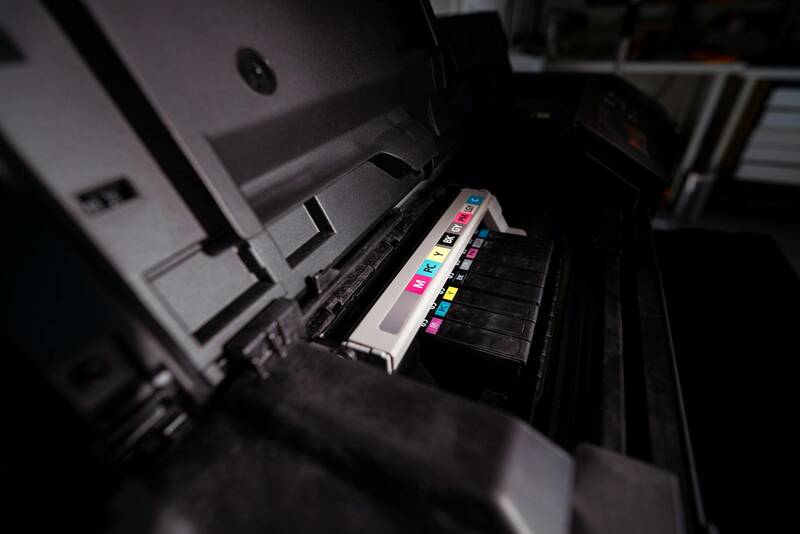
Digital printing is renowned for its speed, flexibility, and cost-efficiency, especially for short runs or personalized items. It involves directly transferring digital files onto media using high-tech inkjet or laser printers. This method allows for quick turnaround times, minimal setup, and the ability to make real-time edits, making it ideal for personalized stationery, business cards, and short-run marketing materials.
Offset Printing
Offset printing is a traditional process that is highly effective for large quantities of printed materials. It employs metal plates to transfer ink onto rubber blankets, which then print onto the final media. This technique offers superior color accuracy, high-definition detail, and consistent quality, making it the preferred choice for printing magazines, catalogs, packaging, and other bulk projects.
Large Format Printing
This category caters to the production of oversized prints such as banners, posters, trade show graphics, and vehicle wraps. Large format printing utilizes wide-format printers that can handle massive media sizes with high resolution, ensuring clarity and vibrant color reproduction for impactful visual displays.
Specialty Printing
Specialty printing involves customized techniques such as foil stamping, embossed printing, textured finishes, and transparent or metallic inks. These services enhance the aesthetic appeal of products and are often used for branding, premium packaging, and artistic projects that require unique visual effects.
Summary
Understanding the different types of professional printing services helps clients select the optimal method for their specific needs. Whether it’s the quick turnarounds of digital printing, the high-volume consistency of offset, the eye-catching visuals of large format, or specialized finishes for branding, each method plays a vital role in delivering high-quality printed results.
Material and Finish Options
Selecting the appropriate materials and finishes is crucial in achieving the desired aesthetic and durability for printed products. Professional printing services offer a wide array of options that cater to different needs and preferences. Common materials include high-quality paper stocks, laminated surfaces, and synthetic alternatives that withstand exposure to weather or handling. For specialty projects, options such as textured papers, matte or gloss coatings, and soft-touch finishes are available to add tactile appeal and visual sophistication.
The choice of finish significantly impacts the final look of the product. Matte finishes minimize glare and give a subdued, elegant appearance, ideal for luxury branding and understated marketing collateral. Gloss finishes enhance vibrancy and sharpness, making colors pop and images stand out, which is suitable for promotional materials and high-impact displays. Additionally, specialty finishes such as spot UV coating or metallic foil application can create eye-catching accents that elevate the perceived value of the printed piece.
Benefits of Professional Printing Over DIY Methods
Outsourcing printing projects to reputable service providers offers numerous advantages over DIY approaches. Professional printers utilize advanced equipment capable of producing consistent color matching, sharp details, and uniform quality across large quantities. This level of precision is difficult to replicate with standard office printers, especially when dealing with complex designs or specialized finishes.
Moreover, professional printing services have access to a variety of premium materials and finishing techniques, enabling clients to achieve unique textures and effects that are not feasible in a home setting. The expertise of seasoned technicians ensures that color accuracy, registration, and alignment are meticulously managed, leading to polished and professional-looking results.
Additionally, outsourcing reduces time and resource expenditure. Large-volume projects are completed quickly without the need for significant investment in high-end equipment or raw materials. This efficiency allows businesses to meet tight deadlines and focus on other core activities while ensuring the quality of their printed assets.
Types of Professional Printing Services
When selecting a printing partner, understanding the various types of professional printing services available is essential. Each service is designed to cater to specific needs, project scopes, and desired outcomes, ensuring that clients receive tailored solutions that align with their objectives.
Offset Printing
Offset printing is a traditional method renowned for its high-quality output and cost-effectiveness in large-volume projects. It utilizes metal plates to transfer ink onto a rubber blanket, which then presses the image onto paper. This process excels in producing crisp details, accurate color reproduction, and consistent results across thousands of copies. Offset printing is ideal for producing business brochures, catalogs, multi-page magazines, and other bulk print materials where uniformity and high quality are paramount.
Digital Printing
Digital printing leverages digital files directly onto various substrates without the need for plates. It is highly flexible, allowing for quick turnaround times and customization options. This method is suitable for short runs, personalized marketing materials, and projects requiring rapid production, such as flyers, business cards, and personalized invites. Digital printing also offers the advantage of variable data printing, enabling customization of each piece within a print run.
Large Format Printing
Designed for oversized prints, large format printing is commonly employed for banners, posters, trade show displays, and wall graphics. It uses specialized wide-format printers capable of producing high-quality images on a variety of large substrates, including vinyl, fabric, and canvas. This service ensures vibrant colors and sharp details, making it perfect for promotional displays and environmental branding efforts.
Screen Printing
Screen printing involves creating a stencil or mesh to apply ink onto the surface of a substrate, predominantly used for textiles, apparel, and promotional items. It offers durability and vibrant colors, especially for bulk manufacturing of T-shirts, tote bags, and signage. While it is more time-consuming for intricate designs, it remains a favorite for custom merchandise and high-volume textile printing.
Specialty Printing
This category includes a range of techniques designed to achieve unique visual effects and textures. Examples are foil stamping, embossing, debossing, UV coating, and die-cutting. These services elevate printed materials, making them stand out with tactile enhancements, metallic accents, or intricate die-cut shapes. Specialty printing is often employed for premium packaging, luxury invitations, and branded corporate materials that demand an elevated aesthetic.

Factors Influencing the Choice of Printing Service
- Project Quantity: Higher volumes may benefit from offset printing for cost efficiency, while digital printing is preferable for smaller runs or customization.
- Desired Quality: Offset and large format printers deliver superior image sharpness and color accuracy, ideal for high-end marketing materials.
- Time Constraints: Digital and large format printing typically offer faster turnaround times, suitable for urgent projects.
- Material Compatibility: The range of substrates supported varies across printing types, influencing the final aesthetic and functionality.
- Budget Considerations: Cost-effective options depend on project size and complexity, with digital printing often providing economical solutions for small quantities.
Types of Professional Printing Services
Understanding the diverse range of professional printing services is crucial for selecting the best solution for your projects. Offset printing remains a preferred choice for large-volume jobs, such as magazine production and direct mail campaigns, due to its ability to produce high-quality images with consistent color fidelity at cost-effective rates per unit. Digital printing offers flexibility for short runs, personalized prints, and rapid turnaround, making it ideal for custom marketing materials, event invitations, or small batch orders. Large format printing specializes in creating striking visuals for banners, posters, vehicle wraps, and trade show displays, leveraging wide-format devices capable of high-resolution output across a variety of substrates. Specialty printing techniques, including foil stamping, embossing, UV coating, and die-cutting, enable the addition of tactile elements and metallic accents that elevate the aesthetic appeal of premium packaging, luxury invitations, and branded collateral. Each method is designed to meet specific project requirements, ensuring optimal results in terms of quality, durability, and visual impact.

Common Applications of Professional Printing
Professional printing services are integral to various industries, supporting a broad spectrum of applications ranging from marketing and branding to packaging and event management. Promotional materials such as brochures, catalogs, and business cards rely on precise color matching and high-resolution output to effectively communicate brand identities. Custom signage, including large banners and window graphics, demand durable and vibrant prints that attract attention in outdoor environments. Packaging solutions, whether for retail products, luxury goods, or food packaging, benefit from specialty finishes that enhance tactile appeal and brand differentiation. Corporate event materials like flyers, banners, and invitations require quick turnarounds and high-quality visuals to leave lasting impressions. Additionally, personalized items such as custom T-shirts, tote bags, and corporate gifts utilize digital and textile printing techniques to deliver bespoke content with sharp clarity.

Key sectors leveraging professional printing services include:
- Marketing and Advertising
- Event Planning and Promotions
- Retail and Packaging
- Corporate Communications
- Custom Apparel and Merchandise
Choosing the Right Printing Method
Selecting the appropriate printing technique involves several critical considerations to ensure the final product aligns with your objectives. Volume plays a significant role; offset printing is cost-effective for large quantities due to its print-plate based process, which allows for consistent quality across high volumes. Conversely, digital printing offers versatility for small runs, rapid revisions, and personalized content without the need for lengthy setup times. The type of material or substrate is equally important, as certain methods excel on specific surfaces such as textiles, plastics, or paper stocks. Image quality and color accuracy are paramount for brand consistency; offset and large format printers generally provide superior resolution and color fidelity. If the project requires special finishes, such as embossing, foil accents, or UV coating, selecting a provider with expertise in specialty techniques is essential. Finally, consider turnaround times and budget constraints to ensure the chosen service provider can meet deadlines while aligning with financial expectations.
Material and Finish Options
Choosing the appropriate material and finish is crucial to achieving the desired aesthetic and durability for your printed products. Professional printing services offer a wide range of substrates, including various types of paper, cardstock, vinyl, plastics, and textiles, each suited to specific applications. For instance, high-gloss or matte finishes on cardstock are popular for business cards and brochures, enhancing visual appeal and tactile experience. Specialty materials like textured paper or environmentally friendly options align with sustainable branding efforts, making your materials stand out while aligning with corporate social responsibility goals.
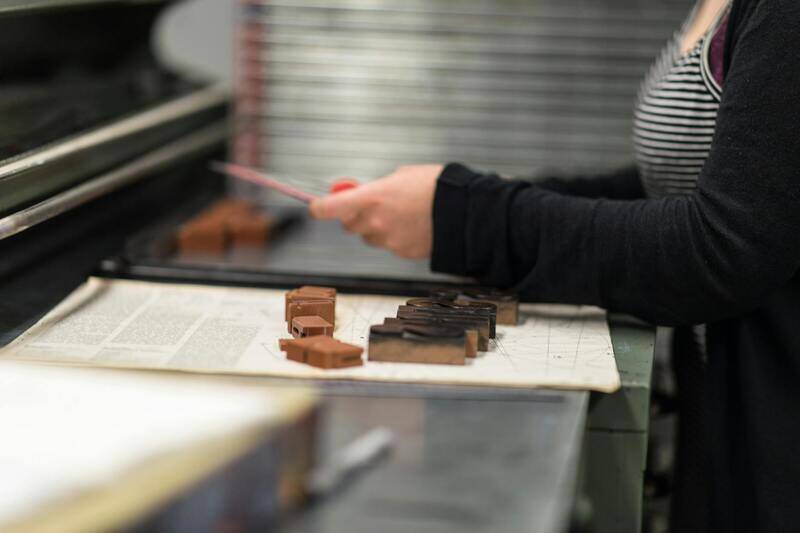
Finish techniques further elevate the quality of printed materials, providing tactile differentiation and visual impact. Laminations protect against wear and tear, UV coatings add gloss or matte effects, and soft-touch finishes create a premium feel. Specialty finishes like embossing and debossing add a three-dimensional quality to logos or design elements, making them pop visually and tactilely. Foil stamping introduces metallic accents, perfect for luxury branding or promotional materials, while UV coating enhances colors and provides resistance against scratches and fingerprints.
Design Compatibility with Finishes
- Corporate Stationery: Matte or gloss finishes on letterheads, envelopes, and business cards to ensure professionalism and durability.
- Marketing Collateral: High-resolution gloss or matte finishes on brochures, catalogs, and flyers to attract attention and communicate quality.
- Packaging: Textured or embossed finishes that complement product branding and appeal visually on retail shelves.
- Event Materials: Spot UV coatings and foil accents on invitations and banners to add elegance and exclusivity.
Matching the correct material and finish to your design intent and usage environment maximizes the impact and longevity of your printed products. Professional printing companies can provide guidance based on experience and technical expertise, helping you select options that align with your goals and expectations.
Factors to Consider When Choosing a Printing Service Provider
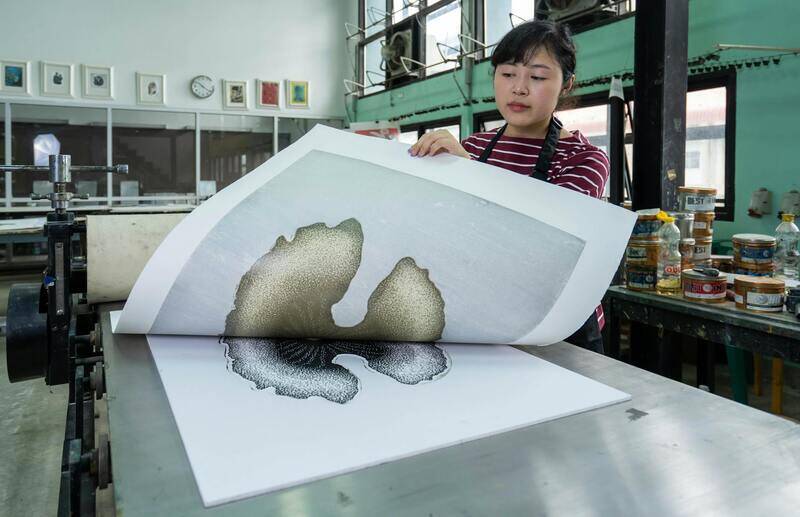
When selecting a professional printing service, evaluating several critical aspects ensures that your project meets quality standards and aligns with your business objectives. Reputable providers demonstrate consistent track records of delivering high-caliber results, reflecting their commitment to excellence and long-term client satisfaction. Client reviews and industry reputation serve as valuable indicators of service reliability, encouraging trust and confidence in the partnership.
Turnaround time is another vital factor. Efficient providers possess streamlined workflows, advanced equipment, and sufficient capacity to meet tight deadlines without compromising quality. Clear communication regarding lead times helps avoid unforeseen delays and ensures your project remains on schedule.
Pricing structures vary across providers; thus, obtaining detailed quotes and understanding the scope of included services prevent unexpected costs. Transparent pricing combined with competitive rates often indicates a provider’s integrity, making it easier to assess value for investment.
Superior customer service encompasses direct communication, responsiveness, and willingness to address inquiries or concerns throughout the process. A dedicated account manager or support team can facilitate smoother project coordination, from initial design to final delivery.
Environmental sustainability is increasingly influential in selecting a printing partner. Providers who adopt eco-friendly practices—such as using recycled materials, environmentally safe inks, and energy-efficient equipment—align with responsible business strategies and can bolster your brand image with environmentally conscious consumers.

Types of Professional Printing Services
Professional printing services encompass a diverse range of options designed to meet various business and personal needs. Common types include offset printing, digital printing, large format printing, and specialty printing. Offset printing remains a preferred choice for high-volume projects, offering cost efficiency and high quality for bulk orders. It involves transferring ink from a plate to a rubber blanket and then onto the printing surface, resulting in crisp and consistent images.
Digital printing, on the other hand, is ideal for short runs and personalized materials. Its quick turnaround time and minimal setup make it a flexible solution for projects such as business cards, flyers, and customized packaging. Large format printing caters to banners, posters, and signage, utilizing wide-format printers to produce vibrant, large-scale visuals suitable for display purposes. Specialty printing includes techniques like embossed, foil stamping, and textured finishes, adding unique tactile qualities to printed materials and elevating branding efforts.

Common Applications of Professional Printing
The applications of professional printing services extend across multiple industries and purposes. Business branding materials such as logos, letterheads, and promotional brochures benefit from high-quality printing that reinforces brand consistency. Marketing campaigns frequently rely on professional print products like flyers, postcards, and banners to attract customer attention and communicate messages effectively.
Event organizers utilize printed invitations, programs, and signage to create memorable experiences. Educational institutions and non-profit organizations often need printed materials such as posters, certificates, and informational brochures. Retail businesses leverage point-of-sale displays, product packaging, and promotional banners to enhance consumer engagement and boost sales.

Choosing the Right Printing Method
Selecting an appropriate printing method depends on several factors including the desired quality, volume, turnaround time, and budget. Offset printing excels in producing large quantities with consistent color accuracy, making it suitable for catalogs and magazine production. Digital printing is preferred for small quantities and quick revisions, such as business cards and personalized promotional items. Large format printing specializes in high-impact visual displays, perfect for outdoor signage and trade show exhibits. When deciding, consider the project scope and specific requirements to determine the most suitable technique.
Material and Finish Options
The choice of materials plays a crucial role in the final appearance and durability of printed materials. Common options include various cardstock weights, gloss or matte finishes, and textured papers. For added impact, finishes such as UV coating, laminates, and foil stamping provide a premium look and increased resilience against wear and tear. Eco-friendly materials are also increasingly prevalent, supporting sustainability initiatives without compromising quality. The material selection should align with brand identity, usage environment, and budget to ensure optimal results.

Benefits of Professional Printing Over DIY Methods
Opting for professional printing services offers significant advantages over self-printing options. Professionals use advanced equipment that ensures precise color matching, sharp image detail, and consistent quality across large batches. They also provide expert guidance on design and material selection, helping to elevate the overall impact of the final product. Turnaround times are often shorter due to specialized workflows, even for complex jobs requiring multiple finishes or large quantities.
Moreover, professional printers can handle complex projects with specialized techniques like embossing or spot UV coating, which are difficult to replicate with standard office printers. This level of craftsmanship results in a polished, high-end appearance that enhances brand perception. Cost-wise, while DIY printing might seem affordable initially, professional services often reduce waste, minimize reprints, and deliver superior results in the long run, making it a more efficient investment.
Factors to Consider When Choosing a Printing Service Provider
When selecting a professional printing partner, evaluating their experience, technology, and customer service is essential. Confirm that the provider has a track record of delivering quality work within your desired timeframe. Advanced equipment and a comprehensive suite of printing techniques ensure that they can accommodate various project requirements. Clear communication and a dedicated support team facilitate smooth collaboration, from design adjustments to delivery.
Additionally, assess their sustainability practices and commitment to eco-friendly processes, which can align with corporate social responsibility goals. Transparent pricing, detailed quotes, and turnaround guarantees help you plan and budget effectively, reducing unexpected costs. Lastly, reviews and references from previous clients provide insights into their reliability, quality, and overall client satisfaction, ensuring you establish a partnership built on trust and professionalism.
Types of Professional Printing Services
Professional printing services encompass an extensive range of methods tailored to meet diverse commercial and personal needs. These include offset printing, digital printing, large format printing, and specialized techniques such as letterpress, embossing, foil stamping, and UV coating. Offset printing remains the preferred choice for large-volume projects due to its cost efficiency and consistent high quality, especially for bulk orders like magazines, brochures, and packaging. Digital printing offers flexibility and speed, making it ideal for short runs, personalized items, or rapid turnaround requirements. Large format printing is essential for creating banners, posters, and signage with vibrant, eye-catching visuals. For applications requiring intricate textures or distinctive finishes, specialized techniques like embossing and foil stamping provide a luxurious tactile element that enhances brand presentation.

Common Applications of Professional Printing
Professional printing services are widely utilized across various industries for purposes including branding, marketing, and corporate communication. Businesses rely on high-quality business cards, brochures, catalogs, and packaging to leave a memorable impression on clients. Event organizers utilize professional banners, posters, and signage to enhance visibility and engagement. Educational institutions print textbooks, flyers, and certificates with clarity and durability. Additionally, professional printing plays a crucial role in creating promotional giveaways, trade show displays, and customized stationery, ensuring consistent brand identity and professional appearance in all printed materials.
Choosing the Right Printing Method
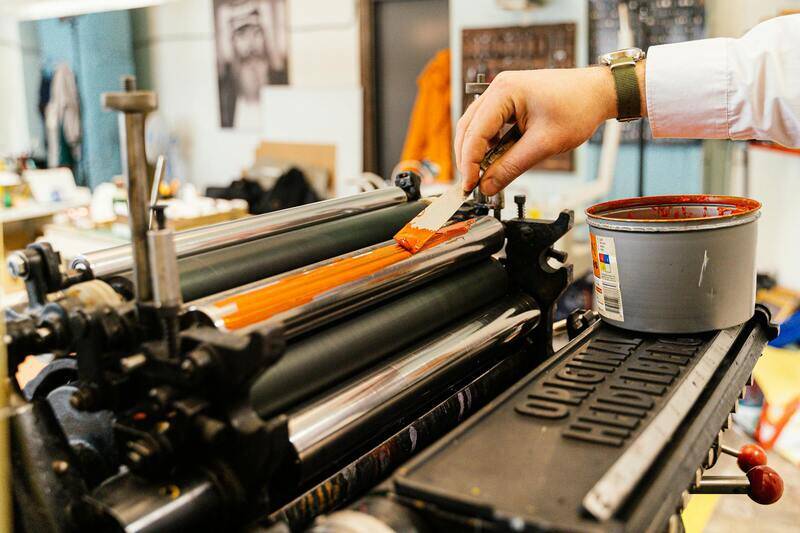
Selecting an appropriate printing technique depends on the project scope, quantity, budget, and desired finish. Offset printing is optimal for large volumes where cost per unit decreases significantly with scale, while digital printing is better suited for short runs or urgent projects due to its speed and minimal setup. For banner and signage needs, large format printing ensures vibrant, large-scale visuals. When aiming for special finishes that add texture and sophistication, techniques like embossing or spot UV coating are highly effective. A professional printing provider can evaluate your requirements and recommend the most suitable method to achieve superior results tailored to your objectives.
Material and Finish Options
The selection of materials and finishes significantly impacts the final appearance and durability of printed products. Common paper options include gloss, matte, uncoated, and textured papers, each offering different tactile and visual effects. For high-end stationery and packaging, heavyweight cardstock or specialty papers such as resume paper or recycled materials are popular choices. Finishes like lamination, soft-touch coatings, foil stamping, and embossing add elegance and protection against wear and tear. Spot UV coating or varnishes can highlight specific design elements, providing contrast and depth. These choices enable customization that aligns with branding goals, ensuring printed materials stand out and sustain their quality over time.

Benefits of Professional Printing Over DIY Methods
Compared to do-it-yourself printing, professional services deliver a markedly higher level of quality, consistency, and customization. Commercial printers utilize advanced equipment capable of precise color matching, sharp details, and complex finishes impossible to replicate with standard home printers. They also provide expertise in paper selection, color management, and finishing processes, ensuring that the final product aligns perfectly with branding standards. Additionally, professional printing minimizes waste and rework, saving time and resources in the long term. The scalability and efficiency of these services mean projects are completed faster, with rapid turnaround times that meet tight deadlines, making them indispensable for business operations and professional presentations.
Factors to Consider When Choosing a Printing Service Provider
When selecting a professional printing partner, it is essential to evaluate their experience, technological capabilities, and commitment to quality. A provider with a proven track record demonstrates reliability and competence in handling diverse project requirements. Assessing their equipment ensures they can meet specific technical specifications, such as color accuracy or special finishes. Customer service quality, including transparent communication, prompt responses, and flexibility, plays a significant role in a seamless collaboration. Sustainability practices are increasingly vital, so understanding their eco-friendly initiatives and material sourcing aligns with responsible business practices. Clear pricing structures, detailed quotes, and guaranteed delivery timelines help in effective planning and budget management. Client references and reviews offer insights into overall satisfaction and operational reliability, assisting in building a trusted partnership.
Cost and Time Efficiency of Professional Printing
Investing in professional printing services often yields considerable savings in time and resources. The use of high-end equipment ensures quick turnaround times for even complex projects, reducing the lead time from concept to delivery. Cost-wise, professional printers optimize resources by minimizing waste and reprints, and they often offer bulk discounts for large volume orders. This efficiency allows businesses to meet tight deadlines without compromising on quality. Additionally, the consistency achieved through professional processes ensures uniformity across multiple print runs, avoiding discrepancies that can occur with inconsistent manual methods. As a result, organizations can focus on core activities while trusting their print communications are handled with precision, consistency, and timeliness.
Related Tags: