Overview of Custom Banner Printing
Custom banner printing stands as a versatile and impactful marketing and communication tool tailored to meet various needs. From promoting products and services to marking special events, personalized banners serve as effective visual displays capable of capturing attention from a distance. These banners are commonly utilized in trade shows, retail promotions, corporate events, concerts, and outdoor gatherings, offering a flexible solution for conveying messages in a bold and memorable way.
The primary purpose of custom banner printing is to create visually striking displays that align with specific branding or messaging objectives. By tailoring size, design, and material, businesses and organizations can craft banners that maximize visibility and reinforce brand identity. The benefits of choosing custom banners extend beyond mere visibility; they include cost-effectiveness, reusability, and the ability to customize content for precise target audiences. High-quality custom banners can withstand various environmental conditions, making them suitable for both indoor and outdoor use.
In addition to their marketing and advertising applications, custom banners are frequently used for event signage, directional guidance, and celebratory displays such as wedding or birthday banners. The capacity to customize each aspect of a banner—size, design, material, finishing—ensures that it effectively serves its intended purpose while maintaining aesthetic appeal. As businesses and event organizers seek to create lasting impressions, the importance of high-quality, well-designed banners becomes undeniable, making custom printing an essential service in the visual communication landscape.

Types of Banners and Their Uses
Choosing the appropriate banner type is crucial for achieving optimal visibility and durability based on the specific setting and purpose. Various banner formats cater to different requirements, environments, and budget considerations, allowing for tailored promotional displays that effectively communicate messages to target audiences.
Retractable Banners
Retractable banners, often seen at trade shows and exhibition halls, feature a compact stand that houses a rolled-up banner. These banners are quick to set up and takedown, making them ideal for events requiring frequent relocations. The retractable mechanism ensures the banner remains smooth and tensioned, providing a professional appearance that captures attention from a distance.
Mesh Banners
Designed with small perforations, mesh banners are perfect for outdoor advertising where wind resistance is essential. Their breathable construction allows wind to pass through, reducing the risk of tearing or damage. Commonly used at construction sites or on large outdoor fences, mesh banners maintain visual clarity while enduring harsh environmental conditions.
Vinyl Banners
Vinyl banners are among the most versatile options, suitable for both indoor and outdoor settings. They offer a durable, waterproof surface capable of withstanding weather elements such as rain and sunlight. Vinyl banners are frequently employed for sale signage, event promotions, and directional displays, thanks to their versatility and resilience.
Fabric Banners
Elegant and premium in appearance, fabric banners are ideal for indoor applications like corporate lobbies, gala events, or retail displays. Their soft texture adds a touch of sophistication, and they are less susceptible to wrinkling compared to vinyl. Fabric banners often feature vibrant dye sublimation printing, producing rich, detailed images that enhance brand aesthetic.
Other Banner Types and Considerations
- Coroplast Signs: Lightweight and inexpensive, often used for short-term outdoor promotions.
- Roll Up Banners: Similar to retractable banners but with a focus on portability and quick setup, suitable for presentations and portable advertising.
- PVC Banners: Thick, sturdy material suitable for large-scale outdoor advertisements, resistant to weathering and impact.
Matching Banner Types with Applications
Each banner type serves a specific purpose based on its features and environmental considerations. Retractable banners excel in temporary indoor displays, offering convenience and portability. Mesh banners excel outdoors where wind resistance is important, while vinyl banners strike a balance between durability and affordability. Fabric banners elevate indoor branding initiatives with their elegant presentation. Recognizing these distinctions ensures that organizations choose the right format to maximize impact and longevity.
Design Considerations for Custom Banners
When developing a custom banner, meticulous attention to design elements is essential to maximize visual impact and message clarity. Selecting the appropriate size ensures the banner is visible and legible from the intended distance, whether for indoor exhibitions or large outdoor events. Larger banners require high-resolution artwork to maintain clarity, avoiding pixelation or blurriness. Color schemes should align with brand identity, using contrasting colors to enhance readability and draw attention. Consistency in branding—including logos, fonts, and color palettes—reinforces recognition and strengthens brand presence.
Another critical aspect involves resolution, which directly affects print quality. For high-quality banners, a minimum of 150 dpi at the final print size is recommended, with 300 dpi preferred for detailed images. This level of detail ensures crisp visuals that convey professionalism and attract viewer engagement. Layout considerations, such as balanced placement of text and images, prevent clutter and facilitate effective communication of promotional messages. Incorporating strategic whitespace allows the design to breathe, making key elements stand out without overwhelming viewers.
To achieve an eye-catching and effective banner, designers should also account for environmental lighting and viewing angles. For outdoor banners, colors that pop in natural light and designs that remain readable from various distances are crucial. Conversely, indoor banners can leverage finer details and subtler color gradations without concern for weather resistance. Consistent branding, clear messaging, and visually appealing design are the cornerstones of a successful custom banner that resonates with audiences and drives engagement.
Materials Used in Banner Printing
Choosing the right material is fundamental to ensuring your banner achieves its intended purpose, providing durability, weather resistance, and visual quality. The most common materials include vinyl, fabric, and eco-friendly alternatives, each offering distinct advantages suitable for various environments. Vinyl remains a popular choice owing to its robustness, weather resistance, and affordability, making it ideal for outdoor displays. It can be printed with vibrant colors using dye sublimation or UV printing techniques, resulting in long-lasting visuals that resist fading and weathering.
Fabric banners, often made from polyester or nylon, deliver a premium look and feel, especially for indoor applications like corporate lobbies and special events. Their soft texture enhances presentation quality, while dye sublimation printing allows for rich, detailed images and vibrant color retention. These banners are also less prone to wrinkling and creasing, offering easy installation and removal. Eco-friendly materials, such as recycled fabrics or biodegradable substrates, are gaining popularity among environmentally conscious organizations, ensuring brands can promote sustainability alongside effective marketing messages.

Printing Techniques for Banners
High-quality printing techniques play a vital role in creating vibrant, durable banners. Dye sublimation is renowned for producing vivid, detailed images on fabric substrates, resulting in a smooth, photo-like appearance that enhances visual storytelling. UV printing utilizes ultraviolet light to cure ink directly onto rigid or flexible surfaces, offering excellent color accuracy and resistance to fading, especially for vinyl and rigid materials.
Latex printing, which employs water-based inks, provides flexibility and environmental benefits, suitable for both indoor and outdoor banners. It offers a wide color gamut, sharp image quality, and the ability to print on a variety of materials, including mesh and fabric. Screen printing, though less common in digital banner production, is still used for large runs of simple designs—especially for high-volume, low-cost banners with limited color palettes. Combining these techniques properly ensures the production of banners that meet specific aesthetic and durability requirements.

Customization Options and Finishing Touches
Customization extends beyond mere size and graphics to include a variety of finishing touches that enhance both aesthetics and functionality. Grommets, for instance, are reinforced metal rings positioned at the edges or corners of banners to facilitate secure hanging and durability, especially in windy outdoor conditions. Hemming and pole pockets provide clean edges and easy attachment points, streamlining installation and reducing wear over time.
Edge reinforcement, such as double-stitched borders, adds strength to prevent tearing or fraying. Additional options such as wind slits or drainage grommets may be incorporated for large outdoor banners to mitigate wind stress. For a polished appearance, heat-cut edges or sewn hems are also available. Special finishes like matte or gloss lamination can be applied for added protection against scratches or UV exposure, prolonging the lifespan of the banner and maintaining visual vibrancy in various conditions.
Pricing, Turnaround Time, and Ordering Process
Understanding the costs involved in custom banner printing is essential for effective project planning. Pricing typically depends on factors such as banner size, material choice, print quality, and additional customization options. Most service providers offer tiered pricing to accommodate various budgets, with larger formats often benefiting from economies of scale. Transparent pricing structures allow customers to evaluate options aligned with their promotional goals.
Lead times vary based on order complexity and volume but generally range from a few days to a week. Many printers provide expedited services for urgent needs, ensuring quick turnaround without compromising quality. Streamlined ordering processes usually involve uploading design files through easy-to-navigate platforms, where specifications and customization options are clearly outlined. Once the order is confirmed, production begins, followed by precise quality checks before dispatch.
Effective communication and detailed specifications are crucial to ensure the final product meets expectations. Customers should confirm material choices, size dimensions, and any added features during the ordering process, with clear approval of proofs or mockups if available. This approach minimizes errors and accelerates delivery timelines, allowing promotional campaigns to proceed smoothly and on schedule.
Materials Used in Banner Printing
Choosing the right material is fundamental to maximizing the visual impact and longevity of custom banners. Vinyl remains the most popular choice due to its versatility, durability, and affordability. It is highly resistant to water, UV rays, and tearing, making it suitable for outdoor displays. Both calendared and cast vinyl types are available, with cast vinyl offering superior conformability and longevity, ideal for complex shapes or long-term outdoor use.
Mesh banners, featuring a perforated surface, are designed for environments where wind passage is important. These banners provide excellent airflow, reducing wind load and potential damage, making them ideal for large outdoor displays or high-traffic areas. Despite their breathability, mesh banners retain vibrant colors and sharp images when printed with high-quality inks.
Fabric banners, often crafted from polyester or other woven textiles, provide a premium, textured appearance suitable for indoor events, trade shows, and storefront displays. The fabric's matte finish reduces glare, ensuring clarity and vividness in various lighting conditions. Their environmentally friendly nature also appeals to clients seeking sustainable options.
Banner paper, while less common for large outdoor advertising, serves well for short-term or indoor applications. It offers an economical solution for temporary displays, signage in retail environments, or event promotions. Its ease of printing and handling make it suitable for quick-turnaround projects.
Printing Techniques for Banners
The quality and durability of custom banners heavily depend on the printing technique employed. Four principal methods are widely used in the industry:
- Solvent and Eco-Solvent Printing: This technique uses solvent-based inks that penetrate the material’s surface, producing vibrant, weather-resistant images suitable for outdoor use. Eco-solvent options are environmentally friendlier, emitting fewer volatile organic compounds (VOCs).
- UV Printing: Utilizes ultraviolet light to cure inks directly onto the banner material. UV printing offers high-resolution, sharp detail, and excellent adhesion even on textured surfaces. It is ideal for both indoor and outdoor displays, with exceptional color retention.
- Sublimation Printing: Primarily used on fabric banners with polyester content, sublimation involves turning dye into gas under heat and embedding it into the fabric. This results in vivid, long-lasting images that resist fading and cracking, especially suitable for indoor banners or fabric displays.
- Latex Printing: A water-based option suitable for various substrates, latex printing offers flexibility, eco-friendliness, and high image quality. It’s a preferred method for banners requiring frequent reinstallation or outdoor exposure due to its durability.
Each technique offers specific advantages regarding image quality, environmental impact, and cost factors. The choice depends on the banner’s intended use, environmental conditions, and budget constraints.
Customization Options and Finishing Touches
Tailoring banners to match branding and campaign objectives involves several customization avenues. These options enhance the overall appeal and functionality of the final product:
- Edge Reinforcements: Double-stitched hems or reinforced borders improve durability and facilitate easy mounting, preventing fraying and tearing over time.
- Grommets and Eyelets: Metal or plastic rings placed at strategic points enable secure hanging and quick installation, especially for large-scale outdoor banners.
- Hems and Pole Pockets: Sealed edges or fabric pockets allow for easy mounting on poles or frames, providing a clean, professional look.
- Additional Finishing: Options like windslits, corner padding, or reflective elements cater to specific environmental conditions and safety requirements.
Printing Techniques for Banners
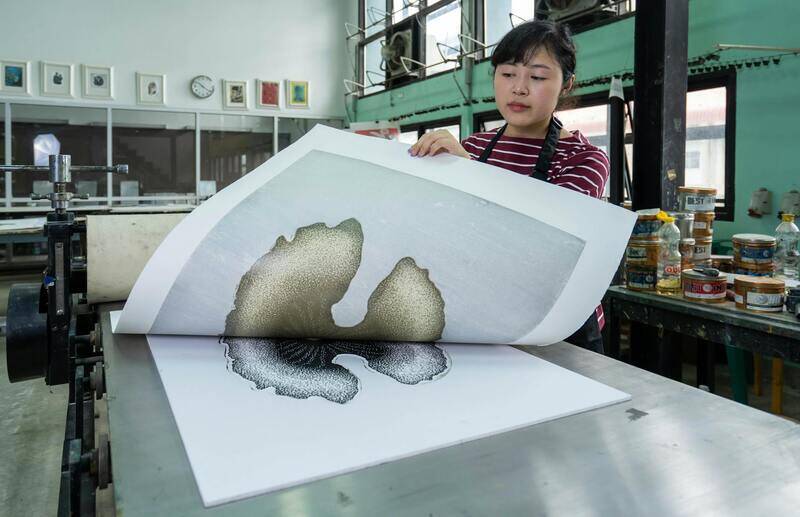
Choosing the appropriate printing method is essential to achieving the desired visual impact and durability of custom banners. Each technique has specific benefits tailored to particular applications, environmental conditions, and budget considerations. Here, we explore principal printing methods used in the industry, focusing on their operational mechanisms, advantages, and ideal usage scenarios.
Digital Printing
Digital printing is the most versatile and widely used method for customizing banners. This technique employs high-resolution inkjet printers that directly apply colorants onto substrates, allowing for vibrant and highly detailed images. Its ability to efficiently handle short runs and produce customized designs makes it a popular choice for promotional banners, event displays, and limited-edition campaigns.
Advantages of digital printing include quick turnaround times, excellent color accuracy, and the capacity for complex, full-color designs. Additionally, digital printers can accommodate a variety of materials, enabling manufacturers to offer diverse options tailored to specific project demands.
Solvent Printing
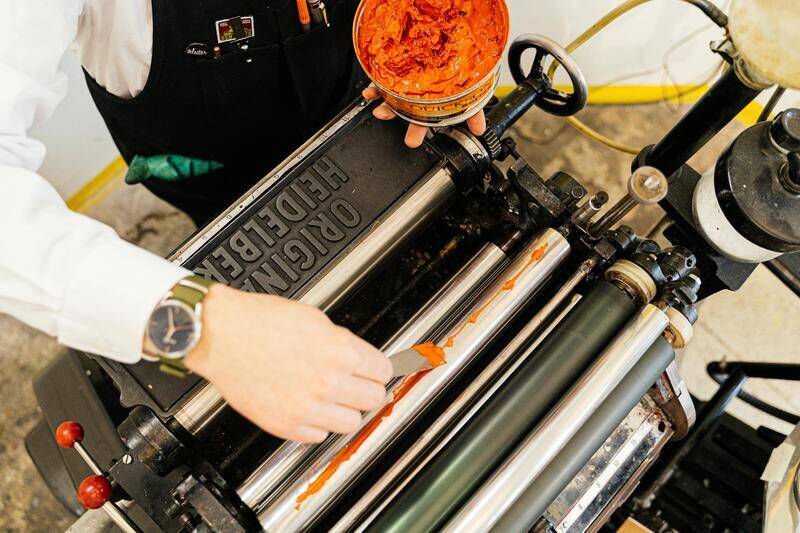
Solvent printing employs solvent-based inks that bond strongly with flexible substrates like vinyl or mesh, resulting in banners that withstand harsh weather conditions. This printing method is particularly suited for outdoor signage due to its excellent resistance to water, UV rays, and wind abrasion.
Compared to digital printing, solvent printing offers superior durability and color vibrancy, albeit with longer drying times and more intense environmental considerations during production. It is often used for large-scale advertising, outdoor banners, and situations where longevity is critical.
UV Printing

UV printing utilizes ultraviolet light to instantly cure the inks on various surfaces, including fabric, vinyl, and rigid substrates. This process allows for sharp image reproduction with superior color fidelity and detailed graphics. UV printing offers the advantage of printing directly onto a wide range of materials without the need for additional coatings or laminations.
It is especially beneficial for creating banners that require fine detail, textured effects, or printing on rigid structures. UV-printed banners are praised for their exceptional durability and vibrant visuals, making them suitable for both indoor and outdoor applications where high-quality imagery is essential.
Considerations for Selecting a Printing Method
- Durability Requirements: Evaluate how long the banner needs to last and the environmental conditions it will face. Solvent and UV printing are preferred for outdoor use due to their resistance to elements.
- Design Complexity: High-resolution, detailed images are best achieved through digital or UV printing.
- Budget Constraints: Digital printing is often more cost-effective for short runs, while solvent and UV methods may involve higher setup costs but deliver longer-lasting results.
- Material Compatibility: The choice may depend on the substrate, with some techniques optimized for specific fabrics or rigid panels.
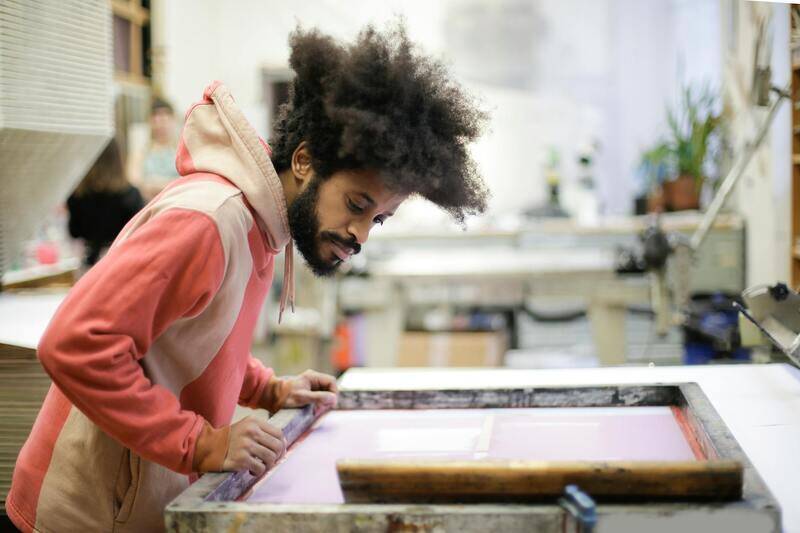
Understanding the unique features of each printing method allows for informed decisions that align with campaign goals, environmental conditions, and budget considerations. Proper selection ensures the production of banners that are visually striking, durable, and cost-efficient over their intended lifespan.
Official Methods for Creating Custom Banners
When planning to produce high-quality custom banners, utilizing official and reputable printing channels is essential. Reliable methods involve engaging with established printing companies that specialize in large-format printing, ensuring consistent results, and offering a range of customization options. These organizations employ state-of-the-art equipment calibrated for color accuracy, clarity, and material compatibility, which guarantees that your banner’s visual impact is maximized. One legitimate approach involves digital printing, which is suitable for short to medium runs with intricate designs requiring vivid colors and fine details. Digital printing offers rapid turnaround times and precise reproduction of complex images, making it ideal for promotional events, trade shows, or branding campaigns. For larger quantities or banners demanding extra durability, UV and solvent printing techniques are highly recommended. These methods use specialized inks that bond strongly with the substrate, providing superior resistance to weather elements, UV rays, and wear over time. Such printing options are preferred for outdoor banners and structures exposed to harsh conditions. Engaging certified printing vendors often guarantees the use of premium-grade materials and ink formulations that meet industry standards. This assurance ensures your custom banner not only looks professional but also maintains its visual appeal for the expected lifespan. Another trusted practice involves selecting vendors that adhere to recognized quality management standards and industry best practices. They typically offer comprehensive consultations to help choose the perfect combination of material, size, and finishings tailored to your specific needs. This collaboration promotes the creation of banners that effectively communicate your message, withstand environmental challenges, and stay within your budget. Considering these official methods means prioritizing transparency about production processes and sourcing materials from reputable suppliers. This approach minimizes the risk of poor quality outputs, delays, or unforeseen issues, providing peace of mind and confidence in your marketing assets. Moreover, reputable providers often feature online configuration tools that enable clients to upload designs, select banner specifications, and preview their order visually. This streamlined process ensures clarity and saves time, as adjustments can be made before production begins. In summary, leveraging verified printing services and techniques ensures you receive a custom banner that aligns with your campaign objectives, maintains durability under varying conditions, and adheres to industry standards for quality and safety.
Official Methods for Custom Banner Printing
When selecting an appropriate approach for custom banner printing, businesses and individuals should focus on partnering with established vendors that utilize verified, professional-grade printing processes. These methods emphasize the use of industry-approved techniques that comply with recognized quality standards, ensuring the final product is vibrant, durable, and precisely matches the designed specifications.
One fundamental step involves choosing providers that employ high-quality printing equipment, such as large-format digital printers capable of producing sharp, detailed images with color accuracy. The use of advanced ink formulations, including solvent, eco-solvent, or UV-curable inks, guarantees vivid and long-lasting colors resistant to fading caused by environmental exposure.
Another critical aspect involves verifying that the printing service sources materials, such as vinyl or mesh backdrops, from reputable suppliers that adhere to strict industry standards. This guarantees the material's integrity, resistance to outdoor elements, and compatibility with the chosen printing method.
Processing in line with transparent production workflows is also essential. Reputable vendors operate with clear documentation and quality control procedures, including inspection protocols at various stages—from design verification to final output—reducing errors and guaranteeing consistency.
To further ensure quality and compliance, reputable vendors often provide detailed product information and certification of materials used. This transparency is crucial for maintaining high standards across all stages of production.
Modern online configuration tools are invaluable for official custom banner printing. They allow clients to upload their designs, select specific banner dimensions, material types, and finishing options, and view real-time previews of the final product. This digital integration minimizes miscommunications and ensures the final banner aligns with expectations before proceeding to production.
Additionally, reputable providers adhere to strict safety standards in their operations, including the proper disposal of waste and environmentally friendly practices, aligning with best practices for sustainable production.
Choosing authorized printing methods not only guarantees superior quality but also fosters trust and confidence in your marketing assets. These procedures emphasize accuracy, durability, and safety, which are essential for creating impactful banners that effectively promote your message across various settings.
Official Methods for Creating High-Quality Custom Banners
To ensure the production of durable, visually striking custom banners, relying on established and reputable printing channels is paramount. These methods are rooted in proven technologies that recognize the importance of maintaining color fidelity, material integrity, and overall presentation quality. When engaging with certified printing facilities, clients benefit from adherence to stringent quality assurance protocols, including thorough pre-press checks, precise color calibration, and multiple inspection stages throughout the manufacturing process.
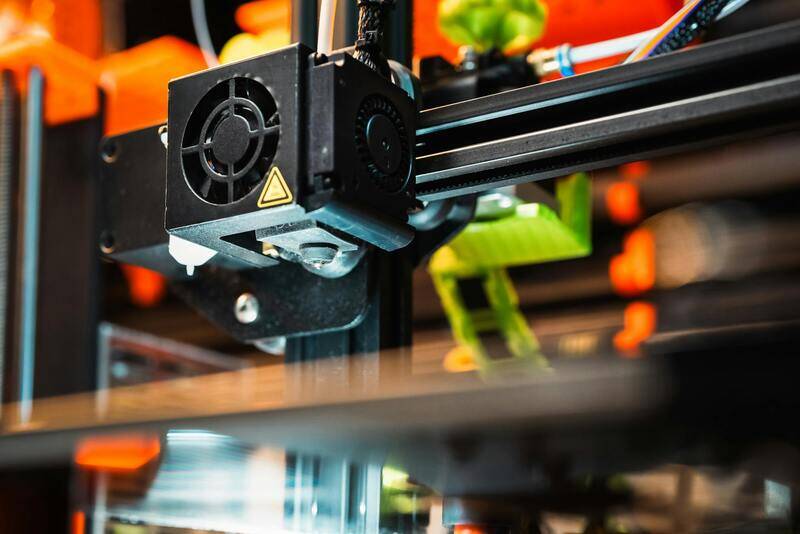
One approach involves working directly with licensed screen printing companies or digital printing specialists who deploy industrial-grade printers. These providers utilize high-resolution inkjet or solvent-based printing systems capable of producing sharp details and vibrant colors that withstand outdoor exposure. Certification of equipment and materials used in these processes assures clients of the banners' resilience and consistency.
Additionally, many authorized vendors employ color management systems and digital proofing tools, allowing for meticulous design verification and minimizing discrepancies before mass production. These safeguards are crucial in achieving accurate reproduction, especially when reproducing complex graphics or brand-specific color schemes.
Verification and Quality Control Procedures
- Pre-production design review and approval
- Color calibration and test prints
- On-site inspection during printing
- Final quality checks prior to shipment
Such comprehensive oversight ensures that every banner delivered meets high standards and aligns with the original specifications. Transparency throughout the process fosters confidence, as clients can review material certifications and detailed product descriptions provided by the printing vendor.
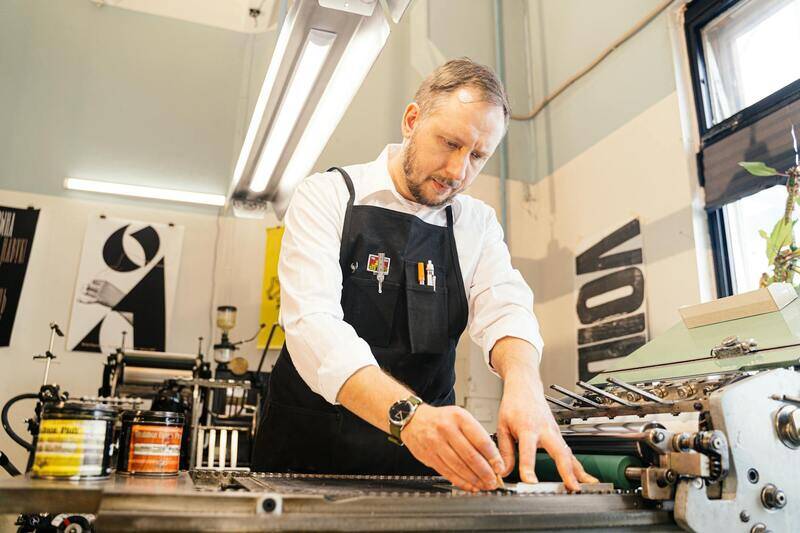
Utilizing Digital and Traditional Construction Techniques
Modern digital printing methods, like UV printing or latex printing, are the cornerstone for official custom banners. These techniques allow for quick turnaround times while maintaining high resolution and color accuracy. For banners intended for high-traffic outdoor areas, UV printing offers superior weather resistance and vibrant color retention, even under prolonged exposure to sunlight and moisture.
In some cases, traditional methods such as fabric dye sublimation or embroidery are employed, especially for specialty banners requiring a textured finish or a more upscale appearance. Certified printers skillfully integrate these methods, ensuring that each piece conforms to recognized standards of quality and durability. The choice of technique often hinges on the intended application, environment, and client preferences.
Adhering to Authorized Customization and Finishing Standards
Authorized banner printing facilities provide extensive customization options, ranging from different material choices such as vinyl, mesh, or fabric, to diverse finishing touches including hemming, grommets, pole pockets, and reinforced edges. These features are incorporated using official processes that meet industry benchmarks for quality and safety.
High-quality finishing enhances not only the visual appeal but also the lifespan of the banner. For outdoor displays, reinforced edges with double-stitched seams and rust-resistant grommets are standard, facilitating secure installation and reducing wear and tear.
Furthermore, these facilities often utilize environmentally responsible practices during production, including the use of eco-friendly inks and waste management procedures, which align with sustainable manufacturing principles. This ensures the final product is not only impactful but also produced responsibly, fulfilling regulatory and environmental considerations.
Structured Ordering and Transparent Pricing
Official channels typically feature streamlined ordering procedures grounded in transparent and accessible processes. Clients can select specific banner dimensions, materials, and finishing options through digital platforms supported by real-time previews. Such online tools minimize miscommunication, providing clearer expectations and ensuring the final product aligns perfectly with design requirements.
Pricing structures are clearly delineated, often based on factors like size, material quality, print complexity, and finishing features. Turnaround times are communicated upfront, allowing clients to plan accordingly for their marketing or event schedules. Reputable vendors also offer detailed quotations, eliminating hidden charges and fostering trust through clear communication.