Understanding Outdoor Banner Printing
Outdoor banner printing is a specialized form of large-format printing designed to produce highly visible, durable banners suitable for a variety of external environments. These banners serve as crucial marketing tools for businesses, organizations, and event organizers aiming to attract attention from passersby, vehicular traffic, or targeted audiences in outdoor settings. Unlike indoor banners, outdoor banners are subjected to weather elements such as rain, wind, UV exposure, and temperature fluctuations, necessitating the use of specific materials and printing techniques to ensure longevity and visual impact.
The primary purpose of outdoor banner printing is to communicate promotional messages, branding elements, or event information in a bold, eye-catching manner. Whether used for grand openings, seasonal sales, festival promotions, or directional signage, these banners enhance visibility and help direct attention effectively. They are often installed in strategic locations such as building facades, fences, poles, or banners stands, making them highly versatile for various applications.
One of the notable benefits of outdoor banner printing is its capacity to deliver large-scale designs that are easily seen from significant distances. This makes them ideal for capturing the interest of pedestrians, drivers, and event attendees. The customization options are virtually limitless, allowing businesses to incorporate their logos, slogans, promotional messages, or vibrant graphics tailored to specific campaigns.
Applications for outdoor banner printing are widespread and include storefront displays, roadside advertising, construction site signage, festival and concert banners, sports events, and community celebrations. The ability to produce durable, weather-resistant banners that withstand outdoor conditions over extended periods makes outdoor banner printing a vital component of outdoor marketing strategies.
Properly crafted outdoor banners not only enhance business visibility but also contribute to conveying a professional image to potential clients and customers. With advancements in printing technologies, today’s outdoor banners can feature high-resolution graphics, vibrant colors, and complex designs, ensuring that the message remains sharp and attention-grabbing regardless of environmental challenges.
As the demand for impactful outdoor advertising grows, choosing the right printing methods, materials, and designs becomes increasingly important. This ensures that the banners maintain their aesthetic appeal and structural integrity over time, maximizing return on investment for advertisers and organizers alike.
Choosing the Right Materials for Outdoor Banners
Selecting appropriate materials is essential for ensuring the longevity and visual impact of outdoor banners. The ideal materials must withstand various environmental conditions, such as sunlight, wind, rain, and temperature fluctuations, without deteriorating in quality or appearance. Commonly used substrates include vinyl, mesh, fabric, and PVC, each offering specific advantages suited to different applications.
Vinyl: This is the most popular choice for outdoor banners due to its durability, flexibility, and weather resistance. Vinyl banners can be customized with high-resolution graphics, and their impermeability makes them resistant to moisture, UV rays, and tearing. They are suitable for both short-term promotions and long-term installations.
Mesh: Ideal for large banners subjected to high wind conditions, mesh materials are breathable and allow air to pass through, reducing strain on the banner. They also resist water and UV damage, making them suitable for outdoor construction sites, building wraps, and event backdrops.
Fabric: Though less common for outdoor use, certain fabrics like polyester or mesh fabrics treated with weather-resistant coatings can be used for banners requiring a softer appearance or detailed printing. These are often chosen for events or promotional displays where aesthetic appeal is paramount.
PVC (Polyvinyl Chloride): Known for its robustness, PVC banners are highly resistant to harsh weather conditions. They are suitable for large displays and signage that need to endure multiple seasons and extended exposure to outdoor elements.
Material selection also influences the printing technique used, with some surfaces better suited for digital, screen, or solvent-based printing solutions. The compatibility of the material with the chosen printing technology ensures crisper images, vibrant colors, and overall durability of the finished banner. When considering the investment, discussing specific environmental conditions and projected lifespan with a printing professional helps determine the most appropriate material choice to maximize effectiveness and value.
Understanding Outdoor Banner Printing
Outdoor banner printing involves the production of large-scale visual displays designed to withstand environmental elements while capturing attention from passersby. The process requires meticulous planning to select appropriate materials, optimized printing techniques, and durable installation methods. High-quality outdoor banners serve multiple purposes—from advertising and branding to event promotion and informational displays. They must combine visual appeal with resilience to weather conditions such as rain, wind, and UV exposure, ensuring the message remains clear and impactful over time.
Critical to the success of outdoor banner campaigns is a comprehensive understanding of the printing process, which includes pre-production planning, material selection, and finishing touches. Aligning these components with the intended use and environment maximizes the effectiveness and lifespan of the banners. Whether for temporary promotional events or long-term signage, the right approach to outdoor banner printing ensures consistent visibility and durability, enhancing brand recognition and audience engagement.

Choosing the Right Materials for Outdoor Banners
The durability of an outdoor banner hinges significantly on its material. Several options exist, each suited for specific conditions and purposes.
- Mesh Vinyl: Designed for areas prone to high wind, mesh vinyl features a breathable structure that allows air to pass through, reducing pressure and potential tearing. Its water and UV resistance make it highly suitable for outdoor settings like construction sites and large-scale event backdrops.
- PVC Vinyl: Known for unmatched robustness, PVC banners excel in demanding weather conditions. They provide excellent color vibrancy and resistance to tearing, making them ideal for signage that must endure extended exposure across seasons.
- Fabric Materials: While traditionally less common outdoors, specially treated fabrics such as polyester or mesh fabrics coated with weather-resistant finishes can be employed for banners that prioritize aesthetic detail and soft-texture appearances.
Choosing the correct material also involves considering aspects like color fidelity, ease of installation, and the environmental conditions where the banner will be displayed. An informed selection of materials enhances both the visual impact and longevity, providing a sound return on investment for outdoor advertising efforts.
Beyond basic material properties, the compatibility of chosen substrates with specific printing technologies—such as digital, screen, or solvent-based printing—is crucial. This compatibility determines the clarity, color accuracy, and overall durability of the finished banner. Consulting with experienced printing professionals helps in selecting the optimal combination of material and technology to meet project specifications and environmental demands.
Proper Installation Techniques and Maintenance for Enhanced Durability
Effective installation practices are vital to maximizing the lifespan and visual impact of outdoor banners. Ensuring the banner is securely fastened using appropriate hardware—such as grommets, ropes, or frame systems—prevents premature tearing or sagging in adverse weather conditions. It's essential to inspect installation points for signs of wear or corrosion regularly, replacing fasteners or re-tightening as needed. When mounting banners on different surfaces, selecting suitable anchors that won’t damage the material or underlying structure helps maintain integrity and appearance.
In addition to robust installation, routine maintenance plays a crucial role in preserving banner quality. Cleaning outdoor banners periodically with a gentle soap solution and soft brush removes accumulated dirt, dust, and pollutants that can degrade the material and fade the print over time. Avoid abrasive cleaners or high-pressure water sprays, which can cause tears or weaken seams. Protecting banners from prolonged exposure to direct sunlight and harsh weather—such as heavy rain, snow, or strong winds—by deploying protective covers or relocating them temporarily enhances longevity.

Environmental Considerations for Outdoor Banner Durability
The surrounding environment significantly influences how outdoor banners perform and how long they last. Urban environments with high pollution levels may cause the banner material to degrade or discolor faster, while rural areas with abundant vegetation may subject banners to more physical contact and debris. Humidity and temperature fluctuations can also impact material integrity, especially if banners are exposed for extended periods.
Choosing weather-resistant materials and finishes tailored to specific environmental conditions provides an extra layer of protection. For instance, utilizing UV-protective coatings can mitigate the effects of prolonged sunlight exposure, preventing fading and deterioration of colors. Additionally, selecting robust framing options secures banners against strong winds, reducing the risk of tearing or falling. Regular inspections and prompt repairs are key to maintaining an effective outdoor advertising display in fluctuating weather conditions.
Understanding Outdoor Banner Printing
Outdoor banner printing encompasses a range of professional techniques designed to produce large-scale promotional displays built to withstand environmental challenges. These banners serve as powerful visual tools in marketing campaigns, event promotions, and directional signage, offering high visibility and durability when crafted using the right methods. The process involves selecting appropriate materials, designing eye-catching graphics, and utilizing advanced printing technologies to ensure vibrant colors, crisp details, and long-lasting performance. Proper attention to these elements guarantees that outdoor banners remain effective over time, despite exposure to sunlight, wind, rain, and temperature fluctuations.
Choosing the Right Materials for Outdoor Banners
Material selection plays a critical role in determining a banner’s longevity and visual impact. Common options include vinyl, mesh fabric, and fabric-backed substrates, each offering specific advantages based on environmental conditions and installation requirements. For instance:
- Vinyl banners: Known for their durability and weather resistance, vinyl banners are ideal for prolonged outdoor use. They are resistant to water, tearing, and fading when treated with UV coatings.
- Mesh banners: Designed with a perforated structure, mesh banners allow wind to pass through, reducing strain on the mounting points, making them suitable for windy locations.
- Fabric banners: Made from polyester or other synthetic fabrics, these banners offer a softer aesthetic and are often used for more decorative outdoor displays. However, they may require additional protective finishes for extended outdoor exposure.
Evaluating environmental factors—such as exposure to sunlight, moisture, and physical contact—guides the optimal material choice. Coatings like UV-resistant finishes and anti-fungal treatments further enhance performance, ensuring colors stay vibrant and materials resist degradation.
Design Considerations for Outdoor Banners
Effective outdoor banner design balances visual impact with practical considerations. The choice of colors, fonts, and imagery must prioritize readability from various distances while aligning with brand identity or campaign messaging. High-contrast color schemes, large fonts, and minimal text are recommended to capture attention rapidly. Additionally, designing with the production process in mind ensures that graphics are suitable for large-scale printing, avoiding pixelation or color bleed.
Placement and surroundings influence design choices, such as contrast against background environments or compatibility with surrounding signage. Incorporating clear calls-to-action and branding elements enhances message retention. Utilizing vector graphics or high-resolution images helps maintain sharpness and clarity across expansive sizes. Furthermore, considering the banner’s mounting points and terrain ensures the design stays unobstructed and easily visible.

Printing Techniques and Technologies
Modern outdoor banner printing leverages advanced printing techniques to produce high-quality, resilient graphics. Wide-format digital printing is the predominant method, utilizing solvent, UV, or eco-solvent inks to achieve vibrant colors and detail. These inks are specifically formulated to adhere to banner materials, resist fading, and provide waterproof properties. The selection of ink depends on the intended location and environmental exposure.
Solvent and UV printing technologies offer superior durability, with solvent printers providing excellent weather resistance and UV printers ensuring high color accuracy and sharpness. Eco-solvent options minimize environmental impact while still delivering durable results. The printing process itself involves large-format printers capable of handling oversized media, ensuring seamless, edge-to-edge graphics without interruption or quality loss.
Post-printing finishing processes, such as hemming, grommet installation, and UV coating application, further protect the banners from environmental wear and tear. These enhancements ensure that the banners sustain their visual integrity over extended outdoor use, maintaining their impact even amidst challenging weather conditions.

Understanding Outdoor Banner Printing
Outdoor banner printing is a specialized segment of large-format printing designed to produce durable visual displays capable of withstanding various environmental factors. This process involves utilizing specially formulated inks and high-precision printing machinery to create vibrant, eye-catching banners that serve promotional, informational, or celebratory purposes in outdoor settings. The key to successful outdoor banner printing lies in selecting the right materials, employing superior printing techniques, and ensuring proper post-printing treatment to maximize longevity and visual impact.
Choosing the Right Materials for Outdoor Banners
Material selection is fundamental to achieving high-quality outdoor banners that persist through weather challenges. Commonly used materials include vinyl, mesh, and fabric substrates, each offering distinct advantages depending on the application.
- Vinyl: The most popular choice for outdoor banners, vinyl is flexible, tear-resistant, and widely compatible with various printing methods. It is available in different finishes, such as gloss and matte, to suit specific aesthetic preferences and visibility requirements.
- Mesh: Equipped with small perforations, mesh banners allow wind passage, reducing stress and potential damage, making them ideal for large installations or high-wind environments.
- Fabric: Though less common, certain outdoor fabric banners are treated with weather-resistant coatings to endure outdoor conditions while offering a premium look and feel.

Design Considerations for Outdoor Banners
Effective outdoor banner design emphasizes readability, visibility, and message clarity. Strategic use of color contrast, bold typography, and minimal text ensures that banners are easily legible from a distance and withstand environmental conditions. Vector graphics and high-resolution images contribute to sharpness, preventing blurriness upon scaling. Proper margins and edge reinforcements, such as hemming, help in preventing tearing and fraying, especially in exposed locations. Incorporating branded elements like logos and taglines consistently enhances brand recognition and message retention.
Printing Techniques and Technologies
Modern outdoor banner printing relies on advanced digital printing methods that combine high speed with exceptional quality. Wide-format digital printers utilize solvent, UV, or eco-solvent inks designed specifically for outdoor media.
- Solvent Printing: Known for its durability and water resistance, solvent printing produces vibrant colors that maintain their brilliance over time, even in harsh weather.
- UV Printing: Offers excellent color accuracy and sharp image detail, with the added benefit of resistance to scratching and UV fading.
- Eco-solvent Printing: A more environmentally friendly option that still provides resilient results suitable for outdoor settings.
The selection of printing technology depends on factors such as desired lifespan, environmental conditions, and budget considerations. Post-printing processes like UV coating, grommet installation, and hemming contribute further to the durability and ease of installation of outdoor banners.

Understanding Outdoor Banner Printing
Outdoor banner printing involves the production of large-scale visual displays designed to attract attention from passing traffic, pedestrians, or event attendees. This form of advertising is highly versatile, suitable for various purposes including promotional campaigns, branding, event announcements, and directional signage. To achieve optimal visibility and durability, selecting the appropriate printing methods and materials is essential. High-resolution graphics, clear typography, and vibrant colors combined with weather-resistant substrates ensure that banners remain effective over extended periods, despite exposure to sun, wind, rain, and other environmental factors.
Key Aspects of Outdoor Banner Printing
- Durability: Banners must endure outdoor conditions without fading, tearing, or warping.
- Visibility: Effective use of color contrast, legible fonts, and impactful graphics enhances message clarity from a distance.
- Material Suitability: Choosing the right material affects both appearance and longevity.
- Printing Quality: High-resolution printing ensures sharp images and detailed designs.
- Installation Compatibility: Banners should be compatible with installation hardware and techniques for secure display.
The Importance of Proven Techniques and Sustainable Practices
Employing advanced printing technologies such as solvent, UV, and eco-solvent printing ensures vibrant colors, sharp details, and long-lasting results for outdoor banners. Solvent printers excel in water and UV resistance, making them ideal for banners exposed to harsh weather conditions. UV printing produces accurate color representation with a matte or gloss finish that resists scratching and UV fading. Eco-solvent printing offers an environmentally conscious solution without compromising durability.
Enhanced Performance Through Proper Material Selection
Matte, gloss, and fabric-based substrates each offer unique advantages suited to different outdoor environments and aesthetic preferences. Vinyl banners, typically made from PVC, are popular for their strength, flexibility, and resistance to tearing. Textile banners, such as mesh or tension fabric, provide a premium appearance and are lightweight for easy installation. The choice of material directly impacts the banner's lifespan, ease of handling, and overall visual appeal.
Design Best Practices for Outdoor Banners
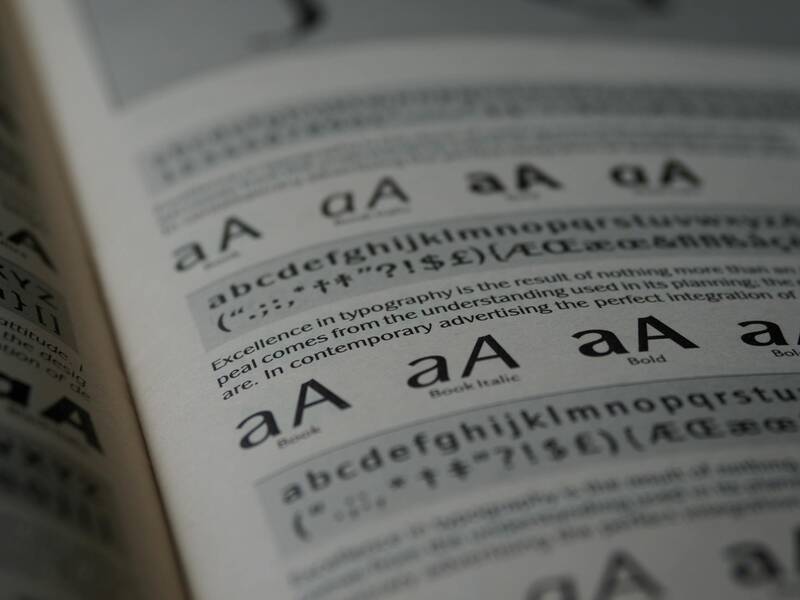
Effective design principles include strategic use of bold, contrasting colors to maximize visibility, clear and legible typography, and the inclusion of eye-catching graphics. Incorporating branding elements like logos and taglines consistently reinforces brand recognition. Consider the viewing distance when designing; larger fonts and simpler messages are more effective from afar. Incorporate safety margins and finalized hemmed edges to prevent fraying and facilitate installation in outdoor settings.
Advanced Printing Techniques and Their Benefits
Modern digital printing methods employ wide-format printers capable of producing large-scale images with intricate details. Solvent, UV, and eco-solvent inks are tailored to withstand outdoor conditions, providing vibrant longevity. UV coatings applied post-printing can further protect banners from UV rays and scratches, extending their visual quality and lifespan. Grommet and pole pockets are added features to enhance ease of installation and security, especially in windy or challenging environments.
Size and Dimensions for Outdoor Banners
Selecting the appropriate size depends on visibility requirements and available installation space. Standard sizes range from small banners of around 2x4 feet to large formats exceeding 10x20 feet. Custom dimensions allow for maximum flexibility in message delivery. Larger banners can be sectionalized with seams or reinforced edges to maintain integrity and ease transportation and setup.
Installation and Maintenance of Outdoor Banners
Proper installation methods involve securing banners with grommets, zip ties, or pole pockets to prevent flapping or damage. Positioning banners at optimal heights enhances visibility, while avoiding areas prone to excessive wind or physical wear extends lifespan. Regular cleaning with gentle detergents and periodic inspections for tears or loose fixtures help maintain banner appearance and structural integrity. When removing banners, store them in a dry, flat place to prevent creasing or damage, enabling reuse for future campaigns.
Choosing a Reliable Outdoor Banner Printing Service
When selecting a provider for outdoor banner printing, it is essential to prioritize quality and professionalism. A reputable printing service will utilize advanced printing technologies that produce sharp, vibrant images capable of withstanding harsh outdoor conditions. These companies often have extensive experience in working with durable materials and specialized inks designed for outdoor environments, ensuring that your banners maintain their visual impact over prolonged exposure to sunlight, rain, and wind.
Assessing a printing company's attention to detail is crucial. Look for providers that adhere to high-quality standards, demonstrate transparency in their processes, and offer a broad range of customization options. Consistent color accuracy and precise print registration are indicators of reliable service, which directly reflect on the effectiveness of your advertising efforts.
Turnaround Time and Customer Support
Timely delivery plays a significant role in campaign planning and execution. A dependable printing service should provide clear timelines and adhere to agreed schedules without compromising quality. Exceptional customer support, including pre-sales consultation and post-order assistance, ensures that you receive guidance throughout the process, from selecting the right materials to final installation tips. Responsive communication channels help address any concerns swiftly, preventing delays or errors.
Value-Added Services and Guarantees
Many top-tier printing providers offer additional services such as design assistance, sample proofs, and custom finishing options like lamination or reinforced edges. These enhancements can significantly increase the durability and visual appeal of your banners. Furthermore, check whether the provider offers warranties or satisfaction guarantees on their products, providing peace of mind and assurance of their commitment to quality.
In selecting a printing service, consider reviews and testimonials from previous clients, which can provide insight into their reliability and overall customer satisfaction. Ultimately, partnering with a reputable company that emphasizes precision, durability, and excellent customer support will help maximize the effectiveness and lifespan of your outdoor banners, making your promotional investments worthwhile.