Introduction to Custom Booklet Printing
Custom booklet printing is a specialized process that combines creative design with advanced printing techniques to produce tailored printed materials. Unlike standard brochures or flyers, custom booklets are crafted to meet specific branding, informational, and aesthetic needs. They serve as versatile tools across various industries, including marketing campaigns, portfolio presentations, corporate events, educational materials, and product catalogs. This level of personalization allows businesses and individuals to effectively communicate their message, showcase their offerings, and leave a lasting impression on their target audience.
One of the primary advantages of custom booklet printing lies in its ability to convey detailed information in an organized and visually appealing manner. Whether used for a comprehensive product catalog, an event program, or a professional portfolio, custom booklets enable clear storytelling through carefully curated layouts, high-quality visuals, and consistent branding elements. This medium not only helps to reinforce brand identity but also enhances credibility and professionalism.

In modern marketing, custom booklet printing has become an essential component for brands aiming to distinguish themselves in competitive environments. By customizing every aspect—from paper choice to binding method—businesses can align their printed materials with their overall branding strategy. Moreover, bespoke booklets are often used in trade shows, product launches, and client presentations to provide comprehensive information in an engaging format. Their tactile nature, coupled with high-resolution imagery and professional finishes, ensures that recipients receive a premium product that fosters trust and encourages further engagement.
Beyond commercial applications, custom booklet printing plays a vital role in educational and organizational contexts. Schools, nonprofits, and corporations utilize custom booklets to distribute training materials, annual reports, or event programs, ensuring their content is both informative and aesthetically aligned with their organizational identity. The flexibility inherent in custom printing allows for unique formats, folding styles, and bindings that can accommodate various content types and presentation preferences.
Given its diverse applications, understanding the fundamentals of custom booklet printing is essential for achieving the desired results. Proper planning of design elements, paper selection, binding options, and printing techniques ensures that the final product not only meets expectations but also stands out in its intended environment. As the demand for personalized printed materials grows, selecting a reliable printer with expertise in custom projects becomes increasingly important for attaining quality outcomes that reflect professionalism and attention to detail.
Design Considerations for Custom Booklets
When planning a custom booklet, meticulous attention must be given to various design elements that directly influence the final product's visual appeal and functionality. These elements include layout, visuals, typography, and overall aesthetic harmony, all tailored to reflect the intended message and brand identity.
Layout and Structure: A well-organized layout guides the reader seamlessly through the content. Strategic placement of text blocks, graphics, and white space ensures readability and engagement. Consider modular designs for versatility, especially if the booklet covers diverse topics or products.
Visuals and Imagery: High-quality images and illustrations should complement the textual information. Consistent style and color schemes reinforce brand recognition and elevate the booklet's professionalism. Incorporating custom graphics or infographics can also aid in conveying complex data simply and effectively.
Typography: The choice of fonts influences readability and tone. Selecting legible typefaces and appropriate font sizes for headings, subheadings, and body text creates a hierarchy that guides the reader through the content naturally. Consistency in font usage across the entire booklet maintains a cohesive look.

Furthermore, consider incorporating interactive elements such as call-to-action buttons, QR codes, or fold-out sections to enhance user engagement and interactivity, especially for marketing or informational booklets intended for events or product launches.
Content Organization and User Experience
Structuring content in a manner that facilitates easy navigation is essential. Utilize clear headings, subheadings, bullet points, and numbered lists to break down information into digestible sections. This approach not only improves readability but also enables quick scanning for essential messages.
Design Software and Prototyping
Using professional design software ensures precision and flexibility. Once the initial design draft is complete, creating prototypes or mockups helps visualize the final product and allows for iterative improvements before final approval.
Paper Types and Finishing Options
Choosing the right paper type significantly impacts the tactile experience and overall appearance of the custom booklet. Options range from gloss to matte finishes, each offering distinct visual effects and durability.
- Glossy Paper: Provides vibrant color reproduction and a shiny surface that enhances images, ideal for promotional materials and visual-heavy booklets.
- Matte Paper: Offers a non-reflective, smooth finish that lends a sophisticated, understated look, suitable for text-centric or professional publications.
- Recycled Paper: An environmentally friendly choice that demonstrates sustainability commitments, available in various finishes without compromising quality.
- Textured and Specialty Papers: Such as linen or parchment textures, these add tactile richness and uniqueness to bespoke projects.

Finishings such as spot UV coats, embossing, foil stamping, or die-cutting can further elevate the presentation. These techniques add visual accents and tactile interest, making the booklet more inviting and memorable to recipients.
Binding Methods for Custom Booklets
The choice of binding impacts durability, usability, and aesthetic appeal. Selecting the appropriate method depends on the intended use, booklet size, and desired finish.
- Saddle Stitch: Involves stapling through the fold, suitable for booklets with fewer pages, providing a clean and simple look.
- Perfect Binding: Uses a strong adhesive to bind pages along the spine, creating a professional hardcover feel ideal for catalogs and reports.
- Spiral Binding: Allows for lay-flat convenience, perfect for manuals and workbooks requiring frequent handling.
- Layflat Binding: Similar to spiral but with a more seamless appearance, often using sewn or specialized gluing techniques to ensure pages stay open flat.
Printing Technologies and Color Quality
Advancements in printing technology provide options for achieving high-resolution and color accuracy in custom booklet production. Choosing the right process hinges on the project's specifications and budget.
- Offset Printing: Ideal for large volumes with consistent color fidelity and sharp details, ensuring professional-grade results.
- Digital Printing: Offers versatility and quick turnaround for smaller runs or large batches with high-quality output, suitable for prototypes or personalized editions.
Color management practices, such as calibrated monitors and color profiling, guarantee vibrancy and consistency throughout the production process, ensuring the final product aligns with brand standards and design expectations.
Paper Types and Finishing Options
Choosing the right paper stock is essential for achieving the desired aesthetic and functional qualities in custom booklet printing. The selection of paper influences the tactile experience, durability, and overall visual impact of the final product.
Common paper types include:
- Uncoated Paper: Offers a natural feel and is suitable for booklets that require good readability and quick drying, such as catalogs and menus.
- Glossy Paper: Provides a shiny finish that enhances color vibrancy and image sharpness, making it ideal for photo-heavy brochures and promotional booklets.
- Matte Paper: Features a smooth, non-reflective surface that delivers an elegant look, perfect for reports or presentations where readability and sophistication are priorities.
- Laminated or Coated Paper: Adds extra protection against moisture, scratches, and UV damage, extending the longevity of the booklet and maintaining its aesthetic appeal.

Finishing Techniques to Elevate Your Booklet
Post-press finishing techniques are vital in transforming a simple printed booklet into a premium product. These techniques not only improve visual appeal but also provide added durability and protection against wear.
Common finishing options include:
- Matte Finish: Softens the appearance, reduces glare, and imparts a sophisticated, understated elegance.
- Gloss Finish: Enhances brightness and color depth, perfect for vibrant graphics and images.
- Lamination: Applies a protective plastic coating that can be matte or gloss, safeguarding the booklet from scratches, fingerprints, and environmental damage.
- UV Coating: Provides a high-gloss finish with added resistance, ideal for highlighting specific elements within the design.
- Embossing and Debossing: Creates tactile textures and raised or recessed designs, adding a tactile dimension that captures attention.

Balancing Quality and Cost in Custom Booklet Production
Understanding the relationship between paper quality, finishing options, and overall production cost enables better decision-making. Higher-quality materials and advanced finishing techniques tend to increase the per-unit cost but can substantially enhance the perceived value of your booklet.
For projects requiring bulk production, selecting economical paper options combined with selective finishing can optimize costs without compromising overall quality. Conversely, for short runs or high-end presentations, investing in premium paper stocks and sophisticated finishes ensures your booklet stands out and aligns with your brand image.
Ultimately, the choice of paper and finishing methods should be guided by the intended use, target audience, and budget constraints, ensuring a harmonious balance between durability, aesthetic appeal, and cost-effectiveness.
Choosing the Right Binding Method for Your Custom Booklet
Selecting an appropriate binding method is crucial to ensure that your custom booklet not only looks professional but also functions effectively for its intended purpose. Different binding techniques offer varied benefits, suitability, and aesthetic appeal, making it vital to match the binding style with your project's requirements.
Among the most popular options is saddle stitching, which involves stapling the folded pages along the spine. This method is cost-effective, suitable for booklets with a limited number of pages (typically up to 48 pages), and provides a sleek, flat finish. It’s ideal for event programs, catalogs, and marketing brochures designed for short to medium runs.

Perfect binding, also known as adhesive binding, involves gluing the pages together at the spine with a strong adhesive. This technique lends a polished, book-like appearance and is best suited for thicker booklets, typically exceeding 48 pages. Perfect binding offers durability and a professional look, making it a preferred choice for catalogs, manuals, and corporate reports.
Spiral or coil binding employs a plastic or metal spiral that runs through punched holes along the edge of the pages. This method allows the booklet to lie flat and fold back on itself, making it excellent for presentation binders, workbooks, or manuals that require frequent flipping. The flexibility and ease of use make spiral binding ideal for educational materials and technical guides.
- Spiral binding offers a versatile and durable solution for documents needing flat opening.
- Perfect for workbooks, planners, and training materials.
- Available in various colors and materials to match branding.
Other binding options include comb binding, wire-o binding, or thread sewing, each serving specific aesthetic and functional needs. The choice largely depends on the number of pages, desired durability, and how the booklet will be used.
Factors Influencing Binding Choice
When considering binding options, it is essential to evaluate the volume of pages, expected handling frequency, and overall presentation goals. For instance, saddle stitch offers affordability for shorter projects, while perfect binding provides a sophisticated look for longer, more substantial publications. Spiral binding's practicality excels in situations requiring flat laying or repeated page turning.
Weight and thickness of the paper also influence binding performance. Heavier paper stocks may require more robust binding methods to maintain the integrity of the finished product. Additionally, the binding style should complement your design and branding to ensure a cohesive visual identity.
Design and Practical Tips for Binding
- Ensure margins and bleed areas are accounted for in the binding edge to prevent content loss.
- Use consistent margins along the binding edge to facilitate nicer finishes and easier page flipping.
- Consider the binding method from the user's perspective—how the booklet will be used can inform the best choice.
- Work closely with your printing provider to select a binding option that aligns with your budget and quality expectations.
If you are investing in custom booklet printing, understanding the nuances of binding options helps ensure your final product meets both aesthetic and functional needs, elevating your brand and effectively communicating your message.
Embedding and Additional Content for Custom Booklet Printing
Once the binding method has been selected, attention shifts to the integration of supplementary elements that can elevate the overall quality and impact of your custom booklet. These components include embossed or foil-stamped covers, specialized varnishes, and custom die-cut features. Incorporating embossed or foil-stamped accents on covers enhances visual appeal and tactile experience, making your booklet stand out. Such finishing touches are particularly effective for branding, promotional materials, or luxury product catalogs where presentation matters.
Another strategic enhancement involves the application of special coatings and varnishes. Spot UV coatings can create contrast by glossing selected areas such as logos or titles, adding depth and sophistication. Matte varnish, on the other hand, offers a subdued elegance that works well with minimalist design themes. These finishes not only improve aesthetics but also contribute to protection against wear and tear, extending the lifespan of your booklet.
For a more exclusive feel, consider custom die-cut features that can introduce unique shapes or window cutouts to your cover or interior pages. Die-cutting allows for creative design elements that can enhance interactivity or showcase specific content more prominently. For example, a window-shaped die-cut on the cover can reveal part of the first page’s design beneath, adding an element of intrigue.
When planning these enhancements, collaborating with your printing provider is crucial. Communicate your design goals clearly and ask for samples or mock-ups to assess how different finishes and die-cuts will translate into the final product. Properly integrating these features ensures a cohesive and professional presentation, reinforcing your brand’s identity while engaging your audience.

Furthermore, considering the environmental impact of finishing options is increasingly important. Many providers offer eco-friendly laminates, soy-based varnishes, and recyclable materials that align with sustainable practices. Selecting environmentally conscious finishing methods not only demonstrates responsibility but also appeals to eco-aware consumers, subtly aligning your brand with contemporary values.
Incorporating these optional features requires careful planning to ensure compatibility with the overall design and binding method. An experienced printing partner can advise on the optimal combination of finishes and embellishments, balancing aesthetics, durability, and cost to produce a truly customized final product.
Binding Methods for Custom Booklets
Choosing the right binding method is fundamental to the durability, functionality, and overall presentation of your custom booklet. Different binding techniques serve various purposes and can significantly influence the final aesthetic and user experience. Expertise in selecting the appropriate binding ensures your booklet aligns with your brand identity and meets the needs of your target audience.
Common Binding Options
- Saddle Stitching: This method involves stapling sheets together along the fold line. It is cost-effective and ideal for booklets with fewer pages, typically up to 64 pages. Saddle-stitched booklets lie flat when open, making them suitable for catalogs, programs, and brochures that require easy handling and readability.
- Perfect Binding: Often used for thicker booklets, perfect binding involves gluing the pages together at the spine with a flexible adhesive. This method results in a clean, professional appearance similar to hardcover books. It provides a durable finish suitable for catalogs, annual reports, and marketing materials that demand a premium feel.
- Spiral and Wire-O Binding: These binding options use wire or plastic coils to hold pages together, allowing the booklet to lie flat or fold back completely. This flexibility makes spiral-bound booklets ideal for manuals, workbooks, or guides where ease of use and durability are priorities.
- Case or Hardcover Binding: For high-end presentation materials, hardcover bindings with sewn signatures provide ultimate durability and sophistication. This method is suitable for portfolios, archival materials, or corporate reports, offering a long-lasting and professional finish.
Considerations When Selecting Binding Types
- Page Count: Thinner booklets usually work best with saddle stitching, while thicker compositions benefit from perfect or hardcover binding.
- Usage and Handling: Consider whether the booklet needs to lie flat, be portable, or be handled frequently. For example, spiral binding offers excellent flexibility for interactive manuals.
- Design and Aesthetics: Some binding methods complement specific design styles. For instance, perfect binding offers a sleek, modern look, whereas spiral binding provides a more casual or functional appearance.
- Budget Constraints: Cost varies significantly across binding options. Saddle stitching tends to be most economical, while hardcover bindings incur higher production expenses.
Additional Factors in Binding Selection
In addition to the core binding technique, it's essential to consider the following:
- Cover Materials: Combining your binding choice with durable, high-quality covers can enhance the booklet's longevity and aesthetic appeal.
- Spine Design: For perfect and hardcover bindings, customizing the spine with printed or embossed elements can reinforce branding and make your booklet stand out.
- Binding Strength and Durability: Depending on the handling environment and intended lifespan, selecting a binding that withstands frequent use or environmental factors is vital.
Choosing the Right Binding Method for Your Custom Booklet
Selecting an appropriate binding method is crucial for enhancing the durability, aesthetics, and usability of your custom booklet. Different binding options serve various purposes, from simple informational pamphlets to high-end marketing materials, each offering unique advantages that can align with your project's goals and budget.
Common Binding Techniques
- Saddle Stitching: This method involves folding sheets and securing them with staples along the spine. It is ideal for booklets with a lower page count—typically up to 48 pages—and offers a streamlined, professional appearance at an economical cost. Saddle stitching is suited for flyers, programs, and catalogs that require quick production and easy handling.
- Perfect Binding: Often used for thicker booklets and manuals, perfect binding involves gluing the pages to a flexible or rigid spine. This creates a clean, seamless look, resembling a paperback book. It provides a more durable and aesthetically refined finish, making it suitable for brochures, annual reports, and high-quality catalogs.
- Spiral and Coil Binding: Spiral binding uses a continuous plastic or metal coil that allows the booklet to lay flat when open, making it perfect for instructional manuals, workbooks, or recipe books. Coil binding offers flexibility, ease of page turning, and a casual appearance, which can be customized with vibrant colors to match branding elements.
- Hardcover Binding: For projects requiring a premium touch, hardcover binding provides excellent protection and an upscale feel. It is popular for coffee table books, portfolios, and commemorative editions. The hardcover can be customized with embossed logos, foil stamping, or textured finishes to elevate the overall presentation.
Factors Influencing Binding Choice
Your selected binding method should reflect the intended purpose, handling environment, and visual branding. Thinner booklets benefit from saddle stitching, while thicker or more permanent pieces benefit from perfect or hardcover binding. Additionally, consider the following:
- Expected Use: Will the booklet be handled frequently or need to lie flat? Choose binding options like spiral or wire binding for interactive or reference purposes.
- Design Compatibility: Some binding methods enhance certain visual styles—sleek perfect binding complements modern aesthetics, whereas spiral binding offers a more casual, approachable vibe.
- Cost and Production Time: Budget constraints may influence your choice, with saddle stitching generally being more cost-effective than hardcover binding. Turnaround times can also vary depending on complexity.
- Durability: For items subjected to frequent handling or environmental exposure, selecting a more robust binding ensures longevity and maintains a professional appearance over time.
Designing for Binding Compatibility
Effective booklet design considers the chosen binding method to ensure content aligns properly and maintains visual appeal. For instance, with saddle stitching, margins should be ample near the spine to prevent text from being compromised or difficult to read. Perfect binding requires carefully designed blocks to prevent text shifting or binding issues. Conversely, spiral-bound booklets benefit from wider margins on the binding side to accommodate the coil and facilitate easy flipping.
Incorporating the binding method into your layout allows for seamless integration of branding elements, such as embossed logos on the spine for perfect or hardcover bindings. Additionally, selecting cover materials that complement the binding enhances durability and aesthetic impact—consider using high-quality cardstock or textured finishes for covers, especially for hardcover projects.
Final Considerations
Work closely with your print provider to explore samples and proofs during the design phase. Clearly communicate your expectations regarding durability, appearance, and functionality to select the best binding method for your specific project. Proper planning ensures that your custom booklet not only looks professional but also withstands the demands of its intended use.
Considerations for Subscription and Distribution of Custom Booklets
Once your custom booklet has been professionally printed, effective distribution becomes essential to maximize its impact and reach your target audience. Developing a strategic approach to distribution can involve various methods tailored to your objectives, audience, and budget. Recognizing the importance of legal and ethical dissemination ensures that your marketing or informational materials are delivered responsibly and efficiently.
Direct Mail Campaigns
One of the most straightforward channels for distributing custom booklets is through direct mail campaigns. This method allows for targeted outreach based on geographic, demographic, or behavioral data, ensuring that your materials reach the individuals most likely to benefit or engage with your content. When preparing for direct mailing, it’s crucial to comply with postal regulations and data protection laws, which involve proper handling of recipients' addresses and personal information.
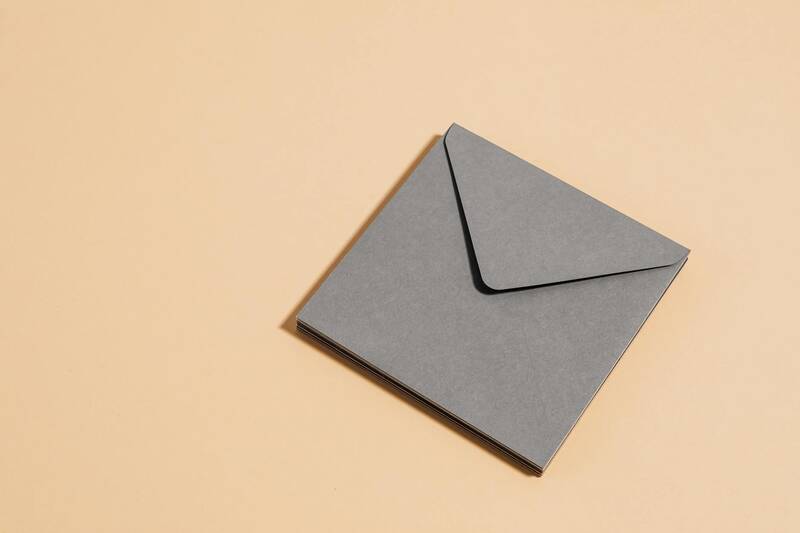
Incorporate personalized elements to increase engagement, such as addressing recipients by name or tailoring content to specific audience segments. Packaging also plays a role in the presentation—you might consider using branded envelopes or covers that protect the booklet during transit and make a professional first impression.
Partnerships with Retailers and Distribution Centers
Partnering with retail outlets, libraries, or distribution centers broadens the reach of your custom booklet. These collaborations allow you to place your materials in high-traffic areas, aligning your distribution method with your target market's habits. For example, educational institutions or community centers can host bulk distributions of informational booklets, especially if your content aligns with their services or offerings.
Ensure that your distribution agreements are clear, specifying conditions such as placement location, duration, and quantity. Maintaining proper documentation and inventory tracking helps ensure that your distribution efforts stay organized and compliant with relevant policies.
Legal and Ethical Distribution Practices
It’s vital to adhere to established regulations when sharing your custom booklets across various channels. This includes honoring intellectual property rights by avoiding unauthorized use of copyrighted images or text. Additionally, respecting recipients' preferences regarding unsolicited materials helps build trust and uphold your organization’s reputation.
Privacy policies should be strictly followed when handling personal data for mailing or online distribution, ensuring secure storage and usage. If your booklet contains promotional content, clear disclosures about sponsorship or advertising nature are advisable to maintain transparency.