Overview of Colour Printing and Pricing Factors
Colour printing has become an essential component for a variety of personal and business applications, ranging from marketing materials and corporate branding to personalized gifts and educational resources. When considering colour print price, understanding the primary factors that influence costs is crucial for making informed choices that align with your budget and quality expectations.
Key determinants of colour print pricing include the volume of prints, the type of material used, and the complexity of the design. Ink costs are also a significant consideration, especially when high-quality or vivid colour reproduction is required. As printing technology advances, the range of options available can influence the final price, with newer, more sophisticated methods often commanding higher rates due to their precision and quality.
In addition to hardware and material costs, service providers may factor in setup fees for custom projects or special finishing options. Customers should also be aware of how the choice of paper and design intricacy impacts overall expenses. Understanding these elements helps in planning your projects more effectively, ensuring that you receive a high-quality product within your intended budget.
Finally, pricing strategies can vary significantly between providers, with some offering flexible tiers based on order volume or bulk discounts. Recognizing these patterns enables consumers to compare options accurately and choose printing services that provide the best value for their specific needs.
Material and Paper Choices for Colour Prints
Selecting the appropriate material and paper type plays a pivotal role in determining the final colour print price. High-quality papers, such as glossy or matte finishes, often come at a premium, but they significantly enhance the vibrancy and clarity of colour reproduction. Thicker cardstock or specialty materials like textured or recycled paper can also increase costs but provide superior durability and tactile appeal, making them suitable for professional marketing materials, invitations, or premium corporate branding.
When considering material options, it’s essential to align your choice with the purpose of your print project. For instance, vibrant colour brochures typically benefit from coated papers that maximize colour sharpness, whereas educational handouts might prioritize cost-effectiveness with standard matte paper. The weight and texture of the paper influence printing outcomes as well as price, with heavier, specialty papers contributing to higher expenses.

Colour Complexity and Design Details
The intricacy of your design profoundly affects the cost of colour printing. Simple designs with broad colour areas often require less ink and processing, resulting in more economical print prices. Conversely, projects with elaborate graphics, fine details, or subtle gradients demand more precise colour management and higher quantities of multiple ink colours, consequently increasing costs.
High-resolution images, complex shading, and detailed text all contribute to longer print times and increased ink consumption. These factors also necessitate higher-quality printing equipment to preserve design fidelity, which can add to the overall expense. Ensuring your design is optimized for print—reducing unnecessary colours and simplifying complex elements—can be an effective strategy to control costs without compromising visual impact.
Order Quantity and Pricing Tiers
Most printing service providers offer tiered pricing that benefits larger orders, making bulk printing more economical. Unit costs typically decrease as the quantity increases, providing significant savings for high-volume projects such as business promotional materials or event flyers. These discounts are structured to incentivize customers to commit to larger orders, which optimizes production efficiency and reduces per-unit expenses.
When planning your project, consider the ideal order quantity to maximize savings. Small runs might have a higher per-item cost, but they offer flexibility for testing different designs or limited-time campaigns. It’s advisable to request quotes based on different quantities to determine the most cost-effective volume for your specific needs.

Additional Services and Finishing Options
Enhancing your colour prints with additional services—such as lamination, UV coating, foil stamping, or embossing—can elevate the aesthetic appeal but also add to the total cost. These finishing options are ideal for creating premium products that stand out, especially for corporate branding, awards, or promotional items.
Standard finishing options like perforation, folding, or binding can also influence overall pricing. Service providers may charge setup fees for custom finishes or special effects, which should be factored into your budget. Requesting comprehensive quotes that include these options helps ensure no unexpected costs arise during project execution.

Estimating and Comparing Colour Print Prices
To efficiently estimate and compare prices across different printing providers, gather detailed quotations that break down costs by material, design complexity, quantity, and finishing options. It’s beneficial to specify your project’s parameters clearly to obtain accurate estimates. Comparing these figures enables you to identify the best value without compromising quality.
Online calculators and price sheets can also serve as useful tools for initial budgeting. However, to ensure precision, consult with your chosen printing services directly, especially when your project involves custom elements or high-volume orders. Keep in mind that prices can fluctuate based on current demand and technological advancements in printing methods.
Material and Paper Choices for Colour Prints
One of the primary factors influencing the cost of colour printing is the selection of paper material. Different paper types and finishes not only affect the visual quality of the final product but also have a significant impact on the overall price. Standard uncoated, matte, or gloss papers are generally more cost-effective, making them suitable for bulk printing of flyers, handouts, and posters.
However, premium options such as silk, textured, or laminated papers tend to command higher prices due to their enhanced tactile and visual appeal. Thicker stocks, like 300gsm or 400gsm cardstocks, are preferred for high-end business cards, invitations, or packaging inserts, which naturally increases the cost per unit. The choice of coating or finish can also influence pricing; for example, UV coating or soft-touch finishes provide added durability and a luxurious feel, but they come at a premium.

Beyond thickness and texture, special finishes such as foil stamping, embossing, or spot UV apply at additional costs but can dramatically elevate the visual impact and perceived value of printed materials. When budgeting for colour prints, consider how the choice of material complements your design goals while balancing the associated costs to optimize your investment.
Colour Complexity and Design Details
The intricacy of your design plays a crucial role in determining the print price. High-resolution images, detailed illustrations, and complex colour gradients necessitate more sophisticated printing techniques and longer setup times, both of which can elevate costs. For instance, printing a design that involves multiple colours with fine details may require advanced colour management and calibration to ensure fidelity, especially with digital press options.
Design elements such as photographic backgrounds, subtle colour transitions, or intricate line work increase toner or ink consumption, contributing to higher prices. When preparing artwork, simplifying complex designs or reducing the number of colours used can help mitigate costs without compromising the overall aesthetic.

It's important to work with your printing provider to understand how your design choices impact costs. They can often recommend adjustments that preserve visual quality while aligning with your budget constraints, ensuring efficient production without sacrificing the intended effect.
Overview of Colour Printing and Pricing Factors
Understanding the various components that influence the price of colour printing helps businesses and individuals make more informed decisions when planning their print projects. Key factors include the complexity of the colours involved, the volume of prints ordered, and the type of printing technology employed. Each of these elements impacts the overall cost, allowing for tailored solutions that balance visual appeal with budget considerations.

Types of Printing Technologies and Their Impact on Cost
Different printing methods yield varying cost profiles, primarily based on their technological complexity and suitability for certain print runs. The most common options include digital printing, offset printing, and large-format printing, each offering distinct advantages and cost considerations.
Digital Printing
Digital printing is ideal for short to medium runs, providing quick turnaround times and high-quality results. Because it involves no setup plates or extensive preparation, per-unit costs tend to decrease with larger orders, making it a cost-effective choice for small batches or customized prints. Advanced digital presses can produce vibrant, high-resolution colour work efficiently, albeit at a slightly higher initial investment compared to some other methods.
Offset Printing
Offset printing excels when producing large quantities. Its setup involves creating plates for each colour, which requires additional time and costs upfront. However, once established, the per-piece cost diminishes significantly, especially for orders running into thousands of copies. Offset presses are capable of producing precise, consistent colour reproduction, making them suitable for bulk, high-quality print jobs.
Large-Format Printing
Specifically designed for banners, posters, and signage, large-format printers can handle extensive material sizes with excellent colour fidelity. While setup costs are generally higher due to equipment and material considerations, the cost per square foot decreases as the size and volume increase. This technology often involves eco-solvent or solvent inks that contribute to the overall price but provide durability and vivid colours.

Material and Paper Choices for Colour Prints
The selection of print materials and papers profoundly influences costs and outcomes. High-quality, specialty papers and materials can enhance the visual impact but typically come with increased expenses. When evaluating options, consider the purpose of the print and the environmental conditions it must withstand.
Standard Paper Stocks
The most economical choice, standard uncoated or coated papers, are suitable for typical marketing materials, flyers, and business cards. They offer a balance of affordability and quality, with prices varying based on weight and finish.
Premium and Specialty Materials
Materials like glossy or matte heavyweight papers, textured stocks, or synthetic substrates elevate the presentation and durability of prints. These options entail higher costs but can significantly enhance visual appeal, especially when colour vibrancy and textural richness are priorities.
Eco-Friendly and Recycled Options
More sustainable materials, including recycled or certified eco-friendly papers, are increasingly popular. While they sometimes cost slightly more, their eco-conscious appeal can add value to the finished product and appeal to environmentally aware consumers.
Design Complexity and Colour Details
The intricacy of your design directly correlates with the amount of ink or toner required, as well as the time and precision needed during printing. Simplified designs with fewer colours generally incur lower costs, whereas detailed images, gradients, and multiple colour layers demand more resources and calibration efforts.
For instance, photographic images with subtle colour transitions require high-resolution printing and sophisticated colour management, leading to increased prices. Conversely, designs that utilize fewer colours or are intentionally minimalist can reduce material usage and print time, optimizing budget efficiency.
Volume and Pricing Tiers
The number of copies ordered is a primary determinant of per-unit print costs. Typically, printing providers establish tiered pricing structures where unit prices decline as order volume increases. This model incentivizes bulk production, ideal for campaigns, events, or large-scale marketing efforts.
For small-scale projects, the setup costs remain a significant part of the total, making each print relatively expensive. As the order volume grows, economies of scale take effect, dramatically reducing the overall cost per piece. It’s advisable to conduct a detailed cost analysis based on desired quantities to identify the optimal balance between order size and budget constraints.
Additional Services and Finishing Options
Enhancing your colour prints with finishing options can elevate their visual and tactile appeal, albeit often at added costs. Techniques such as gloss or matte lamination, embossing, die-cutting, or spot UV coatings can dramatically influence the final price but provide value-added benefits for presentation and durability.
Estimating and Comparing Colour Print Prices
Accurately estimating colour print costs involves considering all these variables: technology, material choices, design complexity, quantity, and finishing options. Soliciting detailed quotes from multiple providers and requesting breakdowns of costs associated with each factor ensures transparency and better planning. Using online calculators or direct consultations can help you compare options effectively, aligning your quality expectations with budget considerations.
Tips for Managing Colour Print Costs
To control expenses without compromising on quality, consider the following strategies:
- Limit the number of colours used in your design, opting for Pantone swatches or simplified palettes.
- Reduce the size and dimensions of your print materials where possible.
- Order in bulk to benefit from volume discounts and lower per-unit costs.
- Choose standard paper stocks unless specialty finishes are vital for your campaign.
- Work closely with your printer to explore feasible design adjustments or alternative materials.
Impact of Order Quantity and Pricing Tiers on Colour Print Cost
When determining the cost of colour printing, the volume of your order plays a critical role. Larger quantities typically benefit from tiered pricing structures that significantly reduce the per-unit price. Printers often set minimum order requirements to ensure efficiency, especially for colour prints which involve more complex processes and materials than monochrome options.
For small batch runs, the per-unit cost tends to be higher as fixed setup fees and colour calibration processes are distributed across fewer items. Conversely, ordering in bulk allows these setup costs to be amortized over a larger number of prints, resulting in lower costs per piece. This is particularly advantageous for businesses or organizations aiming to produce a broad range of materials, such as marketing brochures, direct mail campaigns, or event invitations, where high volumes are common.
Many printing services implement pricing tiers based on volume brackets. For instance, ordering 100-500 prints might have a different rate compared to 501-1000 prints. This incentivizes larger orders and helps clients optimize their budgets. Additionally, some providers offer custom quotes for very large or complex projects, accounting for specific material or finishing requirements.
Balancing Quality and Cost Through Order Size
- Small orders: Suitable for test runs or short-term projects but generally come with higher unit prices due to setup costs.
- Medium orders: Ideal for localized campaigns or small businesses, offering a reasonable balance between price and quantity.
- Large orders: Best for organizations with ongoing needs; benefits include significant per-unit discounts and faster turnaround times.
It is wise to involve your printing partner early in the planning process to understand the pricing tiers and identify the optimal order size for your project. Clear communication about your expected volume and design specifics can lead to tailored quotes that align with your budget while meeting quality expectations.
Additional Considerations for Cost Optimization
- Negotiate volume discounts, especially for recurring or future projects.
- Combine multiple print jobs within a single order to maximize cost savings over separate runs.
- Request comprehensive quotes that detail setup fees, material costs, and finishing options to avoid unexpected expenses.
- Explore alternative materials or simplified design elements that may be more economical for large orders.
Understanding the relationship between order quantity and pricing tiers is essential for strategizing your printing projects effectively. By planning your order sizes carefully and leveraging volume discounts, you can achieve a high-quality colour print at a more manageable cost.
Overview of Colour Printing and Pricing Factors
Colour printing encompasses a range of processes and materials that influence the final cost. Key considerations include the type of printer used, the complexity of the design, and the desired quality of the output. The nature of the project—whether it’s a single poster or a bulk brochure—also plays a crucial role in determining the overall expenditure. Pricing strategies are impacted by several interconnected factors, each contributing to the final colour print price you encounter when working with professional printing services.
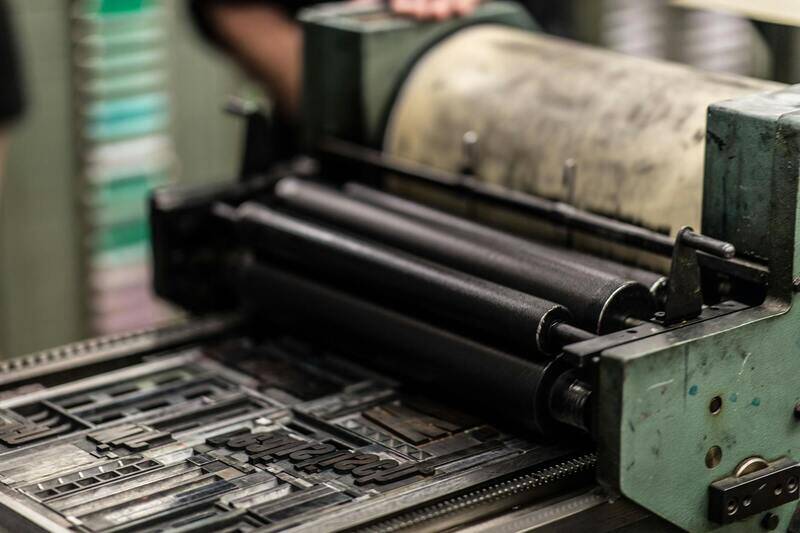
Types of Printing Technologies and Their Impact on Cost
The choice of printing technology is a fundamental driver of colour print prices. Inkjet, laser, and offset printing are predominant methods, each with distinct cost implications based on their application scope and quality output.
- Inkjet Printing: Ideal for small batches and high-detail images; generally more cost-effective for short runs but can become costly with larger quantities.
- Laser Printing: Offers faster production with decent colour accuracy, suitable for medium-sized orders, and often provides a good balance of quality and price.
- Offset Printing: Suitable for large volume orders, translating into lower per-unit costs. It involves higher initial setup costs but becomes more economical with bulk quantities and complex colour requirements.
The selection depends heavily on project scope, desired quality, and budget constraints, with offset typically being the most economical choice for large runs, whereas inkjet is preferred for prototypes and small batches.
Material and Paper Choices for Colour Prints
The type of material and paper stock directly impacts the price of colour printing. Premium materials such as coated, glossy, or textured papers tend to carry higher costs compared to standard uncoated options, but they offer enhanced visual appeal and durability.
- Glossy and Coated Papers: Enhance vibrancy and sharpness of colours but usually come with increased material costs.
- Matte or Uncoated Papers: Offer a subtler finish and are generally more economical, suitable for informational or minimalist designs.
- Specialty Materials: Textured, recycled, or premium options can significantly impact pricing but provide unique finishes that may add value to your product.
Colour Complexity and Design Details
The intricacy of the colour design influences the overall print cost by affecting the amount of ink used and the complexity of colour separation and processing. Multi-colour images with gradients, fine details, or photographic elements require more advanced printing techniques and higher ink consumption.
- Simple Designs: Minimal colours, large flat areas, and straightforward graphics typically result in lower costs due to less ink and simpler processing.
- Complex, Multi-Colour Artwork: Rich images with many colour shades, gradients, or intricate details increase the cost owing to additional colour plates, longer printing times, and higher material usage.
Order Quantity and Pricing Tiers
The scale of your order profoundly influences the per-unit cost. Manufacturers often implement tiered pricing structures, where larger quantities enjoy substantial discounts, making high-volume orders more cost-effective. Conversely, smaller orders tend to have higher unit prices, primarily due to setup fees and fixed costs that are spread over fewer units.
- Small Orders: Typically involve higher unit costs due to setup and material expenses spread over fewer items, ideal for testing or limited editions.
- Medium Orders: Offer a balanced approach, with moderate discounts that make them accessible for small businesses and localized campaigns.
- Large Orders: Benefit from significant unit price reductions, making them the most economical choice for ongoing or high-volume projects.
Planning carefully and discussing with your print provider about volume discounts can lead to significant savings, especially for recurring projects. Accurate estimates based on current tiered pricing models can help manage costs efficiently while ensuring quality standards are met.
Overview of Colour Printing and Pricing Factors
Understanding the landscape of colour print pricing is essential for businesses and individuals seeking high-quality, vibrant results without exceeding budgets. Several core elements influence the final price of colour printing, including the choice of printing technology, the materials used, the complexity of the artwork, order volume, and additional finishing services. Awareness of these factors enables more accurate budgeting and strategic decision-making, ensuring that print projects align with both aesthetic expectations and financial considerations.
Types of Printing Technologies and Their Impact on Cost
Various printing methods, such as inkjet, laser, and digital presses, offer differing advantages and cost implications. Inkjet printing, often used for small batches or prototypes, provides vibrant colours and detailed imagery but can be more costly per unit at larger volumes due to slower processing times. Laser printing tends to be more economical for bulk printing, with faster throughput and lower per-unit costs, though it may offer slightly fewer colour gradients compared to inkjet. Digital printing strikes a balance, providing high-quality colour reproduction suitable for medium-sized runs at a reasonable cost. When choosing a printing technology, the nature of the project—such as print size, colour richness, and quantity—should guide the selection for optimal cost efficiency.

Material and Paper Choices for Colour Prints
The selection of materials and paper surfaces plays a significant role in determining overall expenses. Premium options like glossy or matte coated papers enhance colour vibrancy and durability, but often come at a higher price point. Conversely, standard uncoated papers are more budget-friendly but may not showcase colours as vividly. The thickness or weight of paper (measured in GSM) also affects costs; thicker, more rigid substrates incur higher material and handling expenses. For specialised projects, textured or metallic papers can add visual appeal but require additional planning in budgeting. Aligning material choices with design goals and budget constraints is vital to achieving both quality and cost-effectiveness in colour printing.
Colour Complexity and Design Details
The intricacy of the artwork significantly influences printing costs. Simple designs featuring broad, flat colour areas and minimal gradients tend to be economical due to less ink usage and faster processing. Conversely, complex images with multiple colours, subtle gradients, fine details, or textures require more passes, precise alignment, and additional ink, all contributing to increased costs. For example, artwork with extensive colour blending or photographic images demands more elaborate colour management processes, elevating production expenses. Recognising the level of detail in your designs enables better cost estimation and appropriate selection of printing techniques to balance visual quality with budget considerations.
Order Quantity and Pricing Tiers
The volume of your print order is a critical factor in determining per-unit cost. Manufacturers often operate on tiered pricing models, where larger orders benefit from discounted rates. Small batches, while more costly per item, are suitable for prototypes or limited editions, allowing for flexibility without significant financial commitment. Medium-sized runs strike a balance, offering moderate discounts that suit small businesses or local campaigns. High-volume orders, such as large batches for events or marketing campaigns, leverage economies of scale, achieving the lowest unit prices. Strategic planning around order quantities and understanding tiered pricing structures help optimise expenditure while maintaining quality standards. Discussing volume discounts with your chosen print provider can unlock considerable savings on ongoing or bulk projects.

Additional Services and Finishing Options
Beyond the basic printing process, supplementary services such as lamination, embossing, die-cutting, or soft-touch coatings influence overall costs. These finishing touches enhance visual appeal and durability, especially for marketing materials and high-end products. For colour prints, additional colour layers or special inks like metallic or spot colours can significantly increase expenses. The complexity and extent of finishing options should be considered early in the planning stage to incorporate costs into your budget effectively. While these enhancements incur extra charges, they can elevate the perceived value of the printed material, making them worthwhile investments for premium projects or branding initiatives.
Understanding the Pricing of Colour Prints: Detailed Insights
Accurately estimating the cost of colour printing involves a comprehensive understanding of various influencing factors. As one of the leading providers in the industry, justprintcard.net emphasizes transparency in pricing structures, allowing customers to make informed decisions while ensuring high-quality results. When evaluating the price of colour prints, considerations extend beyond mere quantity, encompassing technology options, material choices, complexity of design, and additional finishing services.
Technologies Influencing Colour Print Costs
The printing method chosen plays a pivotal role in cost determination. Digital printing is typically more economical for short runs and rapid turnaround times, making it suitable for customized or limited-edition prints. Offset printing, on the other hand, offers efficiency for larger quantities and delivers superior quality with consistent colour accuracy, though it often involves higher setup costs. Advanced printing technologies such as UV printing or large-format inkjet printing may incur additional expenses due to equipment requirements but can provide superior results for specific applications. Selecting the appropriate technology aligned with project scope helps optimize costs without sacrificing quality.

Material and Paper Options Affecting Price
The choice of material significantly impacts the overall cost of colour prints. Standard papers like gloss or matte finish are generally affordable and suitable for most business needs. Premium options, such as textured or recycled papers, can increase expenses but may add unique aesthetic appeal. Specialty materials like transparent, metallic, or synthetic substrates are often associated with higher costs, reflecting their specialized nature and durability. When selecting materials, balance the desired visual impact with budget constraints, and consider how the choice aligns with the intended application of the printed piece.

Design Complexity and Colour Detailing
The intricacy of the design directly correlates with production costs. Simple designs with limited colours require fewer print passes, lowering expenses. Conversely, elaborate images featuring multiple colours, gradients, or detailed artwork necessitate higher ink coverage and precision, which can increase printing time and ink consumption. Special effects such as spot colours, metallic inks, or textured finishes further elevate costs due to their specialized nature. Early collaboration with your print provider to refine design elements can help manage expenses while maintaining visual impact.
Order Quantity and Pricing Tiers
Bulk orders benefit from tiered pricing structures, reducing the cost per unit as the quantity increases. Small batches offer flexibility but tend to be more expensive on a per-item basis, making them ideal for prototypes or limited campaigns. Medium-sized runs provide a blend of affordability and flexibility, suitable for small to medium enterprises. Large-scale orders leverage economies of scale, delivering the lowest unit price and ideal for extensive marketing campaigns or distribution. Planning your order volume strategically will enable cost-effective procurement without compromising on quality.
Additional Finishing and Customization Options
To elevate the visual appeal and durability of colour prints, various finishing options are available that influence the final price. Lamination enhances protection and enhances gloss or matte effects, suitable for high-traffic marketing materials. Embossing and debossing add tactile dimension, perfect for creating luxurious effects. Die-cutting enables custom shapes, and soft-touch coatings contribute to a premium feel. Incorporating special inks, such as metallic, neon, or spot colours, amplifies visual impact but at increased costs. When budgeting, it is essential to weigh the value added by these options against overall project expenses.
Estimating and Comparing Colour Print Prices Effectively
Accurate cost estimation begins with clear project specifications. Providing detailed artwork and specifying material preferences allows print providers to generate precise quotes. Comparing quotes from reputable suppliers, like justprintcard.net, ensures competitive pricing and quality alignment. It is advantageous to inquire about volume discounts, delivery charges, and turnaround times simultaneously. Utilizing online calculators or request-for-quote services can streamline comparison processes. Documenting your project scope with comprehensive specifications minimizes unforeseen costs and facilitates transparent pricing comparisons across different providers.