Understanding the Importance of Business Cards
In an increasingly digital world, the significance of traditional business cards endures as a fundamental element of professional branding and networking. These compact, tangible tools serve as a personal reminder of one’s expertise, company, and contact information, fostering meaningful connections that can lead to further opportunities. Business cards encapsulate a professional image, offering a quick and convenient way for potential clients, partners, or collaborators to remember and reach out, making them essential for individuals and organizations aiming to leave a lasting impression.
Moreover, business cards are a reflection of your brand’s identity. Thoughtful design, quality materials, and unique features demonstrate attention to detail and professionalism, reinforcing trust and credibility. They facilitate face-to-face interactions, which remain a vital aspect of building genuine relationships within many industries. By providing a physical item to share at conferences, meetings, or social gatherings, professionals can distinguish themselves from competitors who rely solely on digital contacts.
Furthermore, the versatility of business cards allows for strategic branding. Custom elements such as logos, color schemes, and fonts can be leveraged to create visual consistency across marketing materials. This consistency ensures that your brand message resonates clearly, making your business easily recognizable. As marketing tools, business cards can also be used to showcase special promotions, social media handles, and website URLs, connecting prospects beyond the handshake and establishing a multi-channel outreach approach.

In addition, the tangible nature of business cards facilitates easier recall. Unlike digital exchanges which might be overlooked or forgotten amidst countless emails, a well-designed card remains accessible, ready to be referenced anytime. This tactile aspect also allows for creative experimentation with textures, finishes, and unique shapes, further differentiating your cards in a stack or on a desk.
Ultimately, whether used as a networking staple or a part of a comprehensive branding strategy, business cards continue to offer unmatched efficiency in establishing, maintaining, and expanding professional relationships. They are a cost-effective tool that, when crafted thoughtfully, significantly contributes to credibility and business growth.
Selecting Card Material and Finish
Choosing the appropriate material for your business cards is a crucial step that impacts both the durability and aesthetic appeal of your branding assets. Common options include standard cardstock, which offers a balance of quality and affordability, and premium options such as linen or textured finishes that add a tactile element to your cards. For a more luxurious feel, options like thick matte or gloss finishes can enhance the visual depth of design elements, making logos and colors pop. Additionally, specialty materials such as plastic or metal cards are suitable for businesses seeking a modern or innovative image.
The finish applied to the cards further influences their overall impression. Matte finishes provide a non-reflective surface that reduces fingerprints, making it ideal for text-heavy or minimalist designs. Glossier finishes, on the other hand, produce a vibrant, high-shine appearance that accentuates colors and images. Soft-touch coatings add a subtle velvety feel, conveying sophistication and quality. UV coating offers increased protection against scratches and wear, prolonging the lifespan of the cards. Considering the durability required for your industry and brand identity is essential when selecting both the material and finish.
Deciding on Card Size and Shape
While the standard business card size is 3.5 x 2 inches, exploring different dimensions and shapes can make your cards stand out. Custom sizes are effective in conveying innovation or unique branding concepts, especially when designed to suit specific industry standards or creative visions. For example, square-shaped cards or rounded corners can add a modern touch, while elongated or oversized formats can enhance visibility and memorability.
Custom shapes beyond traditional rectangles—such as circles, hexagons, or die-cut forms—create visual intrigue and tactile engagement. Special cuts can hold design elements or logos in a way that emphasizes your brand’s uniqueness. When selecting shape and size, consider how they will fit into wallets, cardholders, or stacks alongside other cards to ensure they remain practical.

Choosing the Appropriate Printing Method to Ensure High-Quality Business Cards
Selecting the right printing technique is crucial in producing business cards that meet professional standards and accurately represent your brand. Several methods are commonly used in the industry, each offering unique advantages that cater to different design complexities, budget considerations, and desired finishes.
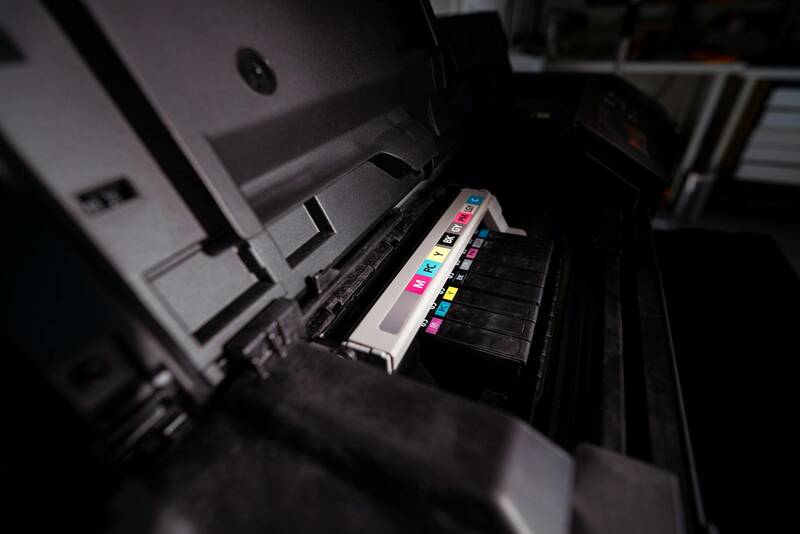
- Digital Printing: Ideal for small to medium runs, digital printing provides fast turnaround times and maintains high fidelity for complex color schemes and detailed graphics. It's cost-effective for orders where customization or frequent updates are needed. The process involves directly transferring the digital image onto the cardstock, allowing for precise color matching and quick production.
- Offset Printing: Suitable for large volume orders, offset printing delivers exceptional color consistency and sharpness. The process involves creating printing plates for each color and is optimal for producing vibrant, uniform images on sturdy materials. Although it requires a higher initial setup, offset printing offers economical per-piece costs for extensive batches.
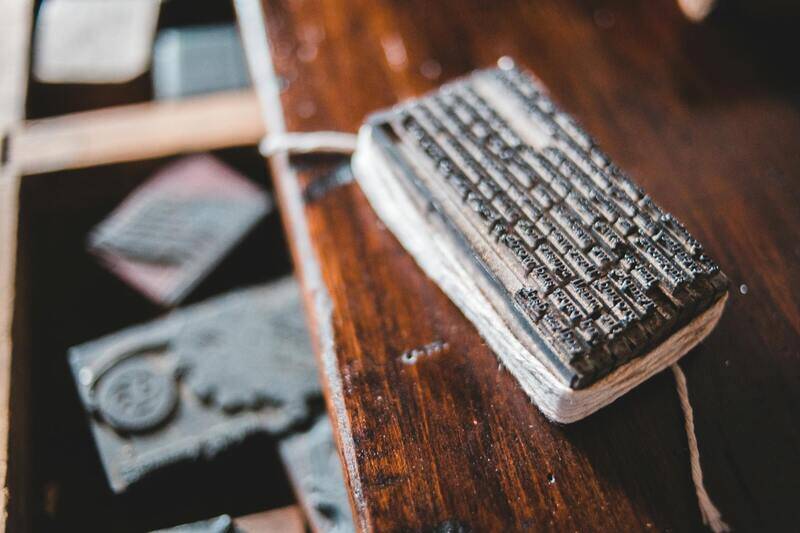
- Letterpress: Recognized for its tactile impressions and embossed effects, letterpress printing elevates the sensory appeal of your business cards. This method presses inked designs into thick, high-quality paper, creating a distinctive raised texture that communicates strength and tradition. Letterpress is often chosen for luxury branding or classic aesthetics.
- Foil Stamp: This technique involves applying metallic or pigmented foils to specific areas of the card, such as logos or text, to create a shiny, eye-catching effect. Foil stamping combines well with other printing methods and adds an element of elegance and sophistication.
- Letterpress with Foil: Combining embossing with foil stamping results in a highly textured, visually striking design that communicates prestige and meticulous craftsmanship. It is especially effective for companies looking to make a bold, memorable impression.
Choosing the appropriate method hinges on your branding goals, design complexity, and budget. Collaborate with your printing provider to discuss options that align with your desired aesthetic and functional needs. It is also beneficial to review samples of work produced using these methods, as material and technique combinations can significantly impact the overall look and feel of your final product.
Considerations for Quality Control and Final Approval
Maintaining quality standards throughout the printing process ensures your business cards accurately reflect your brand image. It is advisable to request proofs or samples before committing to a full order. Digital or physical proofs allow you to verify color accuracy, alignment, and the overall finish. During this phase, scrutinize details such as font clarity, logo placement, and material consistency.
Pay attention to the following points for optimal quality:
- Inspect the consistency of color reproduction and ensure the images and text are accurately rendered.
- Verify that the edges are clean and free of rough cuts, especially if custom shapes are involved.
- Ensure the embossing, foil, or textured finishes align precisely with the design specifications.
- Assess the durability of the finish—matte, glossy, or textured—to confirm it meets your handling and longevity requirements.

Careful review and approval at this stage help avoid costly reprints and ensure your final order is exactly what you envisioned. Working closely with your printing service provider during this step minimizes errors and enhances the overall professionalism of your business cards.
Choosing the Most Effective Methods for Ordering Business Cards
Utilizing Official and Reputable Printing Services
When it comes to producing high-quality business cards, selecting an established printing provider is essential. Reputable companies such as justprintcard.net offer a comprehensive range of printing options, ensuring your cards meet professional standards. These providers typically feature a user-friendly ordering interface, detailed product descriptions, and transparent pricing, helping you make informed decisions. Moreover, they conform to industry-standard printing practices, utilizing advanced technology and quality-controlled processes that guarantee consistency and durability of your cards.
Official print services also provide valuable customer support, enabling you to clarify specifications or seek guidance on design choices. This support helps prevent errors that could compromise the final product’s appearance or functionality. Many trusted providers offer sample kits or digital proofs, allowing you to review the design, colors, and layout before committing to a large order. This step is critical for ensuring that the finished business cards reflect your brand accurately and professionally.

Official Methods for Placing Orders
The most reliable way to order business cards with confidence involves using verified online platforms or direct contact with established print shops. Many companies, like justprintcard.net, facilitate online ordering through secure websites that accept various payment methods. These platforms often feature custom design tools, enabling you to upload your artwork or choose from pre-designed templates.
For those preferring a personalized touch or large-volume orders, reaching out directly by phone or email with a formal request helps establish clear communication channels. Sending a detailed order form specifying your design, quantity, card stock preferences, finishes, and delivery timelines ensures all aspects are documented and understood.
Maintaining a record of correspondence, receipts, and proofs during the ordering process provides a safeguard against potential discrepancies. This documentation is useful for tracking order progress and verifying that final products match your specifications.
Confirming Details Through Proofs and Samples
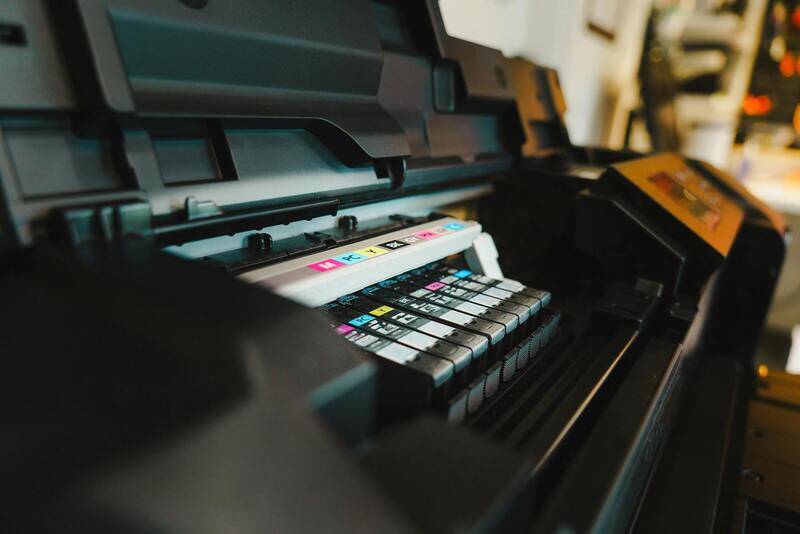
Before finalizing your order, utilizing official proofing methods is vital. Digital proofs, which can be reviewed electronically, allow you to verify color accuracy, layout, and text placement. For more tactile evaluation, requesting physical samples from the printer is highly recommended, especially for customized finishes or intricate designs.
This process helps identify potential issues early, such as misaligned elements, color discrepancies, or material inconsistencies. Approving these proofs confirms that your vision aligns with the printed output, reducing the likelihood of costly reprints and delays.
Effective communication with your chosen provider throughout the proofing stage ensures adjustments are made promptly. This collaborative approach results in business cards that meet your professional standards and contribute positively to your brand image.

Ensuring Order Accuracy Through Clear Communication
To guarantee that your final business cards meet your expectations, it is essential to maintain clear and precise communication with your chosen printing service. This includes providing detailed instructions and confirming all aspects of the order, such as design specifications, quantities, materials, finishes, and delivery schedules. Utilizing official communication channels, such as dedicated order forms or customer portals on reputable websites, ensures that your instructions are documented accurately and easily accessible for reference throughout the process.
In addition, requesting comprehensive order confirmations from the printing provider can serve as a verification step. These confirmations should include details like layout, colors, card dimensions, and finish options. Any discrepancies identified at this stage can be rectified early, saving time and avoiding additional costs associated with reprints.
Final Proof Review and Sign-Off
Before proceeding to print, it is vital to thoroughly review all proofs provided by the printer. Digital proofs typically allow for quick review and approval, offering a chance to examine color accuracy, font clarity, and layout precision. Physical samples, if available, provide an even closer look at the tactile elements and overall quality of the materials used.
During this review, pay attention to critical details such as alignment, image sharpness, and text readability. If any elements do not meet your standards, communicate necessary adjustments promptly. The ability to make corrections before mass production is crucial to ensuring the final product aligns perfectly with your branding and professional image.
Leveraging Technology for Ordering Efficiency
Modern online ordering platforms for business cards offer streamlined interfaces that guide you through each step of the process. These tools often include design templates that can be customized to fit your branding, as well as real-time previews to visualize the end product. Utilizing these features can reduce ambiguity, improve accuracy, and accelerate the overall order timeline.
Furthermore, many reputable providers offer order tracking functionalities. Keeping an eye on the progress through official portals helps manage expectations and prepares you for timely receipt of your cards. This transparency ensures a smooth transition from design to delivery, minimizing delays caused by miscommunication or logistical issues.
Documentation and Record Keeping
Throughout the ordering journey, maintaining detailed records—including order confirmations, proof approvals, and receipts—serves as an essential safeguard. This documentation will be invaluable if discrepancies arise or if you need to reference specific design choices or purchase details in the future.
Always double-check the final invoice to confirm that the billed amount matches your agreed-upon price, including any customization charges or additional services. Proper record keeping facilitates smooth transactions and ensures clarity during the fulfillment process.
Deciding on Card Size and Shape
Choosing the appropriate size and shape for your business cards plays a significant role in making a memorable impression while ensuring practicality. Standard business card dimensions are typically 3.5 x 2 inches, providing ample space for essential information while fitting comfortably into wallets and cardholders. However, exploring non-traditional sizes and shapes can help your cards stand out in a competitive environment.
When selecting a shape, options extend beyond the conventional rectangle. Rounded corners, circular, or uniquely die-cut shapes tailored to your brand identity can enhance visual appeal and tactile experience. It is crucial, however, to balance creativity with professional standards to maintain clarity and avoid inconvenience during handling or storage.
Size variations should consider the legibility of text and images. Compact designs may limit the amount of information you convey but can be effective if kept uncluttered. Larger cards offer more space for branding elements but must be carefully designed to avoid overwhelming the reader. Additionally, consistency with industry norms facilitates easy recognition and usability.
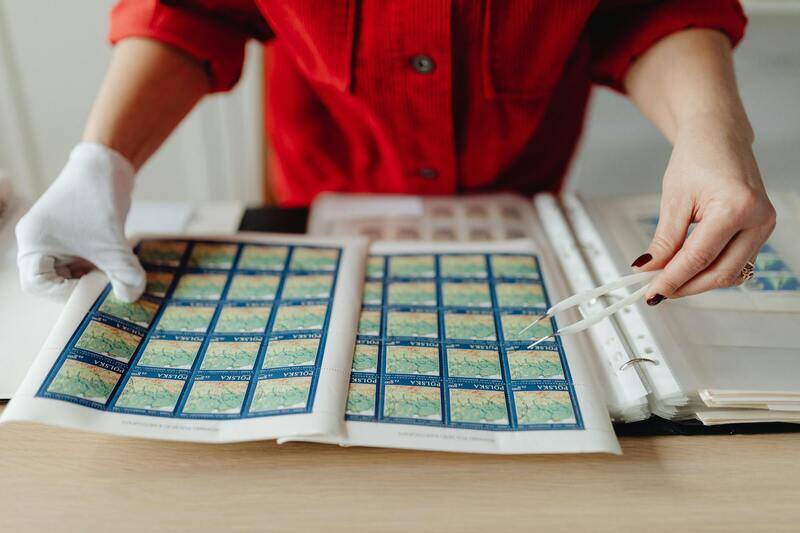
Beyond traditional business cards, options like square, slim, or folded designs provide innovative ways to communicate your branding. Folded cards can contain additional information or showcase promotional offers, while slim variants are ideal for minimalist aesthetics. When choosing these options, verify that the design remains clear and impactful, and that materials used support durability for daily handling.
Ordering Process and Lead Time
Once design decisions are finalized, the straightforward ordering process facilitated by reputable online print service providers ensures efficiency and reliability. Most platforms enable direct uploading of design files, selection of preferences, and secure payment options through an intuitive interface. Careful review of proofs and specifications prior to submission helps prevent errors that could delay production.
The lead time for business card orders varies depending on the complexity of design, material selection, and the chosen shipping method. Typical turnaround times range from a few business days to a couple of weeks. Engaging with providers who offer clear estimates and tracking solutions enhances planning accuracy and ensures timely delivery.
When planning your order, consider potential bottlenecks such as high demand periods or custom finishes that may extend processing times. Ordering well in advance provides a buffer to accommodate unforeseen delays, especially if you require the cards for a specific event or launch.
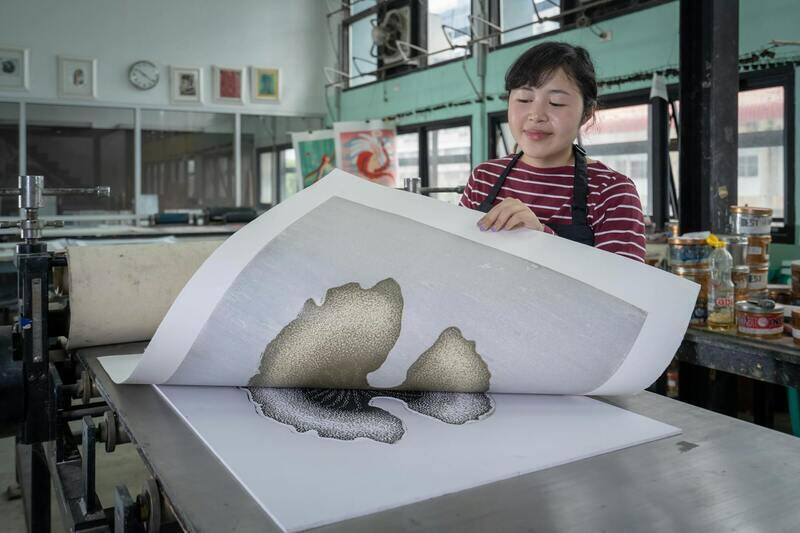
Staying informed about each stage of the process through official tracking tools minimizes surprises and allows you to coordinate subsequent branding or distribution activities effectively. Ensuring alignment between your design expectations and production capabilities through ongoing communication with your chosen provider guarantees satisfaction with the final product, safeguarding your professional image.
Additional Customization Options
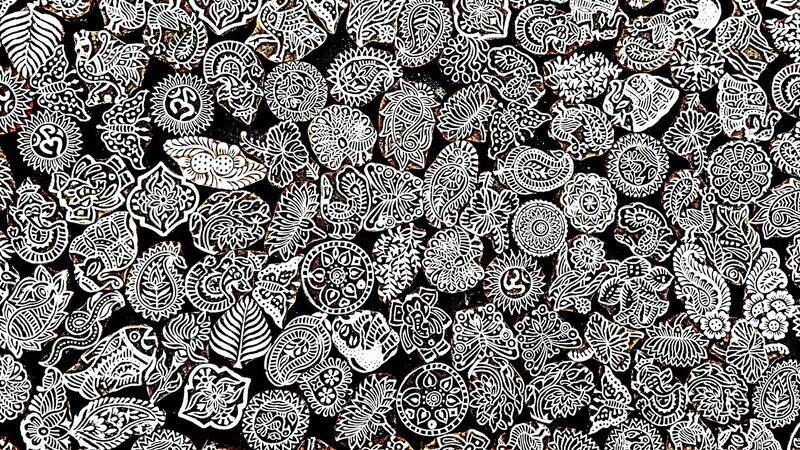
To enhance the impact and distinctiveness of your business cards, consider leveraging additional customization options available through reputable printing services. These options include special coatings for durability, foil stamping to add a metallic sheen for elegance, and embossing or debossing techniques to create tactile textures that stand out visually and physically. Laser-cut designs can also introduce intricate shapes or window features, providing a modern and creative touch, which can be particularly effective for creative industries or professional portfolios.
Color customization is another crucial aspect; opt for custom Pantone color matching to ensure brand consistency and precise color reproduction. Some providers also offer textured finishes such as linen or suede-like surfaces, adding a premium feel. Spot UV coating can be applied selectively to highlight specific elements, like logos or contact information, drawing attention with a glossy contrast against matte backgrounds. Die-cut shapes allow you to break away from conventional rectangular cards, experimenting with circles, ovals, or unique cut-outs to capture attention at networking events or meetings.
Tips for Ensuring Quality and Accuracy
Achieving high-quality, accurate results when ordering business cards hinges on meticulous preparation and communication. Begin by verifying that your digital files adhere to the recommended specifications set by your chosen printing provider, including resolution, bleed areas, and color profiles. Using vector graphics for logos and icons ensures clarity at any scale, avoiding pixelation or blurriness.
- Proofread thoroughly: Double-check all text, contact details, and graphics to prevent errors that could undermine professionalism.
- Request physical or digital proofs: Reviewing sample proofs allows you to assess how colors, fonts, and finishes translate from screen to print, enabling adjustments before final printing.
- Utilize high-resolution images: Ensure that your images are at least 300 DPI to maintain sharpness and prevent pixelation in print.
- Confirm color consistency: When color accuracy is vital, request color-matched samples or swatches to compare with your branding palette.
- Communicate clearly with the printer: Provide explicit instructions on finishes, special effects, and any adjustments needed to meet your expectations.
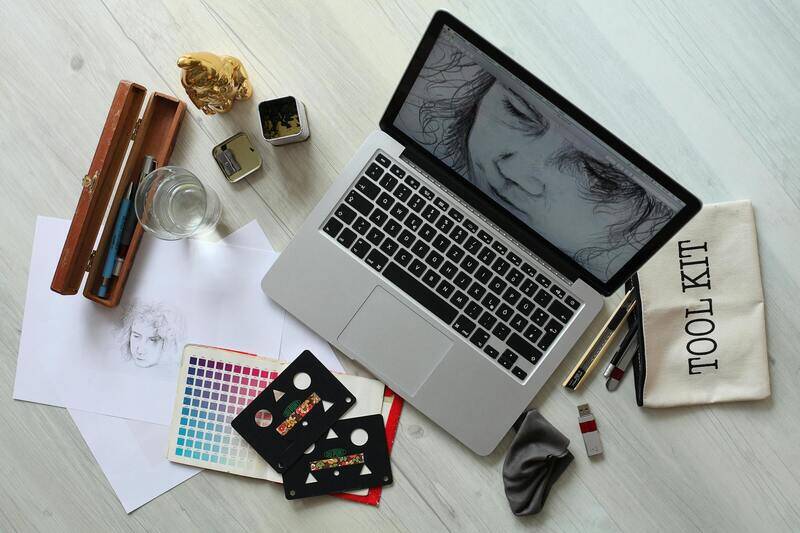
By following these practices, you reduce the risk of discrepancies and ensure that the final product aligns perfectly with your branding goals. Careful attention during the design and ordering phases helps produce business cards that not only look professional but also serve as effective tools for making lasting connections.
How to Place Your Order for Business Cards Through JustPrintCard.net
Once you've finalized your design, materials, and finishes for your business cards, the next step involves placing a precise and efficient order to ensure the final product aligns with your expectations. Utilizing legitimate ordering channels like JustPrintCard.net guarantees you access to a streamlined process, reliable quality, and professional customer support to guide you throughout.
Step-by-Step Ordering Process
- Account Creation or Login: Begin by creating an account on JustPrintCard.net or logging into an existing one. This step ensures your order details are saved securely and allows you to track progress, review past orders, and access exclusive customization options.
- Upload Your Design Files: Upload high-resolution design files according to the specifications provided by the site. Confirm that your files are in the correct format, typically PDFs or vector files, and ensure they meet the recommended resolution for crisp printing results.
- Select Quantity and Options: Choose the desired quantity of business cards. Larger orders often benefit from discounted rates. Simultaneously, select your preferred material, finish, shape, and additional customizations to match your branding needs.
- Review and Customize: Use the online preview tool—if available—to review your design. This step helps you identify any misalignments or errors before confirming the order.
- Confirm Shipping Details: Enter accurate shipping information. Verify details to prevent delays and ensure timely delivery.
- Review Final Order Summary: Before finalizing, double-check all selections including design, quantity, finishes, and shipping address. Confirm the total cost and estimated lead time.
- Place the Order: Submit your order through the website’s secure checkout process. Keep a copy of your confirmation receipt and tracking number for future reference.
Estimating Lead Time and Delivery
Order processing times vary depending on the complexity of your design, chosen materials, and order volume. Typically, standard production can take between 3 to 7 business days. Expedited options might be available for urgent needs, often with additional costs. Once your order is dispatched, tracking information is provided to monitor the delivery process, minimizing surprises and allowing you to prepare for receipt.
Ensuring Uninterrupted Workflow
Planning your order well in advance aligns your business card delivery with upcoming meetings, conferences, or networking events. This foresight guarantees your cards are ready when needed, avoiding last-minute rushes that could compromise quality or timeliness. For larger or recurring orders, establishing a regular schedule or using subscription services can streamline procurement and maintain consistency across your branding materials.