Understanding Business Card Importance
In Singapore’s dynamic and competitive business landscape, a well-designed business card serves as a vital tool for establishing professional credibility and fostering meaningful connections. As a tangible representation of your personal and corporate brand, business cards facilitate quick sharing of contact information during meetings, conferences, and networking events. They embody professionalism and attention to detail, leaving a lasting impression on potential clients, partners, or collaborators.
Within Singapore’s bustling economic environment, effective networking can open doors to new opportunities and collaborations. Having a memorable and efficiently crafted business card ensures that your contact details are readily accessible and reflect the quality and ethos of your brand. Moreover, in a city renowned for its innovation and professionalism, a thoughtfully designed business card can differentiate your business from competitors and reinforce your commitment to excellence.
Beyond simple contact sharing, business cards also function as a visual marketing tool. They can subtly communicate your company's values, industry focus, or unique selling propositions through design elements, color schemes, and typography. In Singapore’s cosmopolitan context, where diverse industries flourish—from finance and technology to creative arts—customized business cards help tailor your message and stand out in a crowded market.
Professionals recognize that a high-quality business card can be a critical aspect of personal branding. Whether you are an entrepreneur, investor, or corporate executive, your business card is often the first physical representation of your business your contacts will encounter. Hence, investing in well-designed, durable, and visually appealing business cards is a strategic move that can significantly influence perceptions and future interactions.

Design Elements for Effective Business Cards
- Clear and Legible Typography: Use fonts that are easy to read at a glance, ensuring contact details are accessible.
- Consistent Branding: Incorporate your company’s logo, color scheme, and design motifs to reinforce brand recognition.
- Balanced Layout: Maintain a clean layout that guides the eye naturally across the card, highlighting key information.
- Relevant Information: Include vital details such as name, position, company, phone number, email, and website.
- Unique Touches: Subtle design features or finishes can make your card memorable but should complement the overall aesthetic.
Choosing the Right Material and Finish
The material and finish of your business card influence its durability and tactile appeal. Options range from standard cardstock to premium textured papers, which impart a luxurious feel. Matte finishes offer a sleek, sophisticated look and reduce glare, while gloss coatings enhance vibrancy and color richness. Select materials that align with your brand identity and the impression you want to project, ensuring your cards withstand handling over time.
Printing Methods for Business Cards
When it comes to self-printing your business cards, selecting the appropriate printing method is crucial to achieving professional results that match your brand’s image. Different printing techniques offer various benefits, durability, and visual effects, making it important to understand their nuances before committing to a specific process.
Offset Printing
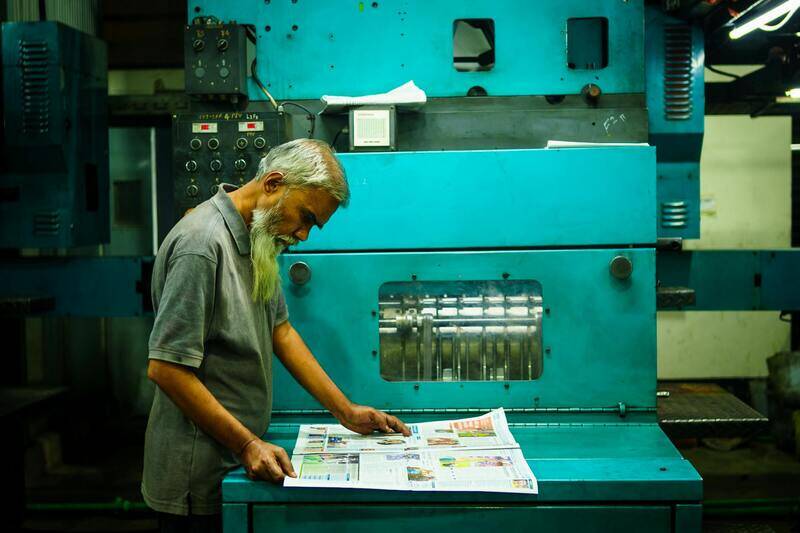
Offset printing is a traditional technique that involves transferring ink from a plate to a rubber sheet, then onto the printing surface. Ideal for large quantities, it produces high-quality, consistent images and precise color reproduction. However, offset printing requires a higher initial setup cost and is less cost-effective for small print runs, making it more suitable for businesses with ongoing high-volume needs.
Digital Printing
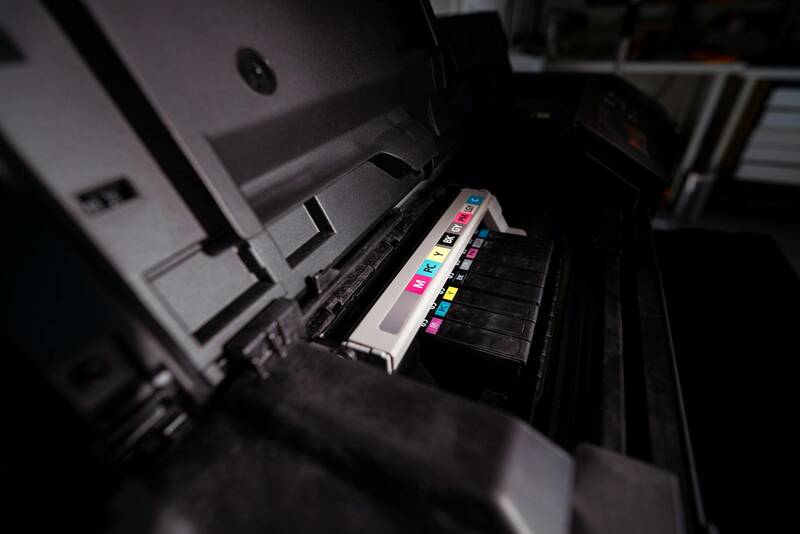
Digital printing has become a popular choice for small to medium-sized batches of business cards. This method involves directly printing digital images onto the card material, enabling quick turnaround times and customization options. Digital printing excels in delivering sharp text, vibrant colors, and the flexibility to update designs frequently without additional setup costs. It is a cost-efficient solution for entrepreneurs seeking professional-quality cards without large-scale investment.
Letterpress and Embossing
For a premium tactile experience, letterpress printing introduces a raised impression on the card surface, giving a distinct texture and luxurious appearance. Embossing and debossing techniques can also add dimension, highlighting specific design elements such as logos or names. These methods may require specialized equipment and higher costs but significantly enhance the perceived value of your business cards.
Thermography
Thermography printing creates a raised ink effect, similar to embossing, but at a lower cost. It involves applying a resin powder that, when heated, fuses to the ink, resulting in a textured, shiny surface. This method offers an affordable way to add a professional, tactile feature to your business cards, ensuring they stand out.
Screen Printing
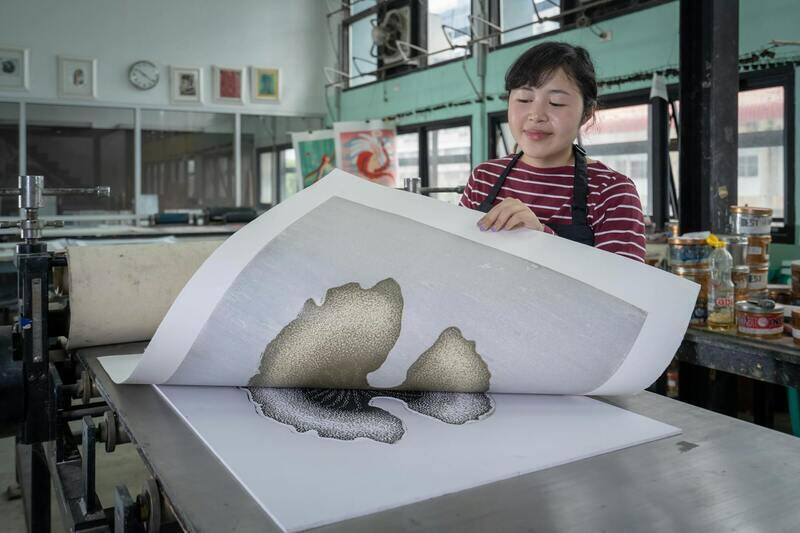
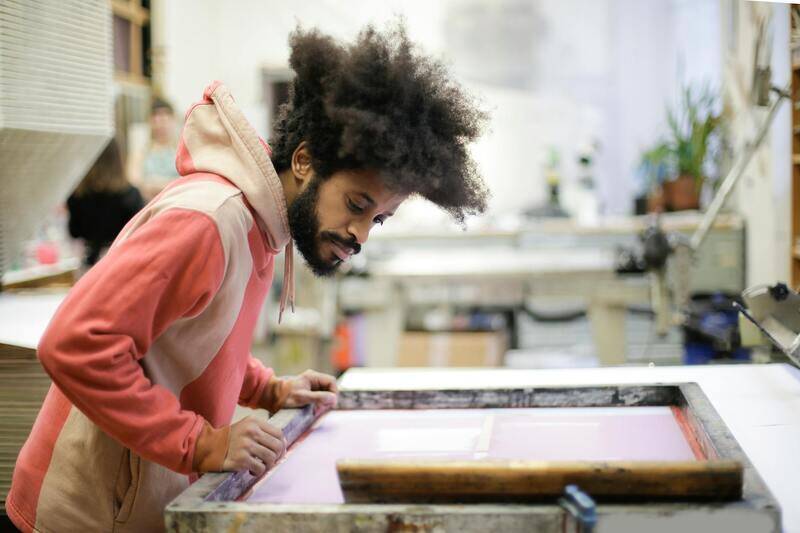
Screen printing is suitable for limited color palettes and bold designs. It involves creating a stencil (screen) and using it to apply ink onto the surface of the card. While less common for business cards due to its manual process and longer production times, it remains a viable option for custom or specialty designs requiring thick ink layers or unique textures.
Choosing the Right Printing Method
Consider your budget, desired card appearance, volume, and turnaround time when selecting a printing method. For high-volume orders with intricate designs and vibrant color fidelity, offset or digital printing may be ideal. If you aim for a tactile, high-end feel, techniques like letterpress or thermography can add sophistication. Evaluating these factors will ensure your business cards reflect your professional image effectively while remaining cost-efficient.
Official Methods for Printing Your Business Cards
Creating professional business cards independently requires using legitimate, proven methods that guarantee both quality and durability. These methods ensure that your cards are not only visually appealing but also withstand regular handling without fading or damage.
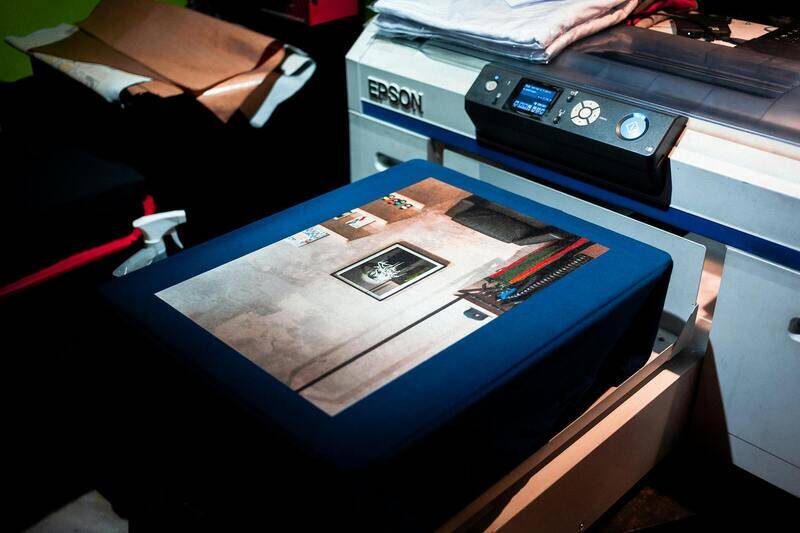
One of the most accessible and dependable options is digital printing. This method employs advanced toner-based technology similar to that used in desktop printers but scaled to produce high-quality, multi-colored business cards. Digital printing offers quick turnaround times and is cost-effective for small to medium quantities, making it ideal for startups or professionals needing personalized designs with sharp details.
Offset printing remains a standard for bulk orders where consistent high-quality output is prioritized. This technique involves transferring ink from a plate onto a rubber sheet before printing onto the paper. The process facilitates vibrant color reproduction and fine detail, suitable for large batches of custom business cards intended to make a strong professional impression.
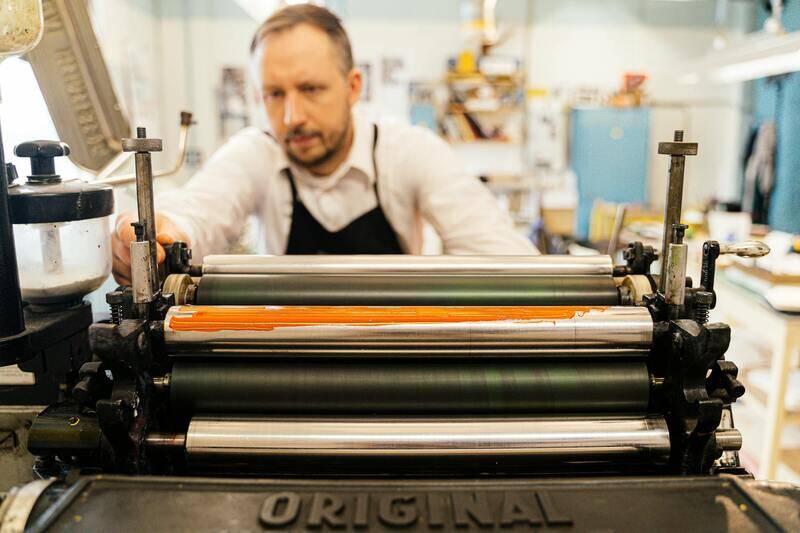
Letterpress printing offers a tactile experience through impressions that create slight indentations on the card surface. This traditional method, which presses the design into the paper, imparts a sense of craftsmanship and luxury. Professional printers utilizing die-cutting and premium materials can achieve remarkable depth and clarity, transforming simple cards into memorable branding tools.
Thermography, as previously highlighted, uses heat to create raised ink effects, adding texture without dramatically increasing costs. It enhances the tactile feel and visual impact, making your cards more noticeable during personal exchanges.
For those seeking a versatile and environmentally friendly option, vegetable-based inks and recycled papers can be employed with these legitimate printing techniques, aligning with sustainable business practices while maintaining a polished appearance.
Practical Considerations for Self-Printing Business Cards
- Choosing Suitable Equipment: Invest in a high-resolution color printer that supports thick cardstock to achieve crisp text and vivid images.
- Utilizing Quality Materials: Select durable, weighty papers with professional finishes such as matte, gloss, or textured surfaces to elevate the card’s appeal and longevity.
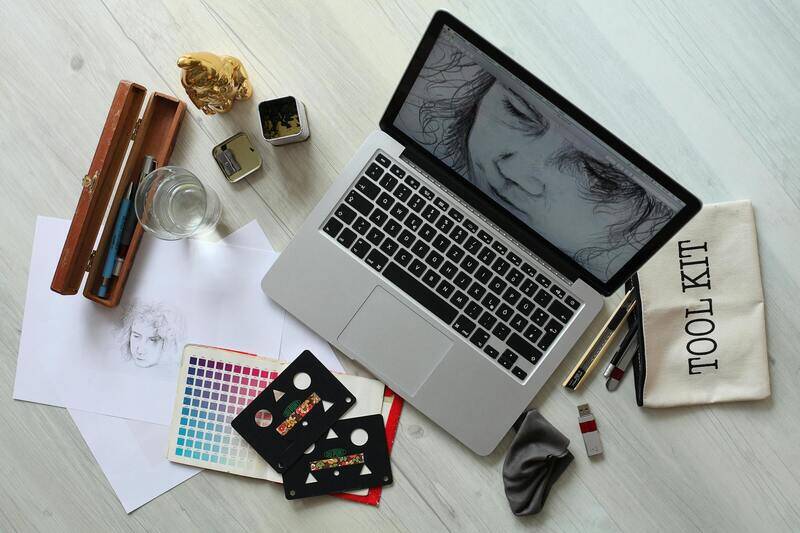
- Design Software: Use vector-based design programs to prepare your layouts, ensuring compatibility with printing equipment and maintaining resolution integrity.
- Adhering to Industry Standards: Follow standard business card dimensions (usually 3.5 x 2 inches) and bleed guidelines to prevent unwanted cuts or margins in the final product.
Ensuring Legitimacy and Quality in DIY Business Card Printing
Utilizing officially sanctioned printing methods and quality materials helps produce consistent, professional results. Always source your supplies from reputable suppliers and verify the specifications of your printing equipment matches the recommended technical requirements. For intricate designs or custom finishes, consulting with experienced print specialists can optimize your outcomes and avoid costly mistakes.
Maintaining a meticulous approach—from designing to final printing—sets the foundation for business cards that accurately represent your brand and leave a lasting impression on potential clients and partners. Remember, the value of your card lies not only in its design but also in the quality of the printing process behind it.
Understanding Business Card Importance
Business cards serve as a tangible representation of your professional identity and brand. They are often the first point of contact with potential clients, partners, and collaborators, making their quality and design critical to establishing credibility. Well-crafted cards communicate professionalism, attention to detail, and a clear message about your business values. In an era dominated by digital communication, a carefully printed business card still offers a personal touch that can leave a lasting impression. Furthermore, having a high-quality card demonstrates your commitment to your business, fostering trust and opening doors for future opportunities.

Design Elements for Effective Business Cards
Effective business cards harmonize several key design elements to communicate clarity and professionalism. The layout should be organized, ensuring that critical information such as your name, title, contact details, and company logo are prominent and easy to read. Color schemes should align with your branding, using complementary tones that evoke the desired emotional response. Typography choices should prioritize legibility; avoid overly decorative fonts that can hinder readability. Incorporating whitespace strategically prevents the card from appearing cluttered, allowing important details to stand out.
Imagery or icons can be used to reinforce branding or provide visual cues about your services. For instance, a graphics symbol associated with your industry can subtly enhance recognition. Additionally, including a visually appealing logo provides consistency across all branding materials, fostering recognition and trust. When designing, adhere to the standard dimensions of 3.5 x 2 inches, ensuring compatibility with cardholders and wallets. Incorporate bleed areas and margins to prevent unintended cropping during printing. Digital tools or professional design software can facilitate precise layout adjustments, ensuring your business card meets aesthetic and functional standards.
Choosing the Right Material and Finish
The material selection significantly influences the tactile experience and durability of your business cards. Heavyweight paper stocks, typically ranging from 14pt to 32pt thickness, convey quality and sturdiness. Options such as matte, gloss, or textured finishes offer different visual effects and tactile sensations, allowing you to tailor the card's feel to suit your brand identity. Matte finishes provide a sophisticated, non-reflective surface ideal for minimalist designs, while gloss enhances colors and images, making them pop. Textured finishes, such as linen or soft-touch coatings, add a unique touch that can distinguish your cards from competitors.
For added durability, consider laminations or specialty coatings that protect against moisture, smudges, and wear. If eco-friendliness aligns with your brand, selecting recycled or plant-based materials can reinforce your commitment to sustainability. Custom shapes or die-cut designs can further customize the presentation, but ensure that the printing process and selected materials support such modifications. Ultimately, the material choice complements your design, enhancing both appearance and longevity of your business cards.
Choosing the Appropriate Printing Method for Your Business Cards
When it comes to producing high-quality business cards, selecting the proper printing method plays a pivotal role in achieving the desired clarity, durability, and overall aesthetic. Each printing technique offers distinct advantages, and understanding these options ensures your business cards reflect professionalism and attention to detail.
offset Printing
Offset printing is a widely used method for large-volume production, offering excellent color fidelity and sharp images. This process involves transferring ink from a plate to a rubber sheet, then onto the business card material. It is highly cost-effective for bulk orders and ensures consistent quality across many copies. Offset printing is ideal for complex designs with vibrant colors, gradients, and detailed artwork, making it a popular choice for corporate branding and marketing materials.
Digital Printing
Digital printing has gained popularity due to its convenience and flexibility, especially for small runs or personalized business cards. Unlike offset, digital printing does not require plates; instead, images are printed directly onto the material via digital files. This method allows quick turnaround times and easy customization, making it perfect for businesses that frequently update their contact details or branding elements. The quality of digital printing continues to improve, with high-resolution outputs that rival traditional techniques.
Letterpress Printing
For a tactile and visually distinctive finish, letterpress printing provides a premium effect by embossing or debossing the text or design onto the card surface. This method creates a textured depth that adds sophistication and enhances the card's perceived value. Letterpress is often paired with thick, high-quality materials and metallic or colored inks to create a luxurious feel. However, it is generally suited for smaller quantities due to the setup process involved.
Foil Stamping and Spot UV Coating
Beyond printing methods, additional finishes like foil stamping and spot UV coating can elevate the design. Foil stamping applies metallic or pigmented foil to selected areas, providing eye-catching accents and a sense of opulence. Spot UV coating adds a glossy, raised finish to specific parts of the design, such as logos or images, offering a striking contrast against matte or uncoated backgrounds. Combining these techniques with the primary printing method results in a bespoke, professional appearance that leaves a lasting impression.
Considerations for Selecting Your Printing Technique
- Volume: Bulk orders are usually more economical with offset printing, while digital caters to smaller runs or variable data.
- Design Complexity: Intricate images and color gradients favor offset or digital methods, whereas embossed or textured designs benefit from letterpress or specialty finishes.
- Budget: Cost considerations influence the choice, with digital printing often being more cost-effective for limited quantities.
- Turnaround Time: Digital printing provides faster delivery options, suitable for urgent needs.
- Brand Image: High-end finishes like foil stamping or letterpress can communicate premium status and attention to detail.
Choosing the Right Material and Finish
Selecting the appropriate material for your business cards significantly impacts their durability and overall impression. Common options include standard cardstock, which offers a reliable balance between cost and quality, and premium options like matte, gloss, or textured finishes for a more sophisticated feel. Specialty materials such as plastic or metal cards provide a unique, tactile experience that can set your brand apart. Consider how your target audience perceives durability and luxury when making your choice.
Finish Types and Their Impact
- Matte Finish: Offers a non-reflective surface with a soft, elegant appearance. It reduces fingerprints and glare, making it ideal for detailed designs or text-heavy cards.
- Gloss Finish: Provides a shiny, vibrant look that enhances colors and images. Suitable for designs that require eye-catching visuals and a luxurious touch.
- Soft Touch Finish: A velvet-like texture that adds a layer of tactile sophistication, suitable for high-end branding.
- Textured Finish: Embossed, debossed, or linen textures add depth and interest, communicating quality and attention to detail.
Specialty Materials
For brands seeking to make a bold statement, specialty materials like transparent or frosted plastic, metallic sheets, or even metal can be used. These materials improve durability and create a memorable impression that aligns with innovative branding strategies.
Printing Methods for Business Cards
Implementing legitimate printing techniques ensures your business cards not only look professional but also meet industry standards for quality and consistency. Two primary methods are widely used—offset printing and digital printing, each suitable for different needs and quantities.
Offset Printing
Ideal for high-volume production, offset printing provides exceptional color accuracy and sharp details. It involves creating plates for each color used, making it cost-effective for bulk orders. Offset offers versatile options for special finishes and spot colors, perfect for brands that require precise color matching and high-quality results.
Digital Printing
Perfect for smaller runs or personalized designs, digital printing offers quick turnaround times and cost efficiency without sacrificing quality. It supports variable data printing, allowing customization for individual cards or targeted marketing campaigns. The method is compatible with a wide range of materials and finishes, making it highly adaptable for various branding needs.
Additional Legitimate Techniques
- Letterpress: Creates a tactile, embossed effect that conveys craftsmanship and attention to detail.
- Thermography: Adds a raised, glossy finish to printed elements, suitable for highlighting specific details.
- Screen Printing: Used for large quantities of simple designs on specialty materials, often for promotional or event-specific cards.

Designing and Formatting Your Business Cards
Professional business card design involves strategic use of layout, typography, and spacing to communicate your brand effectively. Keep in mind that adhering to industry standards and best practices ensures your cards will be both visually appealing and functional.
Key formatting considerations include:
- Consistent Branding: Use your company logo, brand colors, and fonts to strengthen brand recognition.
- Clear Hierarchy: Highlight essential information such as your name, title, contact details, and company name through size, color, or placement.
- Sufficient White Space: Maintain balance to prevent clutter and enhance readability.
- Accurate Alignment: Ensure all elements are properly aligned for a professional look.
- Safe Margins: Keep critical information and designs within the bleed areas to prevent trimming issues.
When formatting your design, consider the standard dimensions (usually 3.5 x 2 inches in many regions) to ensure consistency across different printing providers. Incorporate legible fonts, high-resolution images, and appropriate contrast to improve legibility and visual appeal.

Where to Print Business Cards in Singapore
Singapore offers a diverse array of options for entrepreneurs and professionals looking to print their own business cards, ranging from local print shops to online platforms, as well as DIY solutions. Each method provides unique advantages that cater to different needs, budgets, and timelines.
Local Printing Services
Many physical print shops across Singapore specialize in business card printing, providing personalized service with expert guidance on design, materials, and finishes. Visiting a local printer allows for face-to-face consultations, which can be especially beneficial for those requiring high-quality, custom options or rapid turnaround times. Established print houses often offer a variety of premium paper stocks, special finishes, embossing, and foil stamping, enabling a professional, sophisticated look that complements your brand identity.
Examples of popular local printing companies include dedicated print boutiques and business service centers. These providers typically support smaller volume orders with high attention to detail, making them ideal for professionals requiring bespoke business cards for networking, conferences, or corporate branding initiatives.
Online Custom Printing Platforms
Online printing platforms like justprintcard.net facilitate the easy creation and ordering of business cards through user-friendly interfaces. These platforms often include templates, customizable layouts, and easy upload options, streamlining the process for busy professionals. The convenience of ordering from the comfort of your office or home, combined with competitive pricing and quick shipping options, makes online platforms a popular choice for entrepreneurs and small businesses.
When selecting an online provider, it’s important to review their product portfolio—ensuring they offer high-resolution printing, environmental-friendly options, and a variety of finishes such as matte, gloss, or textured coatings. Many platforms also provide sample kits, allowing you to evaluate paper quality and finish before placing a large order.
DIY Methods for Printing Your Own Cards
For those seeking complete control and hands-on involvement, DIY printing offers a flexible approach. With desktop inkjet or laser printers, small batches of business cards can be produced at home or in the office, suitable for quick updates, personal branding, or low volume needs.
To achieve professional results, use high-quality printable cardstock designed explicitly for business cards. Choose templates and layout software that support precise cutting lines and bleed areas, ensuring a clean, crisp finish. Incorporating tools like guillotine cutters or corner rounders can enhance the professional appearance of your DIY cards.

While DIY methods offer flexibility, they may require investment in quality materials and equipment to match the standards of professionally printed cards. Carefully consider your primary purpose—whether for immediate distribution, testing new designs, or creating personalized cards—to determine if a self-printing approach aligns with your business objectives.
Ultimately, the choice among local printing services, online platforms, or DIY solutions depends on your specific requirements, budget considerations, and desired level of customization. Leveraging the right printing method ensures your business cards effectively communicate your brand’s professionalism and uniqueness, contributing positively to your networking strategies and brand presence in Singapore’s competitive market.
Choosing the Appropriate Printing Method for Your Business Cards
When considering how to print your business cards independently, selecting the right printing method is paramount to ensure quality, durability, and a professional presentation. Several methods are suitable for self-printing, each with specific advantages and considerations.
Desktop Inkjet and Laser Printing
Most commonly used for home or small office setups, desktop inkjet and laser printers provide convenience and cost-effectiveness for producing small batches of business cards. Selecting high-quality, compatible consumables like photo-quality ink and thick, premium cardstock enhances the appearance of your cards. Inkjet printers excel at vibrant color reproduction, making them suitable for designs with complex graphics or photographs. Laser printers, on the other hand, offer sharper text and faster printing speeds, ideal for text-heavy designs or bulk production.
Digital Printing
For those seeking a balance between quality and convenience, digital printing technologies such as toner-based or inkjet-based digital presses can be used with compatible consumer-grade equipment. While more advanced than basic desktop printers, digital printing allows for a level of customization without the need for traditional printing plates, making it accessible for smaller volumes.
Specialized DIY Printing Equipment
Professionally designed craft printers and cutting machines can further enhance self-printed business cards. Cutting tools like guillotine cutters, corner rounders, or perforation devices ensure precise shaping and finishing, providing a polished, professional look. Incorporating embossing or foil-stamping tools can add tactile elements and visual flair to your cards, elevating the overall impression.

Choosing the Right Paper and Finishing Options
The material and finish of your business cards directly influence their durability and visual appeal. Thick cardstock with a weight of at least 300gsm is typically preferred for a sturdy feel. Finishes such as matte, gloss, or soft-touch coatings can be applied during or after printing, offering protection and enhancing the tactile experience. Special treatments like embossed patterns,Spot UV coating, or lamination further distinguish your cards, making them stand out among competitors.
Considerations for Successful Self-Printing
- Alignment and Layout: Use layout software that supports bleed, margins, and registration marks to achieve precise cuts and prevent misalignment.
- Color Management: Calibrate your monitor and printer to ensure color consistency, reflecting your brand’s palette accurately.
- Cutting Accuracy: Invest in or utilize professional cutting tools for clean, straight edges and consistent sizing.
- Quality Control: Review proofs meticulously before printing the entire batch to avoid errors and material waste.
Final Tips for Printing Your Business Cards
Experiment with sample prints in advance to fine-tune color settings and layout adjustments. Keep tools and materials organized to facilitate consistency across batches. Regular maintenance of your printing equipment ensures longevity and sustained print quality. By understanding and implementing proper DIY printing techniques, you can produce visually compelling and professional business cards that effectively communicate your brand identity.
Related Tags: