Design and Editing Considerations
Creating stunning large photo prints begins long before the printing process starts. The initial phase involves careful selection and preparation of your images to ensure they translate beautifully onto a large-scale display. High-resolution images are paramount; they provide the necessary detail and clarity required when enlarging photos, maintaining sharpness and vibrancy without pixelation. It is advisable to work with images that are at least 300 dpi at the final print size, or utilize upscaling methods backed by professional software when necessary.
Cropping is another essential aspect of image preparation. Proper cropping can emphasize the main subject and eliminate distracting elements, resulting in a balanced composition. Keep in mind that resizing images slightly might be necessary to fit the desired print dimensions while maintaining aspect ratio. Avoid stretching or compressing images disproportionately, as this can lead to distortion and degrade visual quality.
Color correction also plays a critical role. Adjustments to brightness, contrast, and saturation ensure that colors are vibrant yet natural. Calibration of monitors used for editing, along with color profiles, guarantees consistency between your digital file and the printed output. When preparing images for large photo prints, consider the environment where the final piece will be displayed, and tailor color tones accordingly to enhance the visual impact.
Additionally, employing batch processing techniques can streamline editing workflows when working with multiple images meant for large-format printing. The objective is to optimize image quality while maintaining natural appearances. This ensures that every detail, from subtle shadows to vivid highlights, is preserved and rendered accurately in the final print.
Finally, saving files in appropriate formats, such as TIFF or high-quality JPEG with minimal compression, preserves image details. These formats support the high fidelity needed for large photo prints, ensuring that no quality is sacrificed during the transfer to printing services. Using this meticulous approach, you lay a solid foundation for producing impressive, professional-grade large photo prints that will stand the test of time and captivate viewers.
Advanced Design and Editing Considerations
Creating a large photo print with exceptional visual clarity requires meticulous attention to detail during the design and editing process. High-resolution images serve as the foundation, ensuring that enlarged prints retain sharpness and fine details without pixelation or blurring. When preparing your images, pay particular attention to the aspect ratio, aligning it with your intended print dimensions to prevent unwanted cropping or stretching. Avoid manipulating images by distorting their proportions, as this can compromise quality and the overall aesthetic.
Color fidelity is another critical element. Calibration of editing monitors ensures that colors displayed on your screen match those in the final print. Utilizing consistent color profiles, such as Adobe RGB or sRGB, helps in achieving uniformity across different devices and platforms. When adjusting colors, aim for vibrancy that enhances the image without appearing over-saturated or unnatural, especially considering the viewing environment for the print.
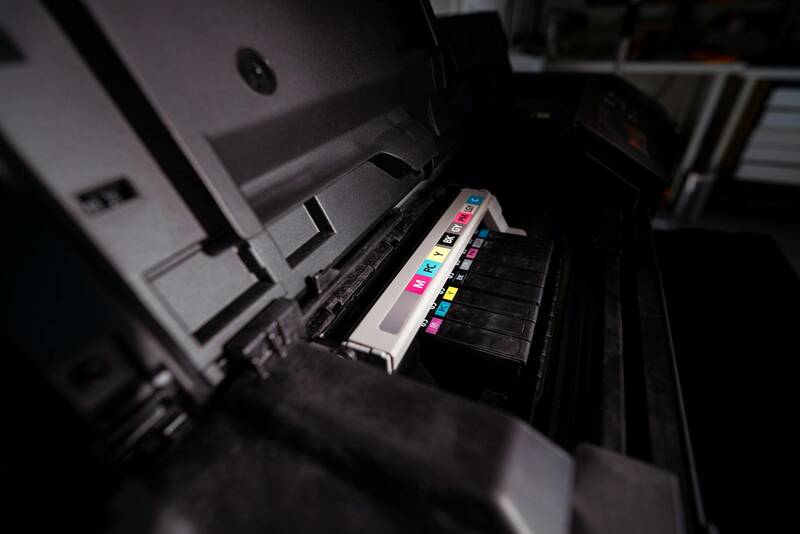
Batch processing software can be instrumental in streamlining edits when working with multiple images for large-format printing. Applying uniform adjustments such as sharpening, noise reduction, and color correction across a series of images ensures consistency and efficiency. Saving files in formats like TIFF, which preserve maximum image data, or high-quality JPEGs with minimal compression, is crucial for maintaining detail integrity during the printing process.
In addition to technical considerations, reviewing images in the environment similar to where they will be displayed can inform final adjustments. For instance, images viewed from a distance in a gallery or large room might require different contrast or color balance than those intended for close-up viewing in a personal or commercial setting. Proper preparation in this phase significantly influences the final impact of your large photo print, transforming it into a captivating visual experience for viewers.
Design and Editing Considerations
When preparing images for large photo prints, meticulous attention to design and editing details is essential to achieve a striking final product. These considerations ensure the image maintains clarity, vibrancy, and the intended artistic impact once enlarged. One of the primary aspects is maintaining high image resolution. For large-format prints, a minimum resolution of 150 DPI is often recommended; however, aiming for 300 DPI or higher provides sharper detail, especially for closer viewing angles.
Image composition is also critical. It’s advantageous to crop and resize images with the final print dimensions in mind, avoiding excessive cropping that diminishes resolution or alters the intended visual balance. Incorporating margins or borders can frame the image effectively and prevent unintended cropping during the printing or framing process.
Color grading must be approached with care. Opt for subtle adjustments that enhance contrast, vibrancy, and overall tone without compromising the natural look of the photograph. Use calibrated monitors to facilitate precise editing so that colors are consistent and true to life. Applying appropriate color profiles, such as Adobe RGB for wider color gamut or sRGB for online consistency, aids in translating digital edits to physical prints accurately.
Managing noise and sharpening is equally important. Use noise reduction techniques to clean up grain without losing detail, and apply sharpening selectively to areas that benefit most from enhanced clarity. This targeted approach prevents over-sharpening, which can introduce unwanted artifacts when scaled up to larger sizes.
Preparing files in appropriate formats is crucial. Lossless formats like TIFF preserve maximum image data, providing optimal quality for printing. If file size is a concern, high-quality JPEGs with minimal compression can be used; however, always verify that compression artifacts do not degrade image integrity. Organizing files in a systematic manner facilitates efficient batch processing of multiple images, ensuring consistent quality across a series of large prints.
Finally, before finalizing the image, review it in lighting conditions similar to where the print will be displayed. Viewing the image under different lighting conditions can reveal adjustments needed to optimize contrast, brightness, and color balance. This practice ensures the print will resonate with viewers and retain its visual impact regardless of the environment.
Design and Editing Considerations
Creating large photo prints that captivate and maintain clarity requires meticulous attention to the design and editing process. One fundamental aspect is ensuring that the resolution and aspect ratio of the digital image align with the desired print dimensions. High-resolution images are essential; ideally, images should be captured or sourced at a minimum of 300 DPI (dots per inch) at the final print size to prevent pixelation and loss of detail. If the original image resolution is lower, resizing or upscaling can be attempted, but it often introduces artifacts that reduce visual quality. Therefore, working with the highest quality original files available is recommended.
Color accuracy plays a pivotal role in large photo printing. Proper color profiling and consistent calibration of monitors ensure that what is seen on screen closely matches the printed outcome. Using calibrated monitors that display a full color gamut enables precise adjustments to hue, saturation, and brightness. When editing, pay careful attention to contrast, tonal balance, and sharpness; these elements significantly influence the impact of the final piece. Subtle adjustments—such as enhancing local contrast or fine-tuning shadow details—can make a considerable difference when scaled up to large formats.
Consider the composition and visual flow within the image. Large prints serve as central visual anchors, so cropping and framing choices should improve focus and harmony. Avoid overly complex details that may lose clarity; instead, opt for designs that emphasize balance and focal points. When applying sharpening, do so selectively to enhance edges without creating halos or artifacts, especially critical when dealing with scale increases.
Preparation for Final Output
Before sending the image to print, it’s crucial to review it on calibrated screens under consistent lighting conditions similar to the display environment. Soft proofing tools within editing software can simulate how the image will appear on different materials and lighting setups. This step helps identify potential issues with color mismatches or contrast discrepancies that might not be apparent otherwise.
Final files should be exported in formats that preserve quality, such as TIFF or high-quality JPEGs, with embedded color profiles that match the printing setup. Organizing and labeling files systematically ensures seamless processing—especially when managing multiple images for a large project. Paying attention to these design and editing details ensures that every large photo print meets high standards of visual fidelity and aesthetic appeal.
Color Management and Calibration
Achieving vibrant and true-to-life colors in large photo prints hinges on meticulous color management practices. The process begins with device calibration, ensuring that monitors used for editing are accurately configured to display colors consistent with industry standards. Calibration tools and software are essential for adjusting display gamma, brightness, contrast, and color profiles, creating a reliable foundation for design work. Color profiles, such as Adobe RGB or sRGB, should be embedded within image files to maintain color consistency throughout the printing process. This guarantees that the colors seen on screen correspond closely to the final printed piece. Before the actual print, soft proofing allows designers to simulate how colors will behave on specific materials and lighting conditions, enabling adjustments to mitigate unwanted shifts. Proofing methods, including ICC profiles and viewing under controlled lighting, help verify that the printed output will meet expectations. Regular calibration of all equipment involved—from monitors to printers—eliminates discrepancies and ensures a high degree of fidelity across projects. When professionals implement these calibration routines, they enhance consistency, reducing the risk of color mismatches and ensuring that large photo prints deliver impactful visual representations with precise coloration.

Optimizing Image Resolution for Large Prints
High resolution is paramount when producing large photo prints, as it directly influences the clarity, detail, and overall visual impact of the final piece. The recommended resolution for large-format printing typically ranges from 150 to 300 DPI (dots per inch), with 300 DPI serving ideal for close viewing distances. To determine the appropriate resolution, practitioners should consider the physical dimensions of the print and the intended viewing distance. For instance, a 48-inch wide print viewed at arm’s length benefits from a minimum of 150 DPI, whereas larger installations meant for distant observation may require a lower DPI without compromising apparent quality. It is crucial to source or create images at the highest feasible resolution to avoid pixelation and loss of detail when enlarging. Beyond resolution, image quality must be preserved during file preparation. Export settings should favor lossless formats such as TIFF or high-quality JPEG, ensuring embedded color profiles and maximum detail retention. Upscaling images artificially, using intelligent algorithms, can be effective when original high-resolution files are unavailable, but this should be approached with caution to prevent unwanted artifacts. Ensuring sharpness, detail, and proper resolution ultimately produces large photo prints that are vivid, crisp, and engaging, making the viewing experience memorable and impactful.

Design and Editing Considerations
When preparing images for large photo prints, meticulous attention to design and editing ensures the final product is visually striking and aligned with aesthetic goals. Starting with a clear concept or theme helps guide image selection and layout, emphasizing focal points that draw viewers' attention across expansive surfaces. High-resolution images with sufficient detail are essential, as they maintain clarity even when enlarged. Furthermore, cropping and framing decisions should enhance the composition, focusing on elements that contribute to the overall harmony of the piece. Color correction and adjustment are pivotal in large-format printing. Subtle tweaks in contrast, brightness, and saturation can dramatically improve the visual appeal, especially on sizable surfaces where nuances might otherwise be lost. It’s advisable to work with non-destructive editing tools that preserve original image data, allowing for iterative enhancement without degradation. When editing, pay close attention to sharpness and clarity. Sharpening filters should be applied carefully to avoid halos or noise, especially in high-detail areas. Use of masking techniques can help isolate regions requiring enhancement, ensuring a balanced and natural look across the entire print. Additionally, consider the aspect ratio of your final print and how it relates to the original image's dimensions. Maintaining the integrity of the subject while avoiding distortion or stretching is critical. These considerations collectively ensure that the image remains visually compelling and properly optimized for large-format reproduction. Finally, embedding accurate color profiles within image files guarantees consistency between on-screen display and the printed output, facilitating precise color matching throughout the printing process.

Understanding Large Photo Prints
Large photo prints serve as statement pieces in both domestic and commercial settings, transforming ordinary spaces into visual landmarks. Their significance extends beyond size, emphasizing exceptional clarity, color fidelity, and material quality. These prints often become focal points due to their ability to capture intricate details and vivid colors that evoke emotion and engagement. The primary purpose of large photo prints is to deliver a compelling visual experience that commands attention and complements its environment. Whether used as wall art, banners, or murals, understanding the scale helps in selecting images with the appropriate resolution and composition. Images intended for large formats should be captured at high fidelity to avoid pixelation and ensure that details remain crisp even when viewed up close. A crucial aspect of large photo prints is considering the viewing distance. Pieces intended for distant observation can be produced at lower DPI without sacrificing visual quality, enabling cost-efficient production while maintaining impact. Conversely, pieces meant for close-up examination demand higher resolution to preserve detail. Moreover, large photo prints demand durable materials that withstand environmental factors, especially for outdoor installations. Variations in production and finishing techniques influence the longevity, maintenance, and overall appearance of the final piece, making comprehensive understanding essential for achieving desired aesthetics and durability.
Design and Editing Considerations for Large Photo Prints
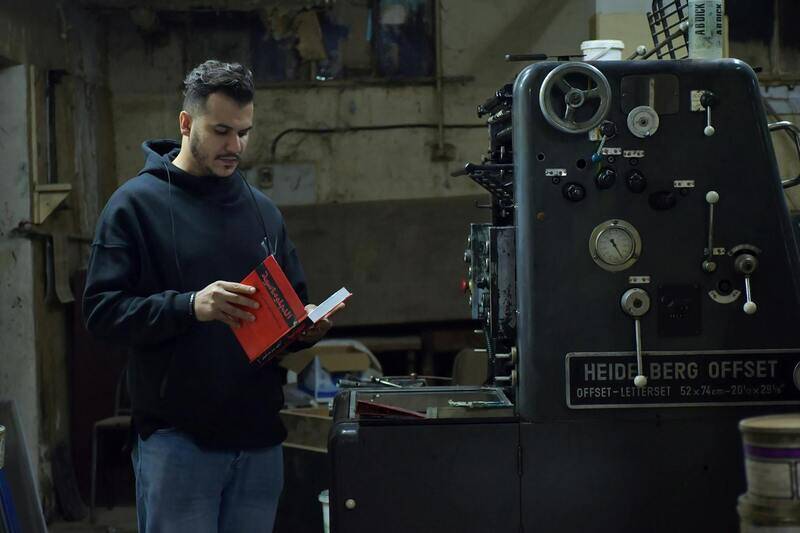
Creating impactful large photo prints requires meticulous attention to the design and editing process. The transition from digital image to physical display involves ensuring that the composition, color balance, and resolution are optimized for enlarged viewing. When preparing images for large-format printing, consider cropping strategies that enhance focal points and lead the viewer’s eye smoothly across the print. This involves cropping away distractions and emphasizing key elements to maintain visual harmony at scale.
Color accuracy is paramount. Adjusting saturation, contrast, and brightness during editing ensures that the final print reflects the intended aesthetic without distortion. Eye-catching images often benefit from subtle enhancements that preserve natural skin tones, vibrant landscapes, or detailed textures, culminating in a print that remains true to the original scene or subject.
Another critical aspect involves edge clarity and detail preservation. Sharpness adjustments in post-processing influence the final outcome, especially when fine details like hair strands, fabric textures, or intricate architectural elements are involved. The goal is to strike a balance between sharpening and maintaining a natural look, preventing over-processing that could introduce artifacts or halos.
When editing for large prints, always work with a high-resolution master file. This provides sufficient pixel data to enlarge the image without losing clarity or introducing pixelation. Using professional editing software with color management capabilities allows for precise control over the final appearance, ensuring consistency across various print materials and finishes.
Understanding Large Photo Prints
Large photo prints serve both decorative and expressive functions, transforming ordinary imagery into statement pieces. Their scale inherently demands attention to detail, clarity, and presentation. The size necessitates high-fidelity images, often captured with professional-grade equipment or obtained through meticulous digital scanning of original artwork or negatives. This ensures the image quality remains uncompromised during magnification.
The purpose for which the print is intended influences design choices significantly. For instance, a panoramic landscape designed as a mural might focus on expansive vistas and sweeping horizons, while a fine art portrait may highlight subtle tonal variations and delicate textures. Understanding this purpose helps in selecting appropriate resolution and composition aspects.
Printing Techniques and Technologies
Advancements in printing technologies have expanded the possibilities for large photo prints. Inkjet printers with wide-format capabilities, often equipped with multiple ink sets, provide superior color range and longevity. These printers accommodate various media types, from glossy papers to canvas, and enable precise color control across wide color gamuts.
Giclée printing remains a popular choice for producing gallery-quality large prints due to its exceptional color fidelity, intricate detail reproduction, and durability. Digital print systems employing UV-curable inks are also favored for outdoor applications, offering resistance to fading and environmental conditions.
Some production facilities utilize dye-sublimation or solvent-based inks for specific material compatibility, ensuring the print's vibrancy and weather resistance. When choosing a printing method, it is essential to consider both the environment where the print will reside and the type of substrate used, aligning technical capabilities with aesthetic goals.
Choosing the Right Materials and Paper Types
The material selection profoundly affects both the visual appeal and longevity of large photo prints. Glossy, semi-gloss, matte, satin, or textured surfaces each bring unique qualities to the final piece. Glossy papers offer vivid colors and sharp detail but are more susceptible to glare and fingerprints. Matte or textured papers provide a softer, more subdued look, minimizing reflections and fingerprints, making them suitable for high-traffic or gallery environments.
For outdoor or high-humidity installations, materials with weather-resistant properties such as vinyl banners or laminated prints are advisable. Canvas substrates lend an artistic impression, offering a subtle texture that enhances the depth and richness of photographic images. Metal and acrylic surfaces present modern alternatives, with sleek finishes that can add a contemporary touch while also providing durable solutions for various environmental conditions.
Ultimately, choosing the right material involves assessing factors like environmental exposure, desired visual effects, and maintenance needs. Consulting with printing professionals can help determine the best options tailored to specific project requirements and budget considerations.
Color Management and Calibration
Accurate color reproduction is crucial for achieving the intended visual impact of large photo prints. Standardized workflow processes involve calibration of monitors, printers, and proofing devices to ensure color consistency from digital file to final output. This process minimizes discrepancies caused by hardware differences or ambient lighting conditions.
Color profiles such as ICC profiles are employed to calibrate devices within a color-managed environment, enabling predictable results across devices and materials. Regular calibration sessions ensure ongoing accuracy, especially when multiple prints or batch productions are involved.
Viewing conditions also matter. Ensuring consistent, neutral lighting in display areas allows viewers to experience the print as intended. Proper lighting eliminates yellow or uneven tones that can distort color perception and diminishes the vibrancy of the printed image.
Design and Editing Considerations
Creating large photo prints requires meticulous attention to design and editing choices that enhance visual appeal and ensure the final output meets expectations. When preparing images for large-scale printing, it is essential to evaluate composition, contrast, and detail preservation. High-resolution images are paramount to prevent pixelation and ensure clarity at expanded sizes. Adjustments such as sharpening, brightness, and contrast should be optimized specifically for the print medium, considering how colors and details will translate once enlarged.

During the editing phase, it is advisable to work within a calibrated color-managed workflow. This guarantees that the hues, tones, and overall color balance remain consistent throughout the production process. Utilizing raw image files provides greater flexibility for non-destructive editing and allows for high-quality adjustments tailored for large-format prints.
Another vital aspect involves cropping and framing considerations. Since large prints often serve as focal points within interiors or exhibits, their framing should complement the image's composition while accentuating key elements. Margins, bleed areas, and safe zones must also be accounted for in the digital layout to prevent unwanted cropping or misalignment during trimming.
When designing for oversized prints, consider viewing distance. Larger prints in spacious environments allow for greater viewing distances, which can influence how detailed or simplified the visual elements should be. Subtle textures and fine details tend to be appreciated when viewed up close, but over-detailing may risk cluttering the overall aesthetic when viewed from afar.
Understanding Large Photo Prints
Large photo prints typically refer to prints that measure 24 inches or more on the longest side, though definitions can vary depending on context. They serve as impactful visual statements, ideal for galleries, murals, retail displays, or personal décor. Understanding the scale and purpose of a large print helps in aligning the production process with the desired aesthetic and functional goals.
Size significantly influences the printing method, material selection, and framing techniques. Aside from traditional paper prints, modern options include acrylic mounts, metal panels, and fabric banners, each offering distinct visual textures and durability benefits. The type of material chosen also affects installation and maintenance requirements, as well as visual effects such as gloss, matte, or satin finishes.
Printing Techniques and Technologies
Advancements in printing technology have broadened the possibilities for producing large photo prints with exceptional quality and fidelity. Wide-format inkjet printers, which use large ink cartridges and precise application mechanisms, are predominantly employed for their ability to handle high-resolution images and diverse materials. These printers utilize advanced ink formulations, such as piezoelectric or thermal inkjet technologies, enabling vibrant colors and sharp details.
Giclée printing remains a popular choice for fine art and photographic large prints due to its capacity for producing rich, nuanced color gradations. This technique leverages archival-grade inks and canvas or fine art paper substrates, ensuring longevity and resistance to fading.
Another method gaining traction is UV printing, which directly applies ink onto rigid surfaces like acrylics, metals, or wood panels. This approach offers durability and a modern aesthetic suitable for contemporary décor or signage applications.
Choosing the Right Materials and Paper Types
Material selection directly impacts both the appearance and durability of large photo prints. Standard options include glossy, semi-gloss, matte, or luster paper, each providing different visual textures and light reflection qualities. Glossy finishes tend to enhance vibrancy but may be prone to glare and fingerprints, whereas matte surfaces reduce reflections and offer a more subdued look, ideal for large display environments.
For outdoor or high-traffic applications, durable substrates like weather-resistant vinyl, canvas, or metal are recommended. Canvas prints, particularly when stretched over a frame, provide a textured, gallery-like appearance and can withstand varying environmental conditions when properly sealed.
Eco-friendly and sustainable options are also increasingly available, utilizing recycled materials or soy-based inks to minimize environmental impact without compromising print quality.
Color Management and Calibration
Consistent color reproduction across various devices and materials involves rigorous calibration and adherence to color management standards. Workflows should include calibration of monitors, printers, and proofing devices to align color profiles accurately. Employing ICC profiles specific to each media type ensures predictable color output and reduces discrepancies between the digital image and the final print.
Color management extends to viewing conditions, emphasizing the importance of controlled lighting in display areas. Neutral lighting minimizes color distortions or warm tones that can alter perception, ensuring the vibrancy and subtle nuances of the print are fully appreciated.
Regular calibration sessions, especially in production environments with batch printing, are essential for maintaining color consistency. This practice helps achieve precise color accuracy, critical for projects where detailed color matching is paramount.
Design and Editing Considerations
Creating large photo prints requires meticulous attention to design and editing to ensure that the final piece captures the intended visual impact. When preparing images for large-scale printing, it is essential to consider composition, framing, and the balance of visual elements. Insights into cropping and aspect ratio adjustments can significantly influence how the image will be perceived when enlarged. For instance, focusing on high-contrast elements or central subjects ensures that details remain sharp and engaging even at a substantial size.
Editing processes should incorporate careful sharpening to enhance clarity without introducing artifacts, especially since enlargements tend to reveal imperfections more readily. Utilizing non-destructive editing techniques allows for iterative adjustments and refinements, maintaining image integrity throughout the editing workflow.
Furthermore, understanding the environment where the print will be displayed influences design choices. If the print is intended for a brightly lit space, incorporating brighter, more vibrant colors can improve visibility and appeal. Conversely, for more subdued or intimate settings, softer hues and subtle details can be emphasized to create a cohesive aesthetic.
Bordering and framing options are also crucial, as they can either complement or detract from the overall presentation. Choosing appropriate margins or custom framing helps to focus attention and protect the image edges, extending the longevity of the print.
Design and Editing Considerations
When preparing images for large photo prints, meticulous design and editing practices are essential to achieve a visually striking result. High-resolution images form the foundation, but attention to detail during editing ensures that the final print displays sharpness, vibrant colors, and proper contrast across the expansive surface.
Utilizing non-destructive editing workflows allows you to make iterative adjustments without compromising image quality. Focus on sharpening techniques that enhance details, especially in areas with intricate textures or fine lines, avoiding over-sharpening that can introduce artifacts. Color correction and balance should be performed carefully to retain natural hues, as color shifts become more noticeable at larger sizes.
Another critical aspect is the environment where the print will be displayed. Bright spaces benefit from increased brightness and contrast, while softer, subdued settings may require gentle tonal adjustments to avoid visual harshness. Incorporating margins or borders can help frame the artwork, directing viewer focus and protecting the edges from damage. When possible, digital mockups or scaled previews enable visualization, allowing for adjustments prior to final printing. This step reduces unexpected surprises and ensures the artwork aligns with the intended aesthetic.
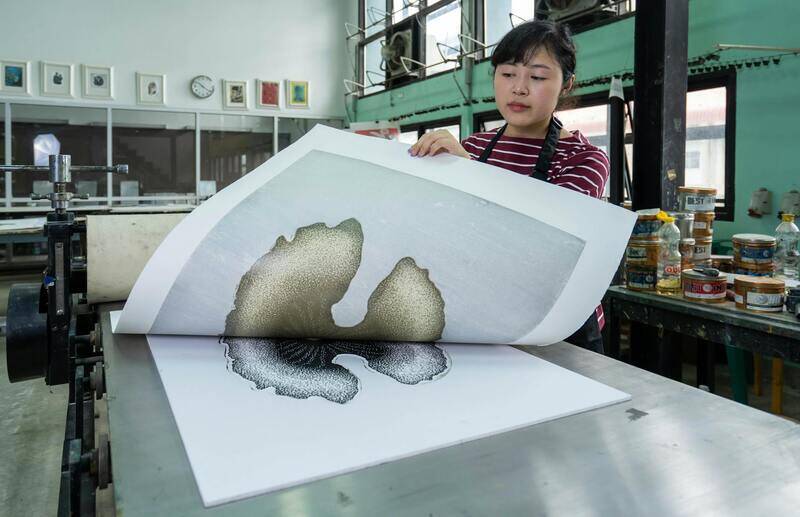
In addition, consider the composition and framing to maximize impact — central subjects or high-contrast elements often translate better at large sizes, maintaining visual interest without becoming overwhelmed by scale. The overall design should harmonize with the intended display space, complementing its lighting, décor, and environment.
Understanding Large Photo Prints
Large photo prints exhibit a different set of challenges and opportunities compared to smaller formats. They demand higher resolution, superior material quality, and meticulous attention to detail during both creation and printing. When well-executed, large prints serve as captivating focal points in any space, capable of evoking emotion and visual impact.
Recognizing that larger formats can reveal imperfections or inconsistencies, it is crucial to begin with high-quality source images. A well-composed, sharply focused photograph theoretically scales elegantly, provided that the resolution supports the enlargement without loss of clarity. The printing process must be matched precisely with the chosen materials and technologies to ensure that details are preserved and colors rendered accurately.
Printing Techniques and Technologies
Advances in printing technologies have expanded the possibilities for large photo prints. Inkjet printing remains the most prevalent, offering high fidelity and a wide color gamut, particularly when paired with archival inks for durability. UV and solvent-based printers can produce durable, weather-resistant large-format prints suitable for indoor and outdoor use, respectively.
Such technologies support a range of materials, from classic photo papers to canvas, vinyl, or fabric substrates. High-definition printing heads and increased droplet precision contribute to sharper image resolution and smoother color gradients. The choice of printer and technology directly influences the final appearance, accentuating the importance of selecting an experienced provider capable of utilizing the latest equipment.
Choosing the Right Materials and Paper Types
Material selection plays a pivotal role in the longevity and aesthetic quality of large photo prints. Glossy, semi-gloss, and matte finishes each impart distinct visual effects and tactile experiences. Glossy papers highlight vibrant colors and sharp details but may reflect glare, while matte options reduce reflections and provide a more subdued, elegant look.
For outdoor or high-traffic environments, vinyl and weather-resistant substrates are optimal, offering durability against the elements. Canvas materials can lend a textured, artistic appearance that enhances the visual depth, ideal for fine art displays. Selecting high-quality papers and substrates ensures color fidelity, sharpness, and resistance to deterioration over time.
Color Management and Calibration
Accurate color reproduction is critical for large photo prints to match original images and artistic intent. Employing professional color management workflows involves calibrating monitors and printers to standardized profiles, ensuring consistency across devices. ICC profiles tailored to specific paper types and printing technologies help in achieving precise color matching.
Color calibration should be an ongoing process, as ambient lighting conditions and hardware aging can influence output quality. When printing large images, the use of soft-proofing techniques allows designers and clients to visualize how colors will appear in the final print, reducing discrepancies and ensuring satisfaction with the final product.
Optimizing Image Resolution for Large Prints
Image resolution directly affects the clarity and detail in large photo prints. A common guideline suggests a minimum of 150 dpi (dots per inch) at the final print size for acceptable quality, though 300 dpi is preferred for highly detailed work. As a general rule, enlarging images with insufficient resolution results in pixelation and loss of clarity.
To determine the necessary resolution, divide the desired print dimensions by the target dpi. For example, a 60-inch wide print at 150 dpi would require an image resolution of at least 9000 pixels in width. When source images are limited, upscaling techniques with sophisticated algorithms can aid, but they may not fully compensate for a lack of data. Using high-resolution files from the outset is always the best strategy for achieving crisp, detailed large prints.
Installation and Maintenance of Large Photo Prints
Proper installation extends the lifespan and appearance of large photo prints. Secure mounting using high-quality hardware ensures stability, whether wall-mounted, suspended, or displayed as freestanding pieces. For prints on canvas or flexible materials, framing with UV-protective glass can safeguard against fading and physical damage.
Regular cleaning and maintenance are vital to preserve visual quality. Dust and pollutants should be gently removed with soft, lint-free cloths. Avoid harsh chemicals or abrasive tools that could damage the surface. For outdoor or exposed displays, applying UV-protective coatings or laminates adds a layer of defense against environmental factors.
Selecting a Printing Service Provider
Choosing an experienced, reputable printing provider simplifies the process and results in high-quality artwork. Look for providers with advanced equipment capable of handling large-format prints, extensive material selections, and professional color management services. Consulting their portfolio can reveal the quality of previous work and ensure their expertise aligns with your expectations.
Clear communication about your project’s specifications, including resolution, materials, and environmental considerations, guarantees that the final product meets standards. Customer reviews, service transparency, and support throughout the design and printing process are also key indicators of a dependable provider.
Design and Editing Considerations for Large Photo Prints
Creating impactful large photo prints begins with meticulous design and editing. When preparing an image for oversized output, attention to detail in composition, tonal balance, and cropping is essential. Consider how the image’s focal points will translate at larger scales and adjust framing accordingly to maintain visual harmony. It’s often helpful to enhance contrast and sharpness during editing, as these elements tend to diminish when enlarged, compromising detail clarity.
Opt for image editing software that offers advanced color correction and resolution management. Using tools to fine-tune exposure, contrast, and saturation ensures the print will retain the vibrancy and depth of the original scene. Additionally, applying appropriate sharpening techniques during post-processing can offset potential blurriness resulting from enlargement.
To achieve a seamless appearance, avoid overly complex or cluttered compositions that may become overwhelming when scaled up. Instead, emphasize clean lines, balanced negative space, and distinct focal points to guide the viewer’s eye. When exporting files, choose high-resolution formats such as TIFF or PSD to preserve optimal image quality. Regularly preview the image at different zoom levels within your editing software to spot any artifacts or inconsistencies that could affect final print quality.
Finally, communication with your printer service is crucial. Sharing your final files with explicit specifications regarding resolution, color profiles, and preferred formats helps ensure accurate reproduction. Employing calibrated monitors and professional-grade color management workflows during editing minimizes discrepancies between digital and printed results.