Understanding Big Photography Prints
Big photography prints are large-scale images designed to serve as striking focal points within both residential and commercial environments. These prints typically extend beyond traditional photo sizes, often ranging from 24x36 inches to murals exceeding 100 inches in width. Their commanding presence draws viewers in, making details more vivid and creating an immersive visual experience. This sizable format emphasizes the depth, color intensity, and fine details of a photograph, making it a popular choice for art galleries, corporate offices, hotels, and modern living spaces.
The rising trend of large photography prints can be attributed to the transformative impact they have on interior aesthetics. They break the monotony of plain walls, introduce dynamic visual narratives, and reflect a person’s or a brand’s personality with grandeur. With advances in printing technology, producing vibrant, high-resolution images at large sizes has become more accessible and cost-effective, broadening the appeal of big photography prints among a diverse range of clients.
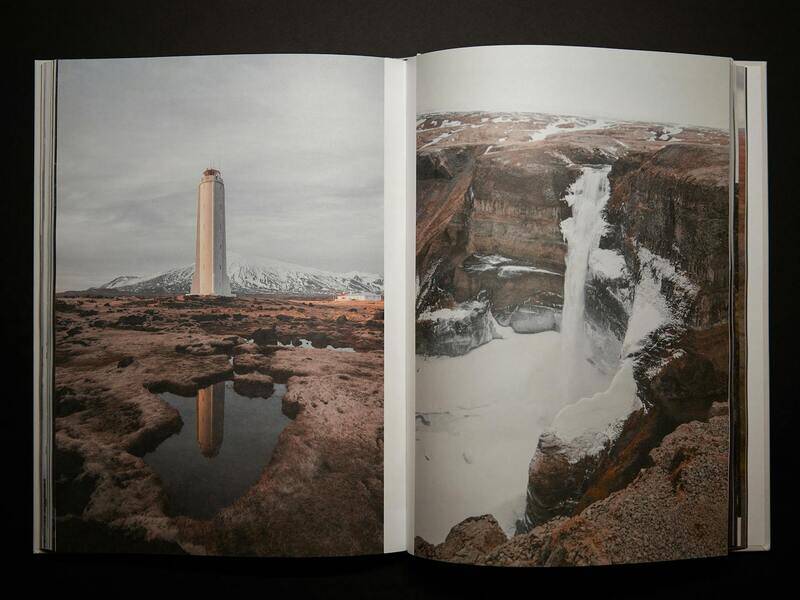
Furthermore, big photography prints are not only appreciated for their aesthetic appeal but also for their durability and versatility. They can be customized in various materials—such as canvas, metal, acrylic, or traditional photo paper—each offering a unique texture and finish that complements different decor styles. As a result, big photography prints have secured their place as versatile, impactful elements in both personal collections and commercial displays.
Understanding what constitutes a big photography print is fundamental to selecting the right image, material, and printing method, ensuring the final piece maximizes visual impact while maintaining longevity. This comprehensive knowledge base supports clients in making informed decisions tailored to their specific space requirements and artistic preferences, ultimately enhancing their environment with compelling large-format visuals.
Specifications and Material Options for Big Photography Prints
When producing large-format photography prints, selecting the appropriate specifications and materials is crucial to achieving optimal visual quality and durability. Image resolution, print size, and the choice of material work together to ensure that the final print delivers vibrant detail and robustness suitable for its display environment.
Image Resolution and File Preparation
To create impressive big photography prints, preparing high-resolution images is essential. As a general rule, a minimum resolution of 150 pixels per inch (ppi) at the final print size is recommended to maintain clarity and sharpness. For instance, a 40x60 inch print should ideally be prepared with a resolution of at least 6000x9000 pixels. Utilizing images with sufficient resolution prevents pixelation and preserves intricate details when enlarged.

Material Choices for Large-Scale Photography Prints
- Photographic Paper: Traditional glossy or matte papers provide sharp detail and vibrant colors, suitable for gallery displays or interior decoration where a classic aesthetic is desired.
- Canvas: Offers a textured surface that lends an artistic feel, perfect for a more relaxed or contemporary ambiance. Canvas can be stretched over frames, creating a ready-to-hang statement piece.
- Metal Prints: Known for their durability and modern appearance, metal surfaces produce vivid, high-contrast images with scratch-resistant properties, making them ideal for high-traffic or outdoor spaces.
- Acrylic: Provides a sleek, glossy finish with excellent light reflection, enhancing color depth and vibrancy. Acrylic prints are suitable for upscale environments requiring a sophisticated aesthetic.
Specialized Materials for Unique Effects
Beyond standard options, certain materials can add unique visual effects:
- Aluminum Composite Panels: Used for bold, impactful displays with a modern edge.
- Textured Fine Art Paper: Creates a tactile experience, emphasizing artistic textures.
- Prints with UV Coatings: Enhance resistance against UV rays, scratches, and environmental damage, extending the lifespan of outdoor or high-use installations.
Considering Finish and Coatings
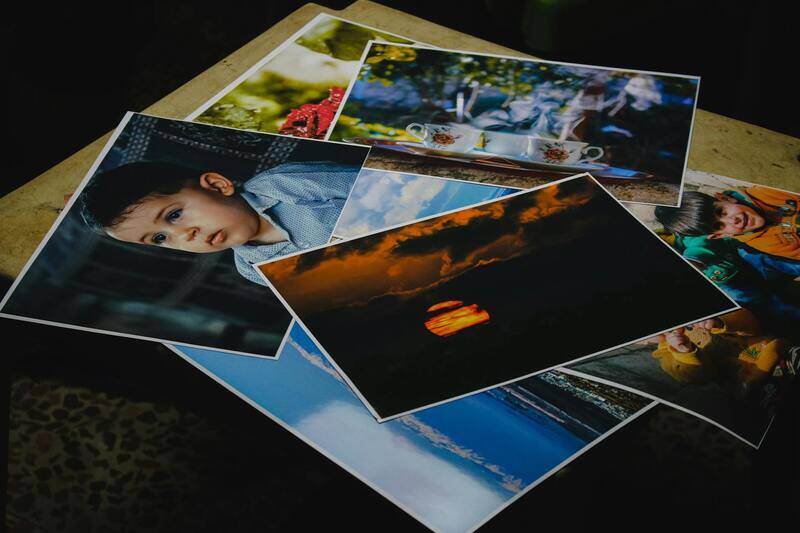
Choosing the right finish is vital for the desired visual impact and protection. Glossy finishes enhance color vibrancy and contrast but may be prone to glare. Matte finishes reduce reflectiveness, providing a soft, subtle appearance that minimizes fingerprints and reflections. Additionally, ultraviolet (UV) protective coatings can be applied to prevent fading caused by sunlight exposure, safeguarding the artistic integrity over time.
Optimizing for Environmental Conditions
The environment where the print will be displayed influences material selection. For outdoor or high-humidity settings, materials like metal or acrylic with UV-resistant coatings are advisable. For interior spaces with controlled lighting, standard paper or canvas may suffice, offering a balance of aesthetics and cost-efficiency. Ensuring the material aligns with the display environment extends the longevity and maintains the visual appeal of the large photography print.
Understanding Big Photography Prints
Large-format photography prints have become a popular choice for both professional photographers and art collectors seeking to make a bold visual statement. The process involves transferring high-resolution images onto sizable substrates, enabling viewers to experience the artwork in impressive detail and scale. When selecting a method for producing big photography prints, it is essential to consider the purpose of the display, the environment where the piece will be showcased, and the intended viewing distance. This multifaceted approach ensures the final output not only captures the essence of the original image but also maintains its integrity over time, regardless of exposure to environmental factors.
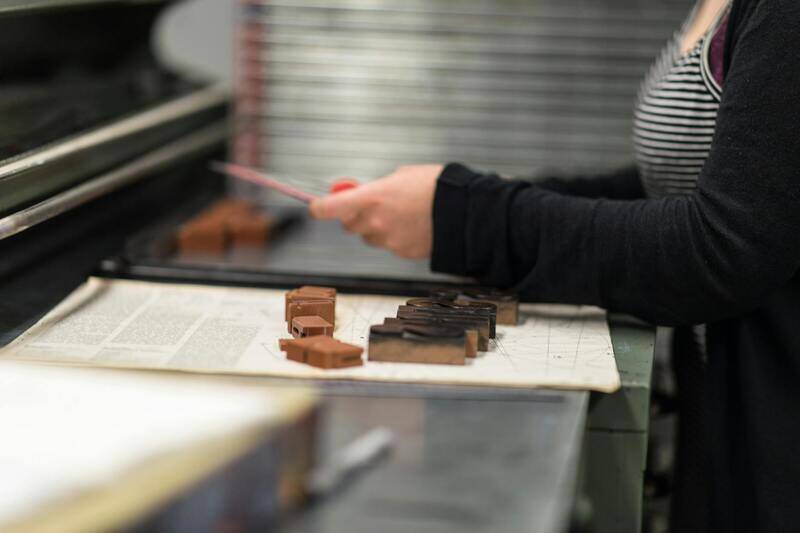
High-quality prints that require large dimensions demand attention to detail during every stage of the process—from image preparation and material choice to printing technology. Achieving a balance between size, resolution, and print quality ensures that the artwork remains crisp, vibrant, and durable. Leveraging advanced printing methods such as inkjet or dye-sublimation enables precise reproduction of complex colors and subtle gradients characteristic of professional photographic work. The selection of the right printing approach is crucial for producing big photography prints that do justice to the artist's intent and viewers’ expectations.
Choosing the Right Photography for Large-Format Printing
Not every photograph translates effectively into a large-scale print. When preparing images for big photography prints, it's vital to start with high-resolution files that contain sufficient pixel density to prevent pixelation or blurriness at expanded sizes. Images captured with professional-grade equipment or meticulously edited to retain detail and clarity are ideal candidates. Additionally, consider the composition and subject matter; images with strong focal points and balanced visual elements tend to engage viewers more effectively when enlarged.
Some images may need specific adjustments to optimize them for large-format display. Techniques like sharpening, retouching, and color correction are often applied to enhance visual impact. Furthermore, understanding how different lighting conditions and viewing distances influence the perception of the image can help in selecting the most appropriate shot for large-format printing. For instance, detailed images with fine textures benefit from close-up viewing, while simpler compositions may excel in spacious environments where they can be appreciated from afar.
Materials and Finishes for Big Photography Prints
The choice of material significantly affects both the appearance and longevity of big photography prints. Common options include:
- Canvas: Offers a textured, artistic feel and excellent durability, suitable for gallery displays and artistic projects.
- Acrylic: Provides a sleek, modern look with vibrant color reproduction and a high-gloss finish, ideal for impactful décor.
- Metal (Aluminum): Durable with a contemporary aesthetic and excellent resistance to environmental factors, perfect for outdoor installations.
- Fine Art Papers: Such as textured or smooth archival papers, which lend a classic or fine art appearance with superior longevity.
Complementing the choice of material, finishes and coatings can also influence how the print is perceived. Glossy finishes enhance vibrant colors, making details pop, but may produce glare. Matte finishes diffuse light and reduce reflections, perfect for gallery environments or areas with bright lighting. Ultraviolet (UV) coatings add an extra layer of protection against fading caused by sunlight exposure, extending the life span of outdoor and high-traffic displays.

Environmental conditions must also inform material and finish choices. For outdoor settings, weather-resistant materials with UV protective coatings are essential to prevent deterioration over time. For indoor environments with stable lighting, more delicate materials like fine art papers or canvas can be used, balancing aesthetics with cost. Proper environmental matching ensures the print remains visually striking and structurally intact for many years to come.
Proven Methods for Creating Large Photography Prints
When aiming to produce impressive big photography prints, relying on reputable and established printing methods is essential. These techniques ensure that the prints meet high standards of detail, color fidelity, and longevity, all while maintaining consistency across batches.
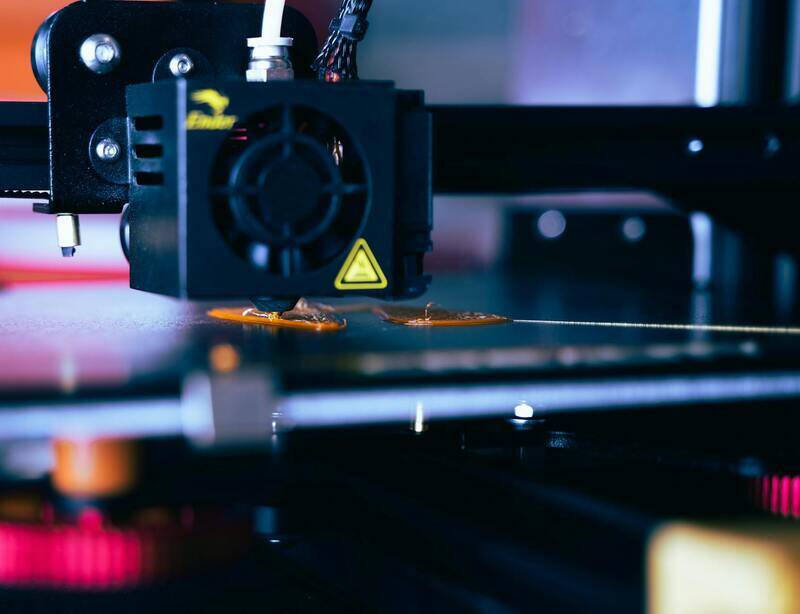
The most prevalent and reliable method for large-format photographic printing is professional inkjet printing. This process uses high-resolution printers equipped with advanced inkjet heads and a wide array of color inks, often exceeding 12 colors. Such printers facilitate precise color gradation and smooth tonal transitions, capturing intricate details and subtle hues in the images. Inkjet printing is particularly suitable for recreating the fine nuances inherent in high-quality photographs, making it a preferred choice for galleries and artists alike.
Another key method involves UV printing technology. This process employs ultraviolet light to instantly cure the ink on various materials including metal, acrylic, and wood. UV printing is renowned for its rapid production times, high durability, and adherence to surfaces with complex textures. Particularly valuable for outdoor installations, UV printing offers resistance against scratches, fading, and environmental wear, ensuring the longevity of big photography prints in diverse conditions.
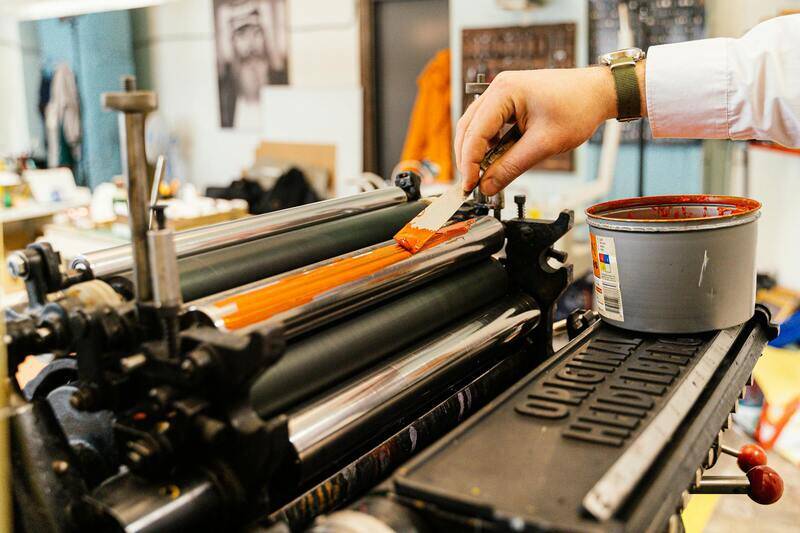
Both inkjet and UV printing stand out for their ability to produce consistent, vibrant images at scale. The choice between them often depends on material preferences and environmental considerations, but both offer proven results when executed with quality equipment and high-grade inks.
In addition to these primary techniques, other methods like dye sublimation and solvent-based printing have applications in specific contexts, with dye sublimation excelling on polyester fabrics and solvent-based options being suitable for outdoor signage. These techniques are generally less common for traditional photographic reproduction but can be effective for certain large-scale display needs.
Ensuring the use of certified inks and precisely calibrated equipment is vital. These factors influence kiss-through accuracy, color consistency, and the lifespan of the finished print. Employing high-quality materials compatible with the chosen printing technology also plays a critical role in achieving optimal results.
Ultimately, collaboration with experienced professionals who utilize reputable technology and adhere to best practices can significantly impact the outcome of large photographic prints. By prioritizing proven methods and licensed equipment, one can produce captivating, durable pieces that faithfully represent the original image's intent and detail.
Understanding Big Photography Prints
Big photography prints serve as statement pieces that can transform interior spaces, commercial environments, and gallery displays. Their impressive scale demands a careful approach to production, ensuring every detail of the original image is preserved and rendered with clarity and vibrancy. When venturing into large-format printing, it's essential to comprehend the nuances that distinguish high-quality reproductions from subpar results. The process involves not only technology and materials but also a keen eye for detail, color management, and print longevity.
These expansive prints often require professional-grade equipment and high-resolution files to prevent pixelation and loss of detail. Ensuring the image's resolution aligns with the intended final size is critical; normally, a minimum of 300 dpi at the desired dimensions is recommended for sharpness and crispness. The goal is to create an assembly of images that maintain their integrity—rich in color, contrast, and fine detail—when scaled up to display size.
The appeal of big photography prints lies in their ability to evoke emotion and create immersive environments. Their use spans across various contexts, from home galleries and corporate lobbies to museum exhibits and promotional events. For such impactful results, specialized printing methods are employed, often utilizing state-of-the-art technology. These include large-format inkjet printers capable of handling wide media rolls and providing high color accuracy, and UV flatbed printers that produce durable, scratch-resistant surfaces suitable for interior or exterior display.
The underlying importance of selecting a reputable printing service cannot be overstated. Experts familiar with large-format output can advise on optimal material choices, color calibration, and finishing options. Such attention to detail guarantees that the printed work stands out with remarkable clarity and durability, standing up to environmental factors and time.
Understanding Big Photography Prints
Big photography prints serve as remarkable visual statements that captivate viewers through their impressive scale and intricate details. These large-format reproductions transform images into immersive experiences, allowing the viewer to engage deeply with the subject matter. The process involves carefully selecting high-resolution images, ensuring they possess the necessary detail and clarity for scaling up without losing fidelity. When printed at significant sizes, these images can evoke strong emotional responses and enhance the aesthetic appeal of any space, whether it’s a gallery, corporate environment, or personal collection.
Key Attributes of Big Photography Prints
- Impressive Visual Impact: Their size creates a commanding presence that naturally draws attention, making them ideal for statement walls and displays.
- Enhanced Detail: High-resolution images retain their subtle nuances and fine details even when enlarged, offering viewers a richer visual experience.
- Customization: Big prints can be customized in terms of material, framing, and mounting options to match specific aesthetic and environmental requirements.
- Durability and Longevity: When produced with quality materials and proper finishing, these prints can last decades without significant degradation.
Applications of Large-Scale Photography
Large-format prints find their place in diverse settings, including:
- Public art installations that turn urban or public spaces into engaging environments
- Corporate lobbies and conference centers aiming to reinforce branding and create memorable impressions
- Gallery exhibitions showcasing photographic talent at an impactful scale
- Home interiors where personalized wall art complements décor
- Event backdrops and promotional displays that demand attention from a distance
Importance of Material and Finish
The right choice of substrate and finish is essential to maximize the visual quality and durability of big photography prints. Materials such as canvas, aluminum, acrylic, and premium fine art paper each lend distinct textures and qualities to the final piece. For instance, metal options like aluminum provide a sleek, contemporary look with excellent durability and scratch resistance. Acrylic offers vibrant color reproduction with a glass-like finish, enhancing contrast and sharpness. Canvas brings a textured, artistic feel suitable for classic or contemporary styles.
Techniques to Achieve High-Quality Results
Running large-format prints through advanced inkjet printers equipped with high-quality inks ensures high color accuracy, wide color gamut, and fade resistance. Proper calibration of printers and color management workflows is crucial to reproduce colors faithfully from digital files. Additionally, finishing techniques such as lamination, UV coating, and framing not only protect the print but also accentuate its visual appeal, ensuring it remains pristine for years to come.
Tips for Achieving Precise Color Matching and Consistent Quality
Maintaining color consistency across large photographic prints is critical for professional results. To achieve this, it is essential to utilize specialized color management workflows that involve calibrated monitors, consistent color profiles, and color calibration for printing devices. Using ICC color profiles tailored to specific materials and printers ensures that digital files translate accurately into physical prints, preserving the original hues and details.
Matching colors between digital images and printed results often requires iterative proofing and adjustments. Implementing soft proofing techniques allows previewing how colors will appear on the chosen substrate, enabling technicians to make necessary corrections before the final print. This minimizes discrepancies and enhances the visual fidelity of large-format photographs.
Consistent print quality hinges on selecting high-grade inks designed for longevity and color vibrancy. Pigment-based inks typically offer superior fade resistance and archival qualities, vital for large prints displayed in environments exposed to light and environmental factors.
Ensuring Proper Handling and Installation of Big Photography Prints
Handling large-format photographic prints with care preserves their quality and prolongs lifespan. When transporting, use protective wrappings such as bubble wrap or custom crates to prevent physical damage. During installation, employing appropriate tools and techniques ensures the print remains flat and undamaged. Fixatives, mounting systems, and framing should complement the print’s material and intended display environment.
Professional installation services can provide precise mounting and hanging, which is especially important for large, heavy prints. Proper weight distribution and secure fixtures prevent sagging, warping, or detachment over time.
Long-Term Care and Preservation Methods
Proper maintenance strategies encompass regular cleaning with gentle, non-abrasive materials and avoiding direct exposure to prolonged sunlight or high humidity, which can affect color vibrancy and material integrity. For wall-mounted prints, use dusting tools and avoid harsh chemicals that could degrade the surface.
For prints on delicate substrates, consider UV-protective glass or acrylic covers to shield from ultraviolet rays and physical damage. Periodic inspections help identify signs of deterioration early, allowing timely interventions that preserve the image quality.

Understanding Big Photography Prints
Big photography prints serve as impactful visual statements, transforming vast spaces into immersive experiences. They are often utilized in commercial galleries, corporate lobbies, event backdrops, and personal art collections. Producing these large-format prints requires meticulous planning and execution to ensure that the intricate details, vibrant colors, and sharpness are preserved at a grand scale. The process involves precise image selection, high-resolution files, and expert handling throughout the printing and installation stages. Recognizing the technical specifications and material options available helps in achieving a display that not only looks stunning but also stands the test of time.
Choosing the Right Photography for Large-Format Printing
Selecting suitable imagery is crucial when preparing for big photography prints. High-resolution images, ideally captured with professional-grade equipment, are necessary to maintain clarity and detail when enlarging. Consider compositions that benefit from scale, such as sweeping landscapes, architectural photographs, or detailed cityscapes. Color accuracy, contrast, and focus should be optimized in the editing process. Additionally, the emotional impact of the photograph should harmonize with the intended environment and viewer interaction. Carefully curated images ensure that the final printed piece resonates powerfully within its display space.
Specifications and Material Options for Big Photography Prints
One of the fundamental aspects of large-format printing involves understanding the specifications and available materials. Resolution plays a pivotal role; typically, a DPI (dots per inch) of 150 to 300 ensures sharpness without pixelation. The dimensions chosen must align with the displayed environment, considering viewing distance to optimize visual impact.
Common material options include:
- Glossy Inkjet Paper: Enhances color vibrancy and detail, suitable for indoor displays.
- Matte Canvas: Offers a textured, artistic appearance, ideal for framing and framing options that minimize glare.
- Aluminum or Dibond: Provides durability and a modern aesthetic, often used for contemporary installations.
- Vinyl or Banner Material: Versatile for both indoor and outdoor applications, with weather-resistant features.
Each material has specific handling and mounting requirements, influencing the overall presentation and longevity of the print. Selecting the appropriate substrate involves balancing aesthetic desires with environmental conditions and installation constraints.
Printing Techniques and Technologies
Advancements in printing technology enable high-fidelity output for large-format images. Inkjet printers, especially those utilizing UV-resistant and archival inks, are widely favored for their ability to produce vibrant, detailed images that resist fading over time.
The use of wide-format printers capable of handling up to several meters in width ensures seamless, high-quality reproductions. Some services employ dye sublimation or solvent-based printing depending on the material and application. These techniques enhance color saturation, durability, and surface finish, resulting in a premium product.
Design and Layout Considerations for Large Prints
Designing for big photography prints entails strategic planning to maximize visual impact. Consider the aspect ratio of the original image and how it translates to the chosen dimensions. Margin allowances or framing elements should be integrated into the layout to prevent critical details from being cut off or obscured.
Balancing the composition with negative space and framing elements can accentuate the subject matter. When designing for large-scale prints, high-resolution files are crucial to prevent pixelation. Collaborating with experienced designers or print specialists helps optimize layout, ensuring the final product is visually balanced and compelling.
Maintaining and Caring for Big Photography Prints
Proper maintenance extends the lifespan and preserves the quality of large-format photographic prints. Regular dusting with soft, non-abrasive cloths prevents residue buildup. Avoid harsh chemicals or abrasive cleaners that could damage the surface, especially on delicate materials like canvas or acrylic.
Placement considerations also influence longevity. Keep prints away from direct sunlight, high humidity, and temperature fluctuations. For wall-mounted pieces, UV-protective glazing can mitigate fading caused by light exposure. Periodic inspections help identify early signs of deterioration, enabling timely interventions such as cleaning, re-mounting, or protective covering updates.
Common Challenges and Solutions in Printing Big Photography Prints
Artists and collectors often face challenges such as color inconsistency, image distortion, or material warping. These issues can typically be addressed through proper file preparation, calibrated calibration of printing equipment, and careful handling during transport and installation.
Color management is essential, involving consistent profiling of monitors and printers to achieve true-to-origin results. Using high-quality files and professional printing services minimizes the risk of pixelation or blurriness. When handling large prints, employing padded transport containers or custom crating preserves integrity during transit. During installation, secure mounting systems and proper weight distribution prevent structural issues or damage over time.