Understanding Large-Format Photo Printing
Large-format photo printing is an advanced printing process that transforms high-resolution images into expansive, visually impactful prints. This method involves reproducing photographs on materials that are significantly larger than standard photo sizes, often spanning several feet in width and height. Such prints are used in various applications ranging from professional advertising displays and gallery exhibitions to interior decor and personal art collections.
Common dimensions for large prints typically start at 24x36 inches and can extend to panoramic formats measuring 60 inches or more. These sizes cater to different industries, each with specific needs. For instance, commercial advertising campaigns often rely on large banners and billboards, while interior designers utilize oversized artistic photographs to create focal points within residential and commercial spaces.
The appeal of big prints of photos lies in their ability to captivate viewers and convey messages with greater clarity and emotional impact. They serve as visual anchors in public spaces, exhibitions, and interior settings, providing an immersive experience that smaller prints cannot achieve. Industries such as retail, hospitality, event planning, and fine arts frequently utilize large-format photography to create memorable impressions and elevate aesthetic value.
Choosing the right large-format print involves considering various factors including the print’s intended use, viewing distance, and optimal resolution. Awareness of these elements ensures that the final product maintains clarity, color fidelity, and durability. When selecting images for large prints, high-resolution photographs with ample detail are preferred, as they prevent pixelation and blurriness upon enlargement. Furthermore, images with strong compositions and contrast translate more effectively when scaled up, maximizing their visual impact.
Materials and Substrates for Big Prints
Choosing the appropriate materials and substrates is essential for ensuring the durability and visual quality of large-format photographic prints. The selection depends on the intended display environment, desired finish, and budget considerations. Commonly used substrates include high-quality paper, vinyl, canvas, and synthetic materials, each offering distinctive aesthetic and functional benefits.
For indoor displays, premium photo papers such as gloss, satin, and luster finishes provide vibrant color reproduction and sharp detail. These surfaces are ideal for gallery exhibitions, personal collections, or corporate interiors where presentation quality is paramount. Canvas, on the other hand, lends a textured, fine-art appearance that adds depth and sophistication, making it a popular choice for home and gallery settings.
Vinyl and synthetic substrates are preferred for outdoor applications due to their durability and resistance to weather elements. These materials are often laminated or coated with UV-resistant layers, which help protect against fading, moisture, and abrasions. They are suitable for large banners, billboards, and signage that require longevity in harsh conditions.
Flat and rigid substrates such as aluminum, acrylic, or foam board are also utilized for large professional displays. These materials offer a sleek, modern look with excellent stability and edge definition, enhancing the overall presentation quality. Printing on these surfaces often involves specialized techniques like direct print or mounting, which improve the integration of the image with the substrate.
Color Management and Image Preparation
Proper color management is fundamental to achieving accurate color representation in large-format prints. This process begins with capturing or selecting images that have been color-corrected and calibrated for consistency. Editing software allows for fine-tuning brightness, contrast, and color balance, ensuring the image maintains fidelity when scaled up.
High-resolution images with a minimum of 300 DPI at the final print size are recommended to prevent pixelation. Artifacts or compression issues should be addressed during the prepress phase, with attention paid to color profiles and file formats. Using uncompressed formats such as TIFF or PSD ensures maximum color data retention.
Color profiles like Adobe RGB or ProPhoto RGB are commonly used to maintain color accuracy across different devices and printed media. Additionally, soft proofing techniques allow designers to simulate the final output on-screen, adjusting parameters to match the printer’s capabilities.
Printing Techniques for Large Photos
Several advanced printing techniques are employed to produce high-quality large-format photographs, including inkjet printing, UV printing, and dye sublimation. Inkjet printers, particularly those using pigment-based inks, are renowned for their ability to produce vibrant, long-lasting images with excellent color gradation.
UV printing is favored for printing directly onto rigid substrates like metal or acrylic, offering high durability and vivid colors that resist scratching and environmental wear. Dye sublimation is a preferred method for printing on textiles and certain coated surfaces, creating vibrant, photo-realistic images with a soft finish.
Choosing the appropriate printing technique depends on factors such as material compatibility, desired permanence, and cost. Skilled technicians optimize printer settings to match the specific needs of each project, ensuring consistent and professional results.
Materials and Substrates for Big Prints
Choosing the correct material for large-format photo printing is fundamental to achieving optimal visual impact and longevity. Various substrates are available, each suited to specific environments and aesthetic preferences. Canvas is a popular choice for a textured, artistic look; it offers a degree of flexibility and can be stretched or framed easily, making it ideal for gallery displays or contemporary interiors. Vinyl, on the other hand, is highly durable and weather-resistant, making it suitable for both indoor and outdoor installations, such as murals or promotional displays. Its adhesion qualities ensure that the print remains securely affixed to diverse surfaces, including walls, windows, and vehicle wraps.
Photographic papers remain a classic option for large, high-detail images, particularly when fine color accuracy and image clarity are priorities. These papers come in glossy, matte, and luster finishes, allowing customization based on lighting conditions and desired mood. Heavyweight photographic papers are recommended for large prints to prevent warping and provide better durability. Additionally, rigid substrates like acrylic and metal panels are increasingly popular for modern displays, offering sharp image clarity and a sleek, contemporary aesthetic. These materials enhance color vibrancy and provide excellent scratch resistance, especially when printed with UV or UV-cured inks.
Durability considerations influence material selection as well. For outdoor or frequently handled displays, weatherproof and scratch-resistant surfaces such as aluminum composite panels or laminated vinyl are preferred. Conversely, for interior installations where impact resistance is less critical, standard photographic papers or artistic canvases are sufficient. When selecting materials, it’s essential to consider environmental exposure, expected handling, and the overall visual style to ensure the longevity and effectiveness of the print.
Proper preparation of the chosen substrate, including surface cleaning and understanding the material’s characteristics, is vital for achieving high-quality results. Using compatible adhesives or mounting techniques will prevent issues like peeling or warping over time. For example, when printing on acrylic or metal, a smooth, dust-free surface ensures maximum adhesion and edge clarity. Furthermore, considering the environmental conditions—such as humidity, temperature fluctuations, or exposure to sunlight—will determine the most appropriate resistance properties needed to preserve the quality of the large print.
Ultimately, selecting the right material and substrate is a balancing act between aesthetics, durability, and cost. Consulting with printing professionals can aid in identifying the best options based on the specific project parameters, ensuring that the final display is both visually striking and long-lasting.
Color Management and Image Preparation
Achieving the highest quality in big prints of photos begins well before the printing process. Proper image preparation, particularly in color management, ensures that the final output accurately reflects the intended visual tone and detail. Digital files should be meticulously reviewed and corrected for color consistency using professional calibration tools and software. This step involves adjusting contrast, brightness, and color balance to match the desired aesthetic, especially since colors can appear differently on various screens and printing surfaces.
Optimizing resolution is equally critical. Large-format prints require images with high resolution, generally at least 150-300 pixels per inch (ppi) at the final print size, to ensure sharpness and intricate detail. Files with lower resolution may result in pixelation or a loss of clarity upon enlarging. It is advisable to use raw or high-quality source files whenever possible, avoiding compressed formats like JPEGs that can introduce artifacts.
File formats should be compatible with the printing process and capable of retaining maximum image fidelity. TIFF and high-resolution PDF files are preferred for their lossless quality, while adhering to the specific requirements of the chosen printing provider. Proper color profiles embedded within the files facilitate consistent color reproduction, reducing surprises and reprints.
Properly prepared files, combined with industry-standard color management workflows, pave the way for vibrant, true-to-life large photographs that command attention and preserve fine details. Involving printing professionals in the review process can further safeguard against issues like color shifts or resolution deficiencies, ensuring the printed result matches your artistic vision.
Understanding Large-Format Photo Printing
Large-format photo printing involves translating high-resolution digital images into substantial physical displays while preserving detail, color accuracy, and sharpness. This process demands careful consideration of the print size, material selection, and printing technology to achieve the intended visual impact. Unlike standard photo printing, big prints require specialized equipment capable of handling wide formats without compromising image quality. The primary goal is to produce a display that commands attention and maintains the integrity of the original digital image, whether for gallery exhibition, interior decor, or commercial displays.
Advancements in Printing Technology
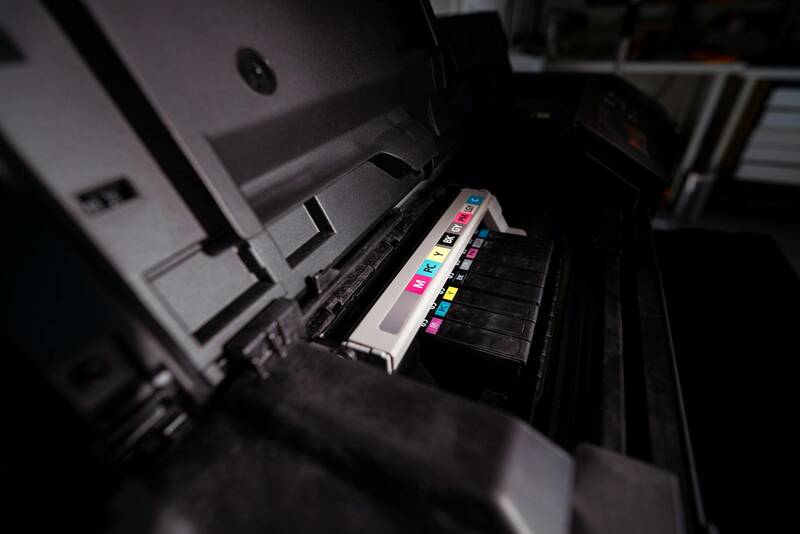
Modern large-format printers utilize advanced inkjet and dye-sublimation techniques that can produce vibrant, durable images on a variety of substrates. High-quality inkjet printers use pigment-based inks that offer excellent longevity and color retention, capable of reproducing subtle gradations and intricate details across expansive surfaces. These machines typically feature multiple print heads for precise color mixing and are compatible with numerous media types, including canvas, vinyl, paper, and fabric. The evolution of these technologies has significantly expanded the possibilities for creating big prints of photos with stunning clarity and color fidelity.
Essential Considerations for Large-Format Printing
- Resolution and Image Quality: For large prints, maintaining a high resolution—generally 150-300 ppi at the final size—is crucial. Starting with high-quality source files or RAW images ensures minimum loss of detail when scaling up. Compressing or lowering resolution can lead to pixelation, undermining the visual impact.
- Color Calibration: Accurate color reproduction hinges on calibrated monitors and consistent color profiles across devices. Embedding ICC profiles in digital files helps ensure that the printed result matches on-screen expectations closely.
- Viewing Distance: Depending on where the print will be displayed, the ideal resolution might vary. Large prints viewed from a distance can often tolerate slightly lower resolution, which allows for faster processing and material savings, without sacrificing visual quality.
Preparing Files for Large-Format Printing
Proper digital file preparation is essential. Files should be in lossless formats like TIFF or high-resolution PDFs, with embedded color profiles. Ensuring sharp focus, proper exposure, and color balance reduces surprises during printing. It’s also advisable to work closely with your printing provider to confirm file specifications, including dimensions, resolution, and color management workflow. Professional review and proofing processes can help prevent costly reprints and ensure the final product aligns with your artistic vision.

Optimal Techniques to Achieve High-Quality Large Photo Prints
Producing superior big prints of photos requires meticulous attention to the printing process. This involves selecting appropriate printing techniques that enhance the image's details, color fidelity, and longevity. When opting for large-format photo printing, two primary methods are prevalently used: inkjet printing and dye sublimation printing. Each method offers specific benefits suited to different types of images and display environments.
High-Resolution Inkjet Printing
Inkjet printing remains the preferred method for large photo prints due to its ability to deliver extraordinary detail and color accuracy. By employing specialized aqueous or solvent-based inks, this technique creates vibrant and durable images suitable for both indoor and outdoor display. Advanced printers use multiple ink channels, enabling a broad color gamut that captures subtle tonal variations within photographs. It's essential to work with printers that support high DPI (dots per inch) settings—typically around 300 DPI for large prints—to preserve fine details without pixelation.
Dye Sublimation Printing
Dye sublimation is an alternative technique ideal for producing vibrant, glossy finishes with exceptional color depth. This process involves transferring dye-based inks onto substrates such as metal, fabric, or specially coated surfaces. While it excels in producing eye-catching displays suitable for framing or wall decor, it may require specific substrate compatibility, making it more suitable for certain applications compared to traditional inkjet methods.
Giclée Printing for Artistic Photographs
Giclée printing is a refined form of inkjet printing that leverages archival-quality inks and substrates to produce museum-quality large photos. This method is favored for fine art photography because of its incredible color precision, wide tonal range, and longevity. Giclée prints often involve multiple passes to achieve smooth gradients and depth, making them an ideal choice for images with intricate details and subtle shading.
Color Management Strategies to Maximize Print Fidelity
Consistency in color reproduction is fundamental when creating large photo prints. Employing comprehensive color management workflows—beginning with calibrated monitors and including the embedding of ICC color profiles—ensures that digital images accurately translate to the physical print. Additionally, working with proof prints can help identify any discrepancies before the final run. Achieving this level of precision enables photographers and artists to visualize exactly how the final product will appear, respecting the original tones and hues of the image.
Use of High-Quality Materials
The choice of paper or substrate plays a pivotal role in the final appearance. Matte, gloss, and luster finishes each offer distinct visual effects and durability. For traditional photographic prints, luster and glossy surfaces highlight color richness, while matte finishes minimize glare and reflections. The material's weight and texture can also influence the overall aesthetic, making it crucial to select a surface suited to both the image content and presentation environment.
Image Adjustment and Sharpening
Prior to printing, optimizing images through fine-tuning contrast, brightness, and sharpness helps preserve detail when scaling up. Applying non-destructive sharpening techniques tailored for large formats prevents loss of image clarity during enlargement. It is often recommended to create a dedicated print file with adjustments specifically tuned for the output medium, especially considering the viewing distance—the larger the print, the further viewers typically stand, allowing for some resolution trade-offs without compromising perceived quality.
Installing and Displaying Large Photographic Prints
Proper installation is crucial to showcase large photo prints effectively and maintain their visual integrity over time. When mounting big prints, selecting the appropriate framing or support system can enhance durability while complementing the artwork. Wall-mount systems such as floating frames, clip mounts, or specialized hanging hardware ensure that the large print remains flat, securely attached, and visually appealing. The choice depends on the print material, weight, and the environment where the piece will be displayed.
For prints on rigid substrates like acrylic or aluminum, professional mounting techniques involve adhesive bonding or mechanical fastening with minimal visible hardware to preserve a sleek appearance. In contrast, fabric or paper-based prints might be stretched over a frame or mounted on a backing board for stability. Ensuring level and secure installation prevents warping or sagging, which can detract from the artwork’s presentation.

Considerations for Display Environment
- Lighting: Proper illumination maximizes image clarity and color vibrancy. Avoid direct sunlight to prevent fading, and opt for diffused lighting to minimize glare.
- Viewing Distance: The size and placement of the print should facilitate optimal viewing distance, allowing viewers to appreciate details without strain. Larger prints are generally best displayed where viewers can stand back comfortably.
- Environmental Factors: Humidity, temperature fluctuations, and exposure to pollutants can impact print longevity. Ensuring a controlled environment prolongs the appearance and condition of large displays.
Maintenance of Large Photo Prints
Regular cleaning involves gentle dusting with soft, lint-free cloths. For surface cleaning, use specialized cleaners compatible with the material, avoiding harsh chemicals that could damage the print or finish. Protecting large prints with UV-resistant coatings or glass covers can further shield against environmental damage, ensuring the artwork retains its brilliance and detail over time.
Maintaining and Preserving Your Large Photo Prints Over Time
Investing in large-format photo prints is a significant decision that rewards you with stunning visuals capable of transforming any space. However, proper maintenance and preservation are essential to ensure these impressive displays retain their vibrancy and clarity over the years. With the right techniques, materials, and environment, large photographs can be enjoyed for decades without loss of quality or damage.
Proper Cleaning and Handling Practices
Handling large prints requires care to avoid accidental tears, smudges, or deterioration. Always handle prints by their edges to prevent fingerprints on the surface. When cleaning, use a soft, lint-free cloth to gently remove dust and surface dirt. For more stubborn spots, a lightly dampened cloth with distilled water or a specialized, non-abrasive cleaner suited to the print's material can be used. Avoid chemicals that contain alcohol, ammonia, or other harsh agents, which may degrade the ink or surface coating over time.
Environmental Conditions and Display Settings
Optimizing the environment where your large photos are displayed is crucial for longevity. Exposure to direct sunlight can cause fading; thus, positioning prints away from windows or using UV-filtering glass or acrylic shields is advisable. Maintaining consistent temperature and humidity levels helps prevent warping, curling, or mold growth. Generally, a temperature of around 20°C (68°F) and relative humidity of 40-50% are ideal for indoor display.
Furthermore, using soft lighting such as LED or diffused fixtures ensures the details and colors are enhanced without glare or hot spots. Avoid placing large prints in high-traffic areas prone to accidental contact or damage, and consider framing with protective glass or acrylic to shield the surface from dust, pollutants, and physical contact.
Restoration and Expert Conservation
Over time, if a large photograph sustains damage—such as tears, fading, or surface scratches—professional restoration can effectively address these issues. Skilled conservators utilize advanced techniques to repair tears, reapply color, and remove surface contaminants, restoring the image close to its original appearance. Regular inspections of valuable or highly sensitive prints can catch early signs of deterioration, enabling timely intervention.
Long-term Storage Solutions
For artworks that are not on display, proper storage is key. Flat storage in acid-free, archival-quality folders or sleeves prevents physical stress and environmental damage. Large prints stored rolled should be kept in tubes made from inert materials, with the print carefully wrapped in acid-free tissue. When unrolling, avoid forcing the print flat to prevent creasing or cracking. Climate-controlled storage areas that minimize fluctuations in temperature and humidity are ideal for preserving the integrity of the print.
Final Tips for Ensuring Lasting Beauty
- Choose high-quality materials and backing to support the print's durability.
- Maintain a stable, controlled environment to prevent damage from environmental factors.
- Use appropriate framing and protective layers to shield the print from external hazards.
- Schedule regular inspections and professional evaluations for valuable or frequently displayed artworks.
By following these guidelines, you can enjoy your large photo prints for many years, ensuring they remain as impactful and striking as on the day they were first displayed. Proper care transforms a beautiful image into a lasting artistic treasure.